


Voxel Advances AI-Driven Site Intelligence to Prevent Workplace Injuries
Industrial labor remains one of the most dangerous categories of work, with nearly three million people in the United States injured each year due to incidents that are often preventable. From manufacturing floors and logistics hubs to food processing facilities and ports, the scale and complexity of modern industrial operations make it difficult for safety teams to identify risk before harm occurs.
Voxel, a San Francisco–based technology company, is addressing this challenge by applying full-stack AI and computer vision to workplace safety and operations. The company’s mission centers on protecting the essential workers who keep global supply chains moving by enabling organizations to detect unsafe conditions early and intervene before incidents escalate. As enterprises face mounting pressure to improve safety outcomes while maintaining operational continuity, Voxel’s approach reflects a broader shift toward prevention-first safety strategies.
Why Traditional Safety Models Fall Short ?
Most workplace safety programs still rely heavily on lagging indicators such as incident reports, audits, and post-event investigations. While these tools are important for compliance, they often surface problems only after someone has already been injured. In large industrial environments, many risks remain unseen: unsafe behaviors that occur between inspections, equipment misuse that goes unnoticed, or environmental conditions that gradually increase hazard levels.Voxel’s site intelligence platform is designed to close this visibility gap.
By analyzing video and operational data in real time, the platform helps safety and operations leaders identify patterns of risk that would otherwise be difficult to detect. This shift from reactive reporting to continuous awareness allows organizations to address hazards earlier, reducing the likelihood of serious incidents while supporting a safer working environment overall.
How Voxel’s Site Intelligence Platform Works ?
Voxel’s platform combines computer vision, machine learning, and operational analytics to turn existing camera infrastructure into a source of actionable safety insight. Rather than functioning as a passive monitoring system, the technology is built to recognize unsafe behaviors, hazardous conditions, and process deviations across complex facilities. These insights are surfaced through a centralized platform that safety and operations teams can use to prioritize interventions, allocate resources, and track improvement over time.
Importantly, the system is designed to support decision-making rather than replace human judgment. By highlighting risk trends and providing contextual information, Voxel enables teams to respond thoughtfully and proportionately. This approach helps organizations move beyond blanket rules and toward targeted actions that address the most significant sources of risk within their operations.
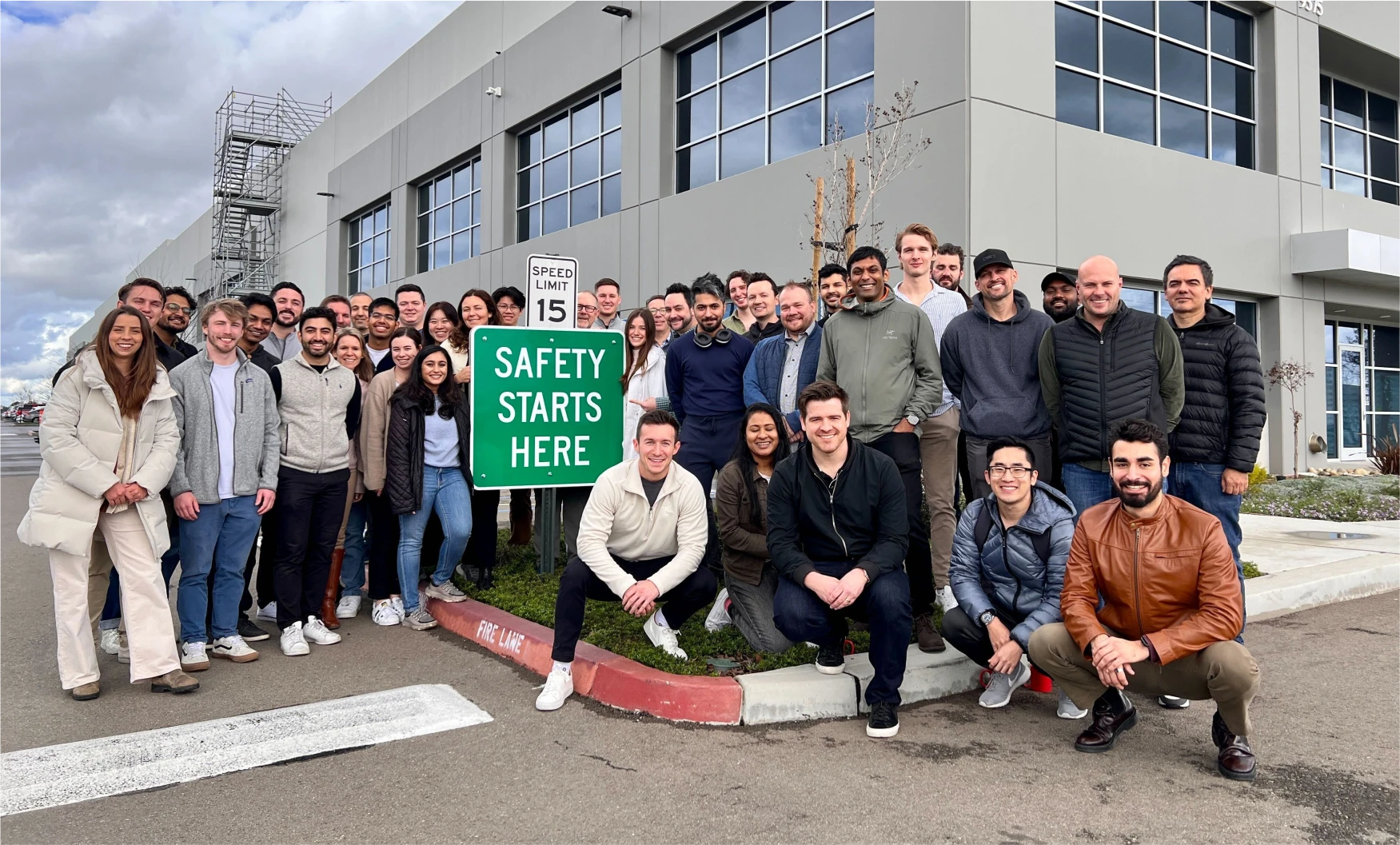
Supporting Safety Across High-Risk Industries
Voxel’s technology is deployed across a range of industries where safety challenges are both acute and persistent. In food and beverage operations, where fast-paced environments and heavy equipment create ongoing hazards, the platform helps identify behaviors that increase injury risk while supporting compliance with strict operational standards. In logistics and supply chain facilities, where congestion and time pressure are common, site intelligence can surface unsafe interactions between people and machinery before accidents occur.
Manufacturing environments benefit from improved visibility into repetitive behaviors that contribute to strain or injury, while ports and customs facilities gain insights across expansive, high-traffic areas that are difficult to monitor manually. By adapting its platform to the unique dynamics of each sector, Voxel demonstrates how AI-driven safety tools can scale across diverse industrial settings.
Where Safety and Operations Intersect ?
Workplace incidents do more than cause harm to employees; they disrupt operations, delay production, and increase costs. Voxel’s approach recognizes that safety and operational performance are closely linked. Unsafe conditions often coincide with inefficiencies, bottlenecks, or process breakdowns that affect productivity.
By providing real-time visibility into how work is actually performed, the platform helps organizations identify opportunities to improve both safety and operational flow. This dual benefit is particularly important for large enterprises that must balance worker protection with demanding performance targets. Voxel’s customers, which include Fortune 500 companies across retail, manufacturing, and logistics, are increasingly using site intelligence not only to reduce incidents but also to inform broader operational decisions that support long-term resilience.
Building a More Preventive Safety Culture
At the core of Voxel’s work is a focus on prevention rather than punishment. The company emphasizes ethical deployment of AI, aiming to create systems that protect workers without creating a culture of surveillance or blame. By framing insights around risk reduction and continuous improvement, Voxel supports a safety culture where employees and leaders share responsibility for identifying and addressing hazards.
As industrial environments continue to evolve and grow more complex, this preventive mindset is becoming essential. Voxel’s platform offers a way for organizations to see risks earlier, respond more effectively, and protect the people who power critical industries. In doing so, it contributes to a broader movement toward safer, more transparent, and more accountable workplaces.
Voxel’s work highlights how AI can be applied responsibly to one of the most overlooked challenges in technology, protecting industrial workers before harm occurs. By focusing on prevention and visibility rather than enforcement, the company shows how safety and operational insight can advance together.