

Can AI Close the Opportunity Gap? How Talenti Is Turning Career Guidance Into a Scalable System?
For many professionals, career growth is assumed to depend on education, experience, and performance. In practice, another factor often matters just as much: access to guidance. Knowing which skills to build, when to switch roles, how to present experience, or even which opportunities exist can determine career outcomes as strongly as capability itself.
This gap becomes especially visible among individuals re-entering the workforce after a career break, a group that includes many parents and caregivers. They may possess experience and qualifications yet struggle to interpret a rapidly changing job market. The problem is rarely a lack of talent. It is a lack of structured direction.
Historically, this guidance came from mentors, professional networks, or career coaches. But these resources are unevenly distributed. Some professionals have access to experienced advisors throughout their careers, while others navigate critical decisions alone. Artificial intelligence is now beginning to enter this space, not as a hiring filter, but as a decision support system for people.
Why Has Career Guidance Always Been Unequal?
Professional advancement has long relied on informal knowledge. Understanding how employers interpret resumes, what competencies are rising in demand, and how to position skills strategically is often learned through conversation rather than formal training.
Those with strong professional networks gain continuous feedback. Those without them rely on trial and error. The result is a structural imbalance where opportunity favors access to insight rather than ability.
Digital job platforms improved job discovery but did not solve this imbalance. They connected candidates with openings but rarely helped individuals understand how to evolve their careers. Many users could apply to hundreds of roles without understanding why they were not progressing. This gap between information availability and interpretation created a new space where intelligent systems could assist not recruiters, but workers themselves.
The Emergence of AI Career Advisors
Recent advances in conversational artificial intelligence have enabled a different type of tool: systems that interpret career context rather than simply search databases. Instead of listing jobs, they analyze experience, identify transferable skills, and suggest development paths. The concept is closer to mentorship than automation. A continuously available advisor can help individuals prepare for interviews, identify training priorities, and evaluate professional decisions over time.
Unlike traditional coaching, these systems can operate persistently and at scale. They do not replace human mentors but make structured guidance accessible to people who previously lacked it. This shift marks a broader transformation in how artificial intelligence is applied. Earlier enterprise tools focused on improving productivity inside organizations. New applications are beginning to influence personal decision-making outside them.
Talenti and the ZOE Career Assistant
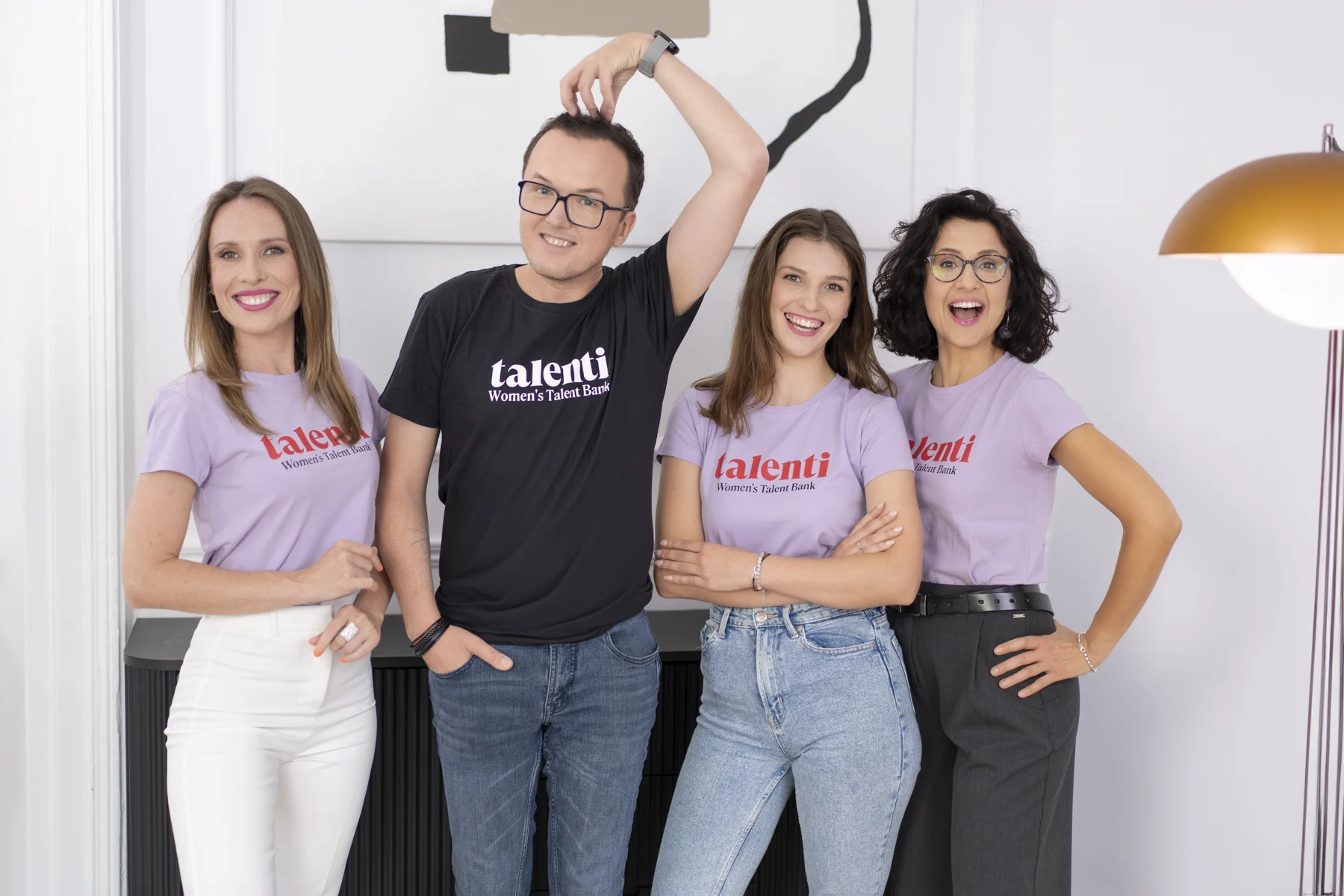
Krakow-based Talenti was created as a digital talent platform designed to support women throughout their professional development, particularly those returning to employment after career interruptions. Rather than acting only as a recruitment marketplace, the platform focuses on helping users understand how to build their career paths.
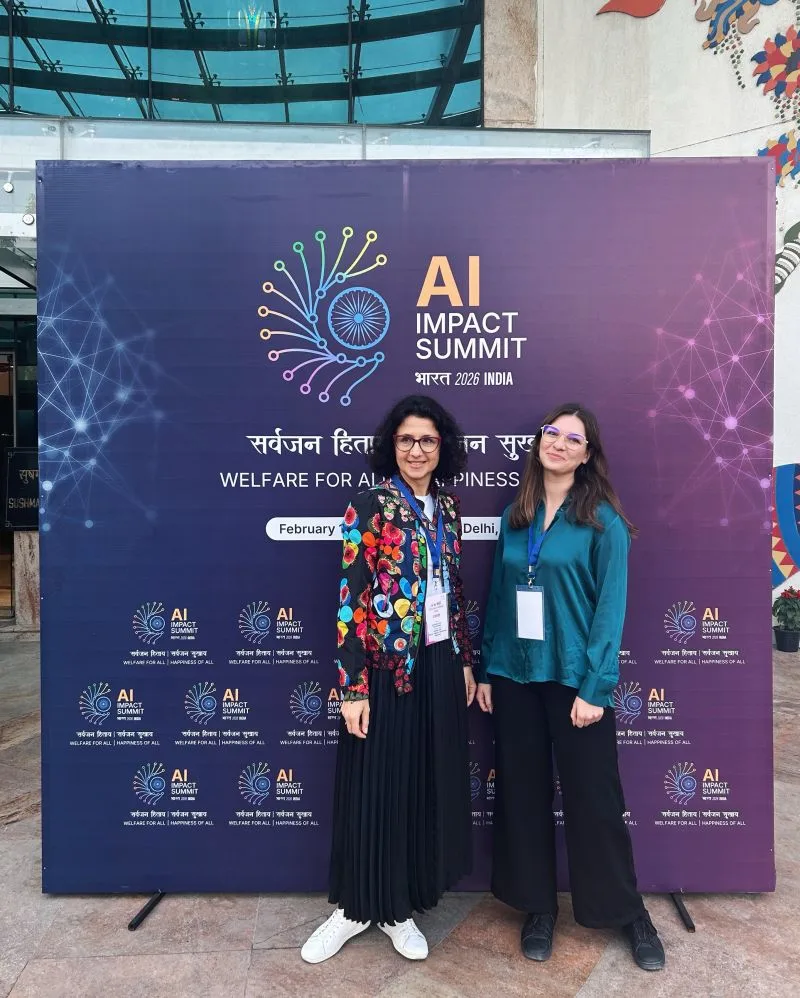
Talenti’s AI-powered assistant, ZOE, operates as a continuous career advisor within the platform. Available at any time, it helps users analyze experience, prepare job search strategies, and receive personalized development guidance.
Instead of generic advice, the system aims to interpret individual context. It can suggest competencies to strengthen, explain changes in labor market expectations, and assist users in presenting their experience more effectively. The objective is not simply placement in a role but sustained career progression.
By positioning AI as a guidance layer rather than a screening mechanism, Talenti approaches workforce technology from the candidate’s perspective. The platform works with employers seeking diverse teams while helping individuals understand how to position themselves within evolving hiring expectations.
Observations From the India AI Impact Summit 2026
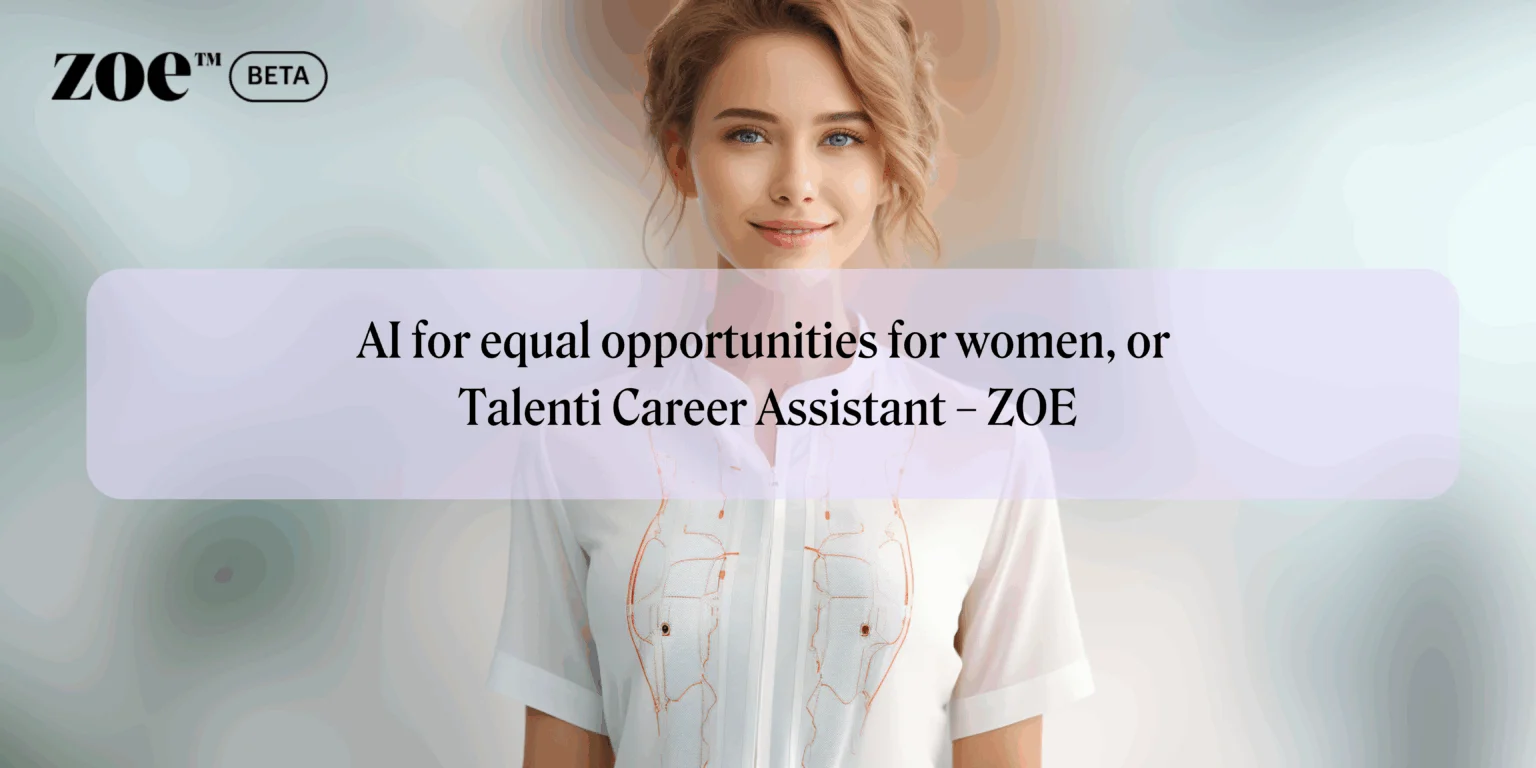
At the India AI Impact Summit 2026 held at Bharat Mandapam in New Delhi, discussions frequently focused on how artificial intelligence could deliver practical social value rather than abstract innovation. Among hundreds of international startups, Talenti stood out for its human-centric application of AI. The Ministry of Electronics and Information Technology personally invited the company to participate, selecting it among the top 30 out of more than 800 startups worldwide. The selection reflected growing institutional interest in technologies that expand access rather than simply automate tasks.
During the event, we interacted with Ms. Paulina Stefaniuk from Talenti, who explained how the platform applies artificial intelligence to empower women navigating career decisions. The emphasis was not on replacing recruiters but on equipping individuals with the information normally gained through mentorship networks. Instead of focusing exclusively on enterprise efficiency, developers are exploring how AI can influence economic participation itself.
A New Role for Artificial Intelligence
Much of the public discussion around AI has centered on job displacement. Yet tools like ZOE illustrate a parallel possibility: technology that helps people access opportunities rather than compete with them. If career guidance becomes continuously available, individuals may make more informed professional decisions earlier. This could reduce mismatches between skills and roles and shorten the time required to re-enter employment after career breaks.
Over time, such systems may function as infrastructure for workforce participation. Just as navigation apps changed how people travel, intelligent career advisors could change how people navigate employment markets. The long-term implication is subtle but significant. Artificial intelligence would not only optimize work once someone is hired but influence who becomes employable in the first place.
Talenti highlights another dimension: accessibility. Guidance has historically been one of the most unevenly distributed resources in professional life. If AI can provide structured career insight to anyone regardless of network or background, it may reshape opportunity itself. The future impact of AI may therefore depend not only on how intelligently machines perform tasks, but on how effectively they help humans find their place within a changing workforce.