

How to Navigate Licensing for Fintech Products in the US?
Understanding the Importance of Licensing for Fintech Products in the United States
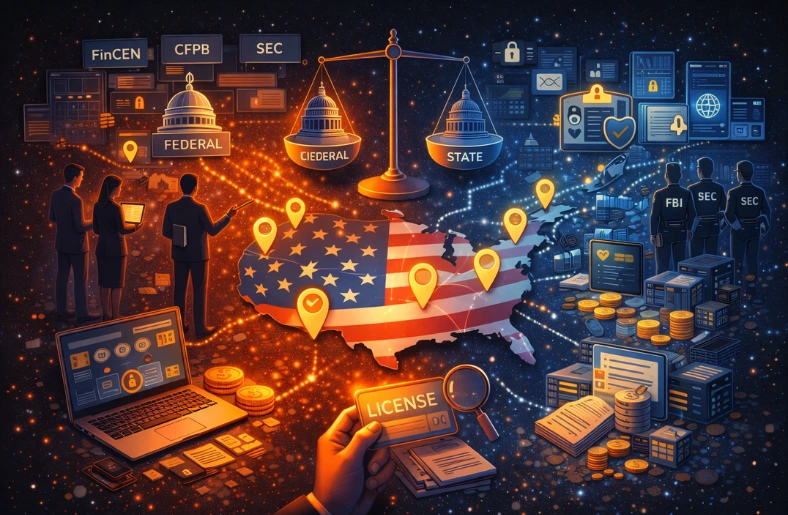
Launching a fintech product in the United States means entering one of the world’s most complex regulatory environments, where licensing is not optional to legal operation and customer trust. Unlike many markets with a single national financial license, the U.S. system blends federal oversight with robust and often divergent state laws. For fintechs, this means navigating multiple licensing regimes at both levels to operate legally, protect consumers, and avoid costly enforcement actions. Across services such as payments, lending, digital wallets, and virtual currency, the need for explicit licensing arises not only from what the product does, but also from where and how it is offered. Understanding this multi-layered licensing landscape is the first crucial step for anyone building or scaling a digital financial product in the U.S.
The Dual Regulatory Architecture: Federal and State Licensing
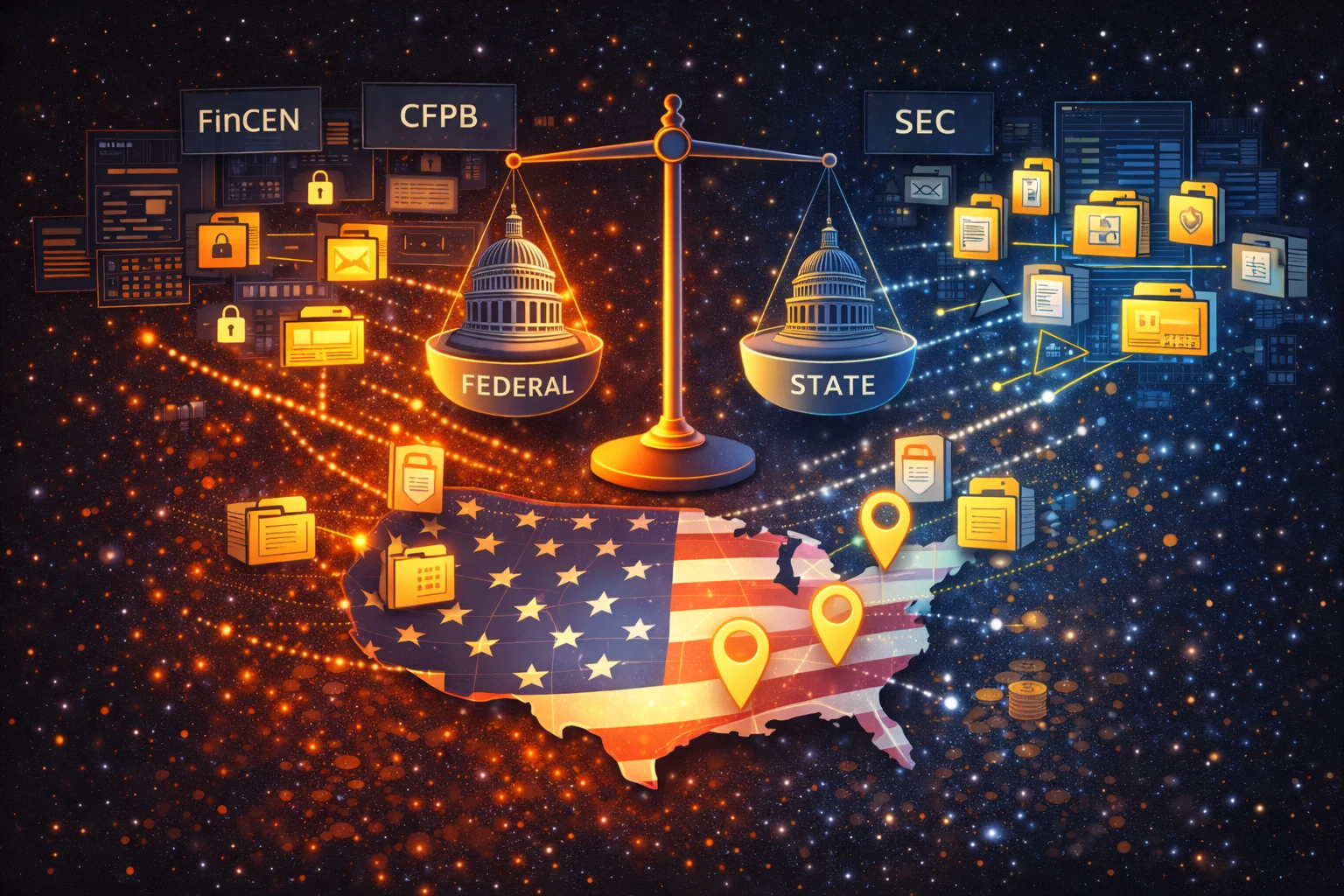
The U.S. financial system is characterized by a dual regulatory architecture, meaning both federal and state authorities hold licensing power, often for overlapping activities. At the federal level, agencies such as the Financial Crimes Enforcement Network (FinCEN), the Consumer Financial Protection Bureau (CFPB), and the Securities and Exchange Commission (SEC) enforce broad financial laws and anti-money laundering rules. At the state level, however, individual regulators implement activity-based licensing regimes that may apply to money transmission, lending, and other fintech services. A company that moves money or offers financial services must therefore consider not just federal registration, but also whether it must secure separate licenses in states where it conducts business. This complexity makes the licensing process one of the first strategic questions for any fintech entering the U.S. market.
Recognizing When Your Fintech Product Triggers Licensing Requirements
Fintech products trigger licensing requirements when they perform regulated financial activities, such as transferring funds, lending, or facilitating investments. For example, if a digital wallet moves funds on behalf of users or a payment platform settles transactions, this typically triggers a money transmitter license (MTL) requirement in many states. Fintechs that extend credit or offer loans may trigger lending licenses. Other services, such as digital asset trading or broker-dealer functions, trigger securities or commodities licensing. Importantly, many of these requirements depend on the type of activity, not the name of the product, so similar products can attract very different licensing obligations depending on their functions. Mapping your product’s actual financial activities is thus essential before beginning any licensing application.
Registering with FinCEN and Establishing AML/KYC Programs
Before applying for state or federal licenses, many fintechs must register with FinCEN as a Money Services Business (MSB) if they perform activities such as money transmission or currency exchange. This federal registration comes with ongoing responsibilities to implement robust Anti-Money Laundering (AML) and Know Your Customer (KYC) programs, including risk assessments, customer identification protocols, and suspicious activity reporting. Even after obtaining state licenses, AML/KYC compliance remains ongoing and subject to examination by regulators. Well-designed AML/KYC frameworks not only fulfill licensing prerequisites but also become part of product design and user onboarding, shaping the way customers interact with fintech applications.
The Central Role of Money Transmitter Licenses
For most fintech companies that deal with payment flows (including digital wallets, remittances, and certain virtual currency services) the money transmitter license (MTL) is one of the most common and time-consuming requirements. Each state defines money transmission differently, meaning that a fintech may need MTLs in multiple jurisdictions if it serves customers across state lines.
Some states, like New York, have highly prescriptive regimes that also govern virtual currency businesses through licenses like the “BitLicense,” or alternative chartering under state banking law. Often, this process requires significant documentation, financial disclosures, background checks, and evidence of compliance programs. Because no national MTL standard exists, many fintechs build licensing roadmaps that sequence state applications based on market priorities and regulatory similarities.
Business Formation and Entity Considerations
Before filing any license applications, fintech founders must consider the legal entity structure and jurisdiction of incorporation. Many choose to form a U.S. corporation or LLC because most licensing authorities require a domestic legal presence and a certificate of good standing from the registering state’s secretary of state. For multi-state licensing, companies often designate a registered agent in each state to receive official correspondence. In some cases, the choice of entity and state of incorporation can influence licensing requirements and the ease of future regulatory filings, particularly for banks, trust companies, or chartered financial institutions.
Preparing Documentation and Financial Requirements
Licensing applications for fintech products often require extensive documentation that demonstrates financial stability, risk management controls, business plans, and compliance programs. For state MTLs, regulators may require audited financial statements, surety bonds, minimum net worth thresholds, and organizational charts. Because states interpret requirements differently, fintechs typically spend substantial time aligning internal controls with regulatory expectations. Preparing a comprehensive licensing packet that addresses federal and state requirements alike reduces delays and signals seriousness to licensing authorities.
Securities and Investment-Related Licensing Obligations
Fintech products that involve investment activities, such as trading digital assets, crypto brokerage, or automated investment advice, may fall under securities or commodities regulations enforced by the SEC or the Commodity Futures Trading Commission (CFTC). These activities can require registration as a broker-dealer, investment adviser, or exchange, with additional state and federal compliance burdens. Understanding which financial activity category your fintech fits (investment vs payment vs lending) early in the product lifecycle is crucial because it shapes the licensing strategy and compliance roadmap.
Managing Multiple State Licenses and Regulatory Coordination
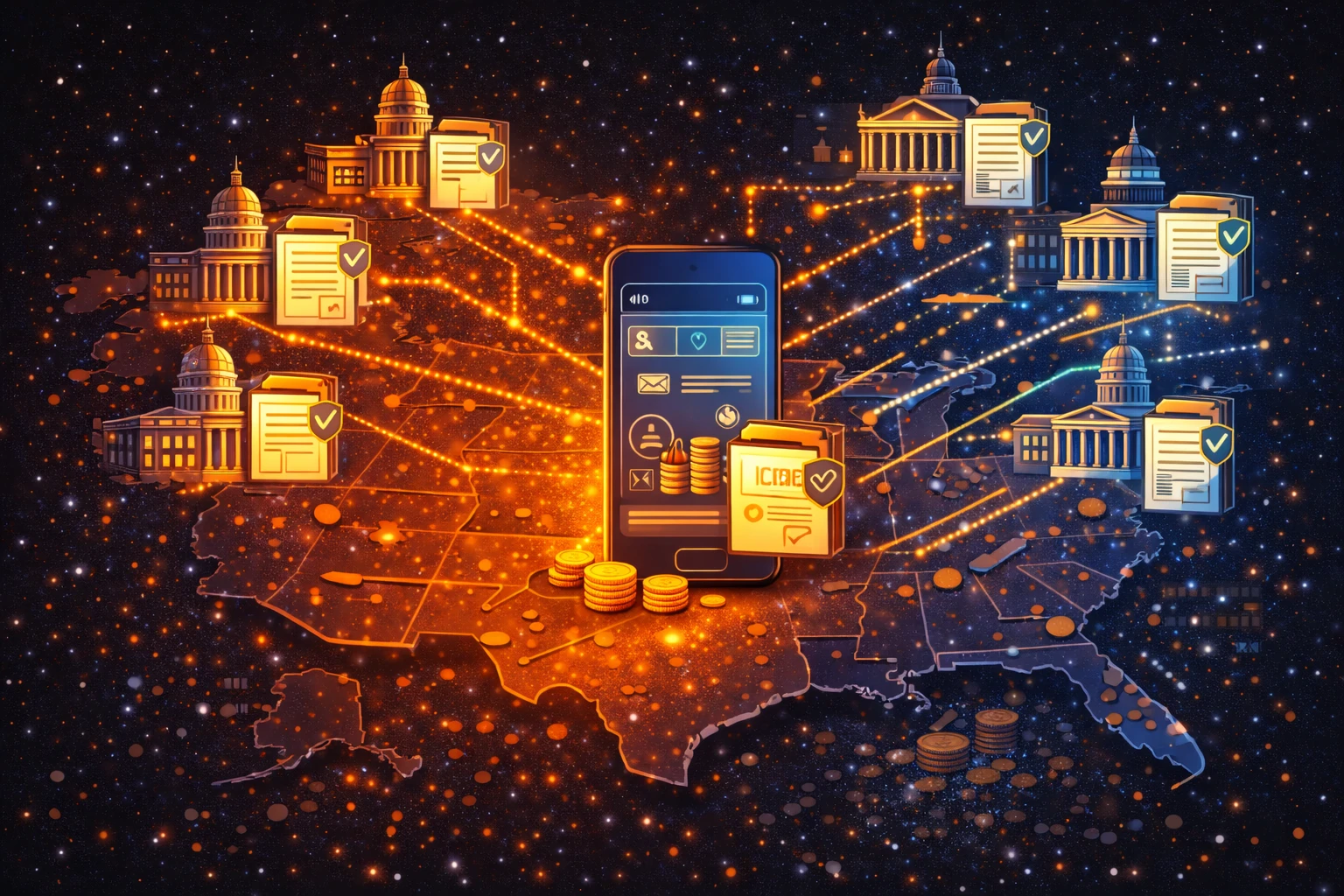
Unlike licensing in many other countries, U.S. fintech licensing is often state-by-state, meaning that a company may need dozens of individual licenses if it plans to operate nationwide. While some states participate in compact agreements to standardize elements of the process, there is no universal reciprocal license that covers all states for core financial activities. For fintechs with national ambitions, this means building a licensing sequence, allocating budget for multiple application fees and bonds, and hiring compliance expertise to coordinate filings across jurisdictions. Many companies begin with a few priority states before scaling coverage.
Practical Strategies for Navigating the Licensing Process
Experienced fintech operators employ practical strategies to manage the complexity of licensing. These include conducting a detailed regulatory assessment to map necessary licenses, timelines, and costs; hiring legal counsel with fintech licensing expertise; and building internal compliance infrastructure early.
Many fintechs also engage third-party compliance services to handle filings, audits, and reporting obligations. This external support can be especially valuable for startups that lack in-house legal teams but need to meet rigorous documentation and procedural standards.
Compliance Beyond Licensing: Ongoing Obligations
Obtaining a license is the beginning of the compliance work. Fintechs must maintain reporting systems, renew licenses annually, report changes in ownership or business structure, and meet AML/KYC expectations continuously. Most licenses require regular reporting, examinations, and updates to compliance programs as laws evolve. Proactive management of these obligations ensures that a fintech product remains legally operational and trusted by users.
What Happens When Licensing Is Overlooked?
History shows that companies ignoring licensing requirements face serious consequences, including fines, product shutdowns, or enforcement actions. Regulatory bodies do not take lightly companies that engage in financial activities without proper authorization. Ensuring that licensing is embedded in the early product roadmap (rather than an afterthought) protects the business and builds long-term credibility in a highly regulated market.
Navigating Licensing Is Foundational to Fintech Success
Licensing for fintech products in the U.S. is intricate because it reflects a market that values consumer protection, risk management, and decentralized regulatory authority. For fintech founders, understanding the interplay between federal registration and state licensing, mapping required licenses based on product activities, and investing in compliance infrastructure early can mean the difference between smooth growth and costly enforcement. Navigating licensing is a core strategic decision that shapes how a fintech product operates, scales, and earns user trust.
Frequently Asked Questions
Do all fintech products require licenses in the US?
Most fintech activities involving payments, lending, investments, or money movement trigger licensing or registration requirements, though specifics depend on product functions.
What is a Money Transmitter License and why is it important?
An MTL allows fintech companies to legally transfer funds on behalf of users and is required in many states for payment related services.
Can fintech companies operate nationwide with one license?
No, most fintechs must obtain separate licenses for each state where they operate.
How long does the licensing process usually take?
Timelines vary but can range from several months to over a year for nationwide coverage.
Is ongoing compliance required after licensing?
Yes, licenses require renewals, reporting, audits, and continuous adherence to regulatory standards.
Why is FinCEN registration necessary?
Registering with FinCEN as an MSB is often mandatory for AML compliance and serves as a federal baseline before state licenses.