

Smart Meter Launches iDigiTemp, a Cellular Thermometer Designed for RPM
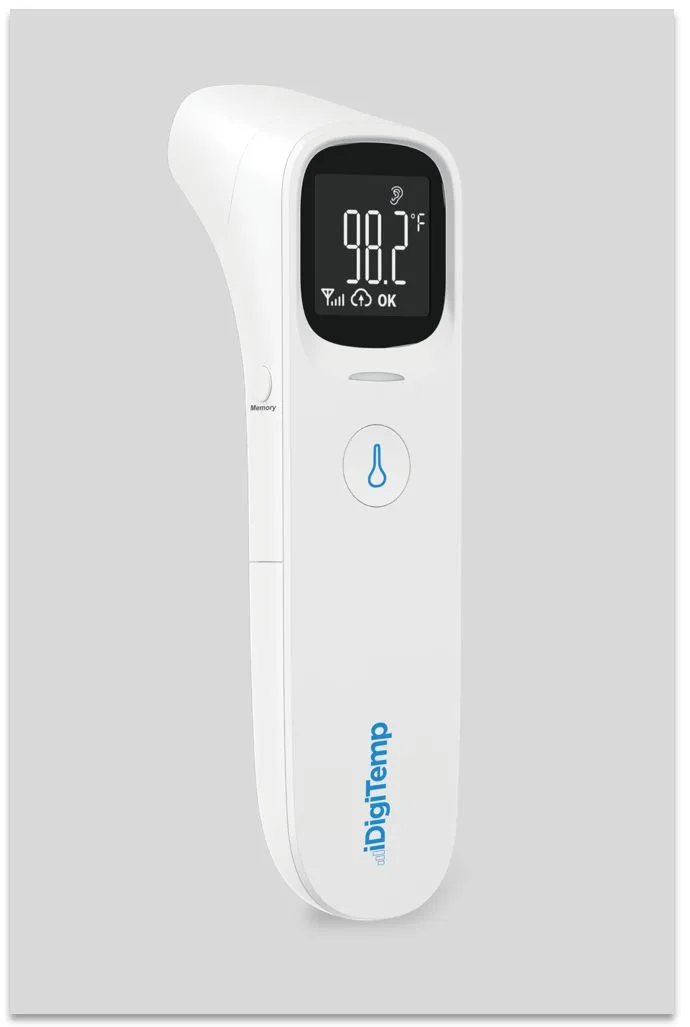
Smart Meter, a leading provider of cellular-enabled remote patient monitoring (RPM) devices and data services, has expanded its connected health portfolio with the launch of iDigiTemp, a handheld thermometer that transmits temperature readings directly to clinicians through secure cellular connectivity.
The new device addresses one of the most persistent barriers in remote care: getting accurate patient data without relying on Bluetooth pairing, Wi-Fi setups, or smartphones. As healthcare providers scale RPM, chronic care management, and hospital-at-home programs, frictionless data capture is increasingly essential to maintaining patient engagement, particularly among older adults and populations with limited digital literacy.
Temperature as a Core Vital Sign in Chronic, Post-Acute, and Infectious Care
Temperature is one of the most fundamental clinical indicators, yet it is often overlooked in remote monitoring programs that primarily focus on glucose, weight, or blood pressure. Persistent fever or temperature spikes can be early warning signs of infection, treatment complications, post-surgical issues, or disease progression.
In value-based care environments, identifying deterioration early can prevent emergency visits and avoidable readmissions. By integrating temperature into automated RPM workflows, iDigiTemp allows clinicians to spot these trends in near-real time rather than relying on self-reported metrics that may be delayed, inaccurate, or completely missing from charts.
Cellular Connectivity Eliminates the Common Failures of Home Monitoring
Unlike traditional digital thermometers that require users to manually transcribe results or connect through Bluetooth and mobile apps, iDigiTemp contains built-in cellular connectivity. Readings are transmitted instantly to Smart Meter’s cloud infrastructure and RPM portals already used by more than 300 program providers in the United States. This approach removes technological pain points that have historically caused drop-off, data gaps, and incorrect reporting, especially among elderly patients or those managing multiple chronic conditions.
The design of iDigiTemp reinforces Smart Meter’s philosophy that the simplest user experience is often the most powerful enabler of clinical accuracy.
Extending an Established Suite of Cellular Remote Monitoring Devices
The launch of iDigiTemp builds upon Smart Meter’s established portfolio of cellular devices including iGlucose, iBloodPressure, iBloodPressure 2.0, and iScale. Together with Smart Meter’s data platform and integrations, these devices form an ecosystem designed specifically for clinically managed RPM programs rather than consumer wellness tracking.
With high patient retention rates, automated transmission of readings, and national cellular coverage, the company has positioned itself as one of the reference providers for remote monitoring infrastructure supporting telehealth, population health initiatives, employer wellness, and chronic care management services.
Benefits for Providers, Payers, and Telehealth Programs
For physician groups, hospitals, and virtual care companies, cellular RPM devices such as iDigiTemp offer immediate operational advantages. They reduce onboarding complexity, minimize support requirements, and provide clinically trustworthy data streams that feed directly into care-management platforms.
For payers and risk-bearing entities, earlier detection of fever and infection means lower readmission risk, fewer complications, and improved quality metrics tied to reimbursement. The device also aligns with broader U.S. healthcare priorities including shifting care to the home, improving access for rural or digitally underserved patients, and supporting the monitoring of vulnerable or high-risk populations.
Smart Meter’s Broader Strategy in Connected Healthcare
Smart Meter’s introduction of iDigiTemp is consistent with its long-term goal to provide the infrastructure layer for remote patient monitoring through cellular-enabled medical devices, secure cloud platforms, and analytics. The company emphasizes that reliable data, seamless device usability, and integration with clinical workflows are essential for sustainable RPM growth.
As remote monitoring continues to evolve from pilot programs into mainstream care delivery, Smart Meter is positioning its portfolio to support not just data collection, but continuous, proactive care models that depend on timely and accurate patient information.
Many RPM tools promise simplicity, but depend heavily on apps and Bluetooth connectivity that fail patients in real-world settings. Smart Meter’s commitment to fully cellular devices reflects a pragmatic understanding of who actually uses remote monitoring. If adoption of cellular-first devices accelerates, RPM may finally move from promising concept to reliable clinical standard.