

Pasito AI Platform Transforms Employee Benefits Into Usable Guidance
Employee benefits were originally designed to provide security. Over time, however, they have evolved into one of the most administratively complex systems in modern employment. Health plans, retirement programs, voluntary insurance options, and compliance requirements are documented in dense policy language that few employees fully understand. Human resource teams and brokers spend significant time translating these documents into explanations, comparisons, and enrollment guidance. This manual interpretation process has become a hidden operational layer across companies. Addressing this challenge is Pasito, which is developing AI agents that transform beneficial information into structured, usable intelligence.
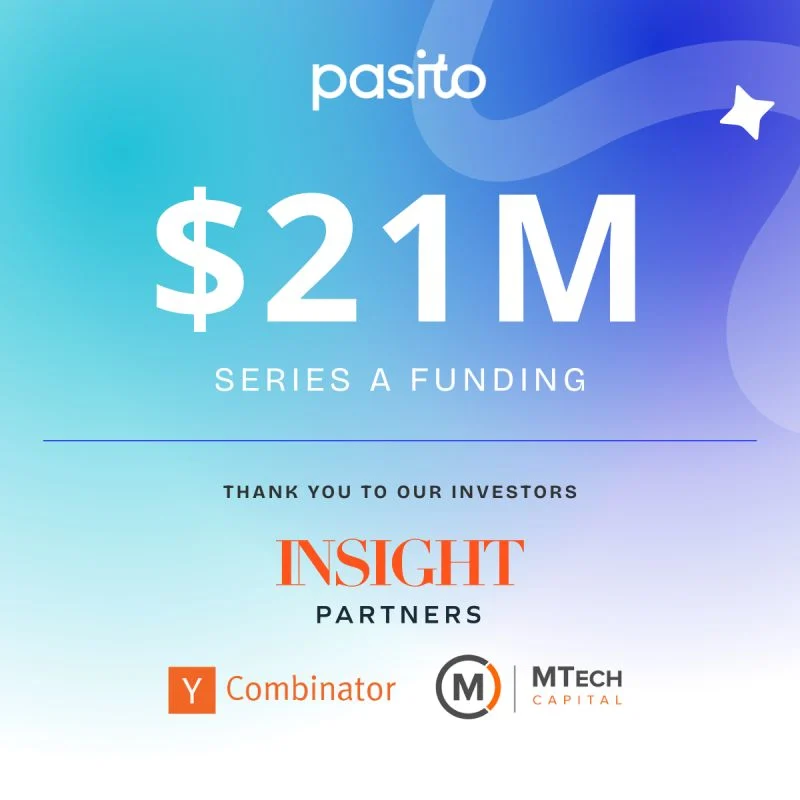
Instead of treating benefits as documents to be stored and referenced, Pasito treats them as data to be interpreted continuously. The company’s platform ingests plan documents and employee census information, builds a structured knowledge layer, and then deploys AI agents that manage communication, decision support, and operational workflows throughout the year. While the company recently announced a $21 million Series A round led by Insight Partners with participation from MTech Capital and Y Combinator, the broader significance lies in how it reframes benefits administration from paperwork management into software-driven operations.
Why Do Employee Benefits Remain Operationally Inefficient?
Benefits programs sit at the intersection of legal compliance, financial planning, and personal healthcare decisions. Each plan contains eligibility conditions, coverage limitations, and cost structures that vary across employee groups. Although the information exists, its format is often inaccessible to non-specialists.
As a result, employers and brokers act as translators. They create guides, comparison sheets, reminder campaigns, and individual explanations. Employees frequently rely on meetings or email exchanges to clarify basic questions such as deductibles, coverage tiers, or contribution levels. This interpretation layer creates recurring manual work. It also introduces inconsistency, since explanations depend on who provides them and when. More importantly, employees may still make suboptimal decisions simply because they cannot easily interpret the information presented to them.
From Documents to Structured Benefits Intelligence
Pasito’s core technical approach begins with understanding benefits information at a structural level rather than summarizing text. Its system reads plan documentation and extracts relationships between coverage rules, eligibility conditions, and cost structures. It also incorporates employee census data to personalize relevance.
The output is not a shorter document but a dynamic knowledge base. This allows software to generate comparisons, highlight key differences between plans, and tailor guidance to individual circumstances automatically. By converting benefits into structured intelligence, the platform removes the need for repeated manual interpretation. Instead of rewriting explanations each enrollment cycle, organizations can rely on continuously generated guidance.
AI Agents That Execute Benefits Workflows
On top of this structured knowledge layer, Pasito deploys engagement agents designed to perform operational tasks across the benefits lifecycle. These agents support plan comparisons, enrollment communications, reminder notifications, compliance checks, and documentation audits.
They also generate highlight sheets, microsites, and educational materials directly from the underlying data. Rather than static templates updated each year, communications adapt automatically to plan changes and user context.
This shifts the role of HR teams and brokers away from repetitive administrative tasks toward advisory functions. Instead of producing information manually, they can focus on helping employees interpret recommendations.
Moving Beyond Annual Enrollment Cycles
Traditionally, employee benefits engagement occurs during a short annual enrollment window. Outside that period, interaction declines until the next cycle begins.
Pasito’s system operates continuously. Employees can access explanations, receive reminders, and review options throughout the year. Claims-related guidance and eligibility updates also occur in real time rather than waiting for scheduled communication campaigns.
This continuous interaction model aligns benefits with real life events such as job changes, family additions, or healthcare decisions. Instead of being a once-per-year administrative exercise, benefits become an ongoing service.

Operational Impact Across the Insurance Ecosystem
The administrative burden of benefits affects multiple stakeholders. Carriers manage documentation complexity, brokers coordinate explanations, and employers handle employee support requests. Each layer duplicates effort interpreting the same information.
By centralizing interpretation into a shared intelligence layer, the platform reduces redundant workflows. Carriers can distribute plans in structured form, brokers can guide decisions without recreating materials, and employers can provide consistent support at scale. For employees, the experience changes from searching through documents to receiving contextual guidance. The emphasis moves from finding information to understanding choices.
Administrative Systems Becoming Machine-Readable
The broader significance of this approach extends beyond benefits administration. Many workplace processes rely on documents designed for compliance rather than usability. When systems interpret these documents directly, software can begin to participate in decision support rather than merely storing records.
In this context, Pasito illustrates a transition from digitizing paperwork to operationalizing knowledge. Instead of replicating manual processes digitally, the platform restructures information so machines can reason about it.
As enterprise software evolves, similar transformations may occur across other document-heavy industries where interpretation currently consumes significant human effort.
Pasito represents a shift from storing workplace information to operationalizing it. Benefits programs have long existed in documentation rather than experience, requiring human translation at every step. By structuring policy information so software can interpret and act on it, the platform points toward enterprise systems that reduce administrative friction rather than merely digitize it. The broader implication is that many complex workplace processes may gradually transition from document management to continuous guidance.