

Last Energy Closes Oversubscribed $100M Series C to Scale Micro Modular Nuclear Power
Last Energy has closed an oversubscribed $100 million Series C funding round, marking a major milestone in its effort to scale micro modular nuclear power plants in the United States and internationally. The round was led by Astera Institute, with participation from JAM Fund, Gigafund, The Haskell Company, AE Ventures, Ultranative, Galaxy Interactive, and Woori Technology Investment Co., Ltd (WTIC).
The financing reflects growing investor confidence in nuclear energy’s role in meeting rising global electricity demand while reducing carbon emissions. For Last Energy, the funding provides the capital required to move beyond concept and into execution, fully funding its participation in the U.S. Department of Energy’s Reactor Pilot Program and supporting the next phase of reactor development and commercialization.
Why is Nuclear Returning to the Energy Transition Conversation ?
Global energy systems are under increasing strain. Electrification, industrial reshoring, and the rapid growth of data centers (particularly those supporting AI workloads) are driving demand for reliable, round-the-clock power. While renewable energy has expanded quickly, intermittency and grid constraints continue to limit its ability to provide consistent baseload electricity on its own.
Nuclear energy, long sidelined due to cost overruns and extended construction timelines, is now being reconsidered as a complementary solution. Last Energy’s approach focuses on micro modular reactors designed to reduce both time and cost, addressing the structural challenges that have historically slowed nuclear deployment. This renewed interest is driven by practical constraints facing modern power grids.
A Modular Strategy Designed to Reduce Time and Cost
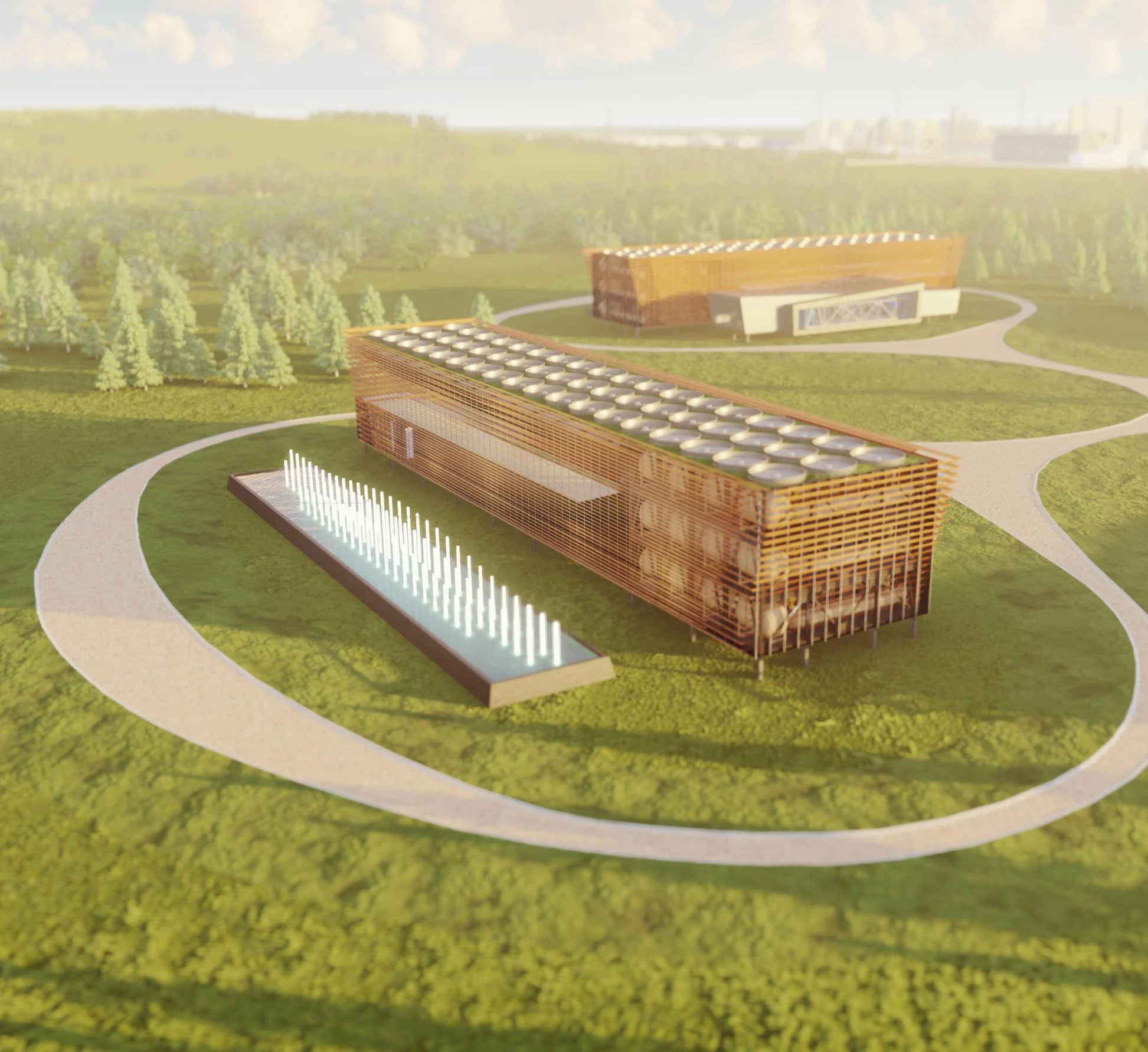
At the center of Last Energy’s strategy is standardisation. The company develops pressurised water reactor designs, including its PWR-5 pilot reactor and the larger PWR-20 commercial system, with the goal of simplifying construction and accelerating deployment. Rather than custom-built facilities that take a decade or more to complete, Last Energy’s micro modular plants are designed to be factory-produced and assembled on site.
This approach aims to reduce construction risk, improve predictability, and enable repeatable deployment across multiple locations. As a full-service developer, Last Energy oversees the entire lifecycle (from design and construction to ownership and operation) allowing tighter control over timelines, costs, and performance.
The Series C funding supports continued progress on the PWR-5 pilot and advances preparations for PWR-20 commercialisation.
Regulatory Progress as a Competitive Advantage
One of the most significant barriers to nuclear development has historically been regulatory uncertainty. Last Energy has made notable progress through both U.S. and UK government pathways, including its involvement in the DOE Reactor Pilot Program. This initiative is intended to accelerate the demonstration and deployment of advanced reactor technologies by reducing early-stage risk.
The company’s Series C funding fully supports its DOE pilot project and positions it for an anticipated criticality demonstration in 2026. Regulatory engagement is treated as a core component of Last Energy’s deployment strategy. By aligning technology development with regulatory requirements early, the company aims to shorten the path from pilot to commercial operation which is a key differentiator in a sector where delays can be costly.
Strengthening U.S. Presence While Preparing for Global Delivery
The new capital also enables Last Energy to strengthen its operational footprint in Texas, a state with rapidly growing power demand and an independent grid facing increasing reliability challenges. Texas has emerged as a focal point for energy innovation, driven by industrial expansion and population growth.
Beyond the United States, Last Energy is preparing for international power delivery, supported by what it describes as one of the industry’s largest commercial microreactor pipelines. This international outlook reflects the global nature of the energy challenge. Many regions require clean, reliable power but lack the infrastructure or timelines associated with traditional nuclear projects.
Micro modular reactors, if successfully deployed, could offer a scalable option for countries seeking to decarbonize without compromising energy security.
Building Toward Scalable, Clean Baseload Power
Last Energy’s mission is to decarbonize global energy production while expanding access to affordable electricity. Nuclear power remains one of the few proven sources of zero-carbon baseload energy capable of operating independently of weather conditions. The company’s progress highlights a broader shift in how nuclear is being approached, as an infrastructure system that can be replicated and scaled. With its Series C funding secured, regulatory momentum underway, and pilot milestones ahead, Last Energy is entering a critical phase where execution will determine its long-term impact.
As governments and utilities confront the limits of existing energy systems, the success or failure of modular nuclear strategies like Last Energy’s will play an important role in shaping the future energy mix. Last Energy’s progress underscores a pragmatic shift in energy strategy, meeting rising demand will require clean baseload power that can be deployed faster and more predictably.