

How APIs Like ROOK Are Unifying Wearable Health Data Across 300+ Devices?
The Fragmentation Problem in Wearable Health Data
The rapid adoption of wearable devices has transformed how individuals track health metrics such as heart rate, sleep patterns, activity levels, and recovery. From smartwatches to fitness bands, these devices generate vast amounts of personal health data.
However, this growth has also created a fragmentation problem. Each device manufacturer typically operates within its own ecosystem, making it difficult for developers and organizations to access and unify data across multiple platforms. Integrating with different wearable providers often requires separate APIs, varying data formats, and ongoing maintenance.
This fragmentation limits the ability of companies to build comprehensive health applications and derive meaningful insights from aggregated data.
ROOK’s Approach to Wearable Data Integration
Rook is developing an API platform designed to address this challenge by providing a single integration point for wearable and health data. The platform enables companies to access and process data from hundreds of wearable devices through a unified interface.
By simplifying integration, Rook allows developers to focus on building applications rather than managing multiple data connections. The platform aggregates data from different sources and standardizes it, making it easier to analyze and use across various use cases.
Rook positions itself as a bridge between wearable ecosystems and digital health applications, enabling organizations to work with diverse data sources more efficiently.
How the ROOK Wearable API Works?
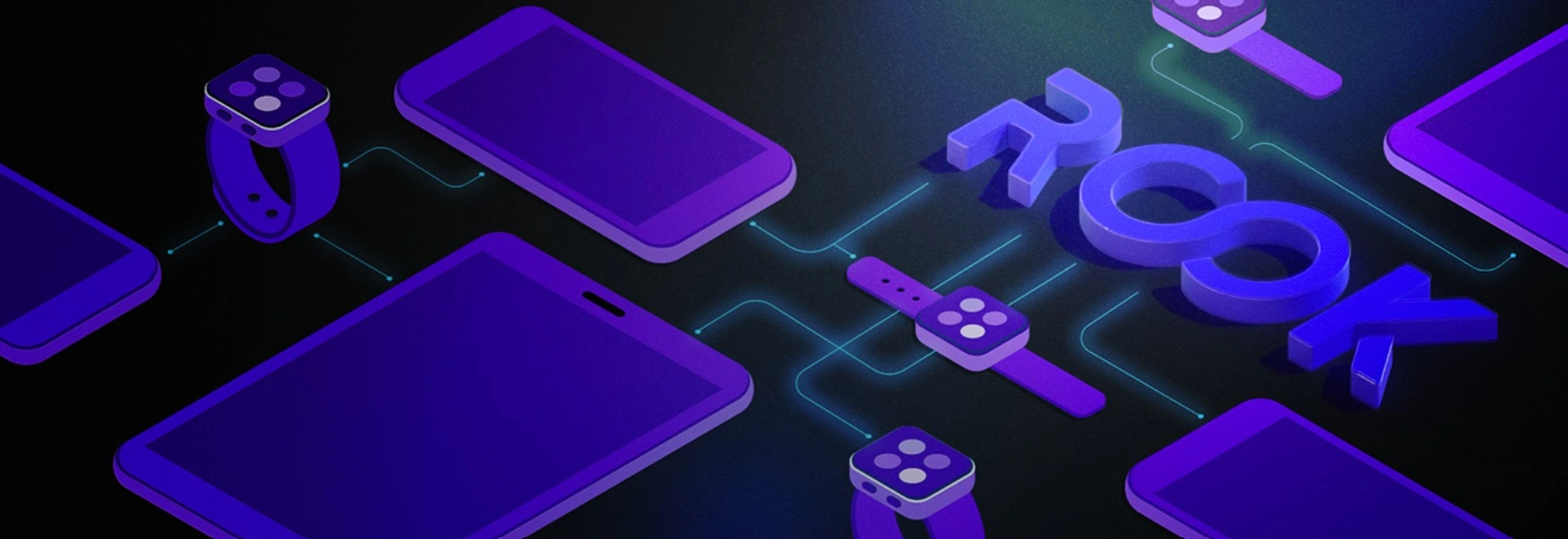
Rook’s wearable API and SDK provide tools for integrating health data into applications and software platforms. Through a single API connection, developers can access data from a wide range of devices without needing to build individual integrations. The platform includes features such as data extraction, normalization, and enrichment. This allows raw data from wearables to be transformed into structured and usable information.
Rook also offers additional components such as the Rook Extraction App, which facilitates data collection, and the Rook Score, a metric designed to provide insights into user health and performance. By combining these capabilities, the platform aims to deliver not just data access but actionable insights that can support decision-making in health and wellness applications.
Enabling Digital Health and Fitness Applications
The ability to integrate wearable data at scale has significant implications for digital health, fitness, and wellness platforms. Applications can use this data to provide personalized recommendations, track progress, and improve user engagement.
Healthcare providers and wellness companies can leverage aggregated data to monitor trends, identify patterns, and support preventive care initiatives. Fitness platforms can enhance user experiences by offering more detailed insights into performance and recovery. By making data integration more accessible, platforms like Rook enable a broader range of organizations to incorporate wearable data into their services.
From Data Collection to Actionable Insights
Access to data alone is not sufficient; the value lies in the ability to interpret and act on it. Rook’s platform focuses on transforming raw data into insights that can be used to inform decisions.
This includes analyzing patterns in health metrics, identifying trends over time, and providing metrics that summarize complex data. By doing so, the platform helps organizations move from data collection to actionable intelligence. The emphasis on actionable insights reflects a broader trend in digital health, where the goal is not just to track data but to use it to improve outcomes.

The Growing Importance of Health Data Interoperability
As the number of wearable devices continues to grow, interoperability is becoming a key requirement for digital health ecosystems. Users often rely on multiple devices and platforms, creating a need for systems that can integrate and unify data.
APIs that enable interoperability play a critical role in this ecosystem by connecting different data sources and enabling seamless data exchange. Rook’s approach highlights the importance of building infrastructure that supports interoperability, allowing organizations to create more comprehensive and connected health solutions.
The Future of Wearable Data Platforms
The evolution of wearable technology is driving demand for platforms that can manage and interpret health data at scale. As devices become more advanced, the volume and complexity of data will continue to increase. Platforms that can unify data, provide insights, and support application development are likely to play a central role in this ecosystem. By simplifying integration and enabling actionable insights, companies like Rook contribute to the development of more effective digital health solutions.
As the industry evolves, the ability to connect data across devices and platforms will be essential for unlocking the full potential of wearable technology. Platforms that unify wearable health data and transform it into actionable insights could play a significant role in advancing digital health, particularly as interoperability becomes a critical factor in delivering meaningful and scalable healthcare solutions.