


Sensofusion: Passive Defense Systems for the Drone Age
The New Reality of Airspace: Small Drones, Big Problems
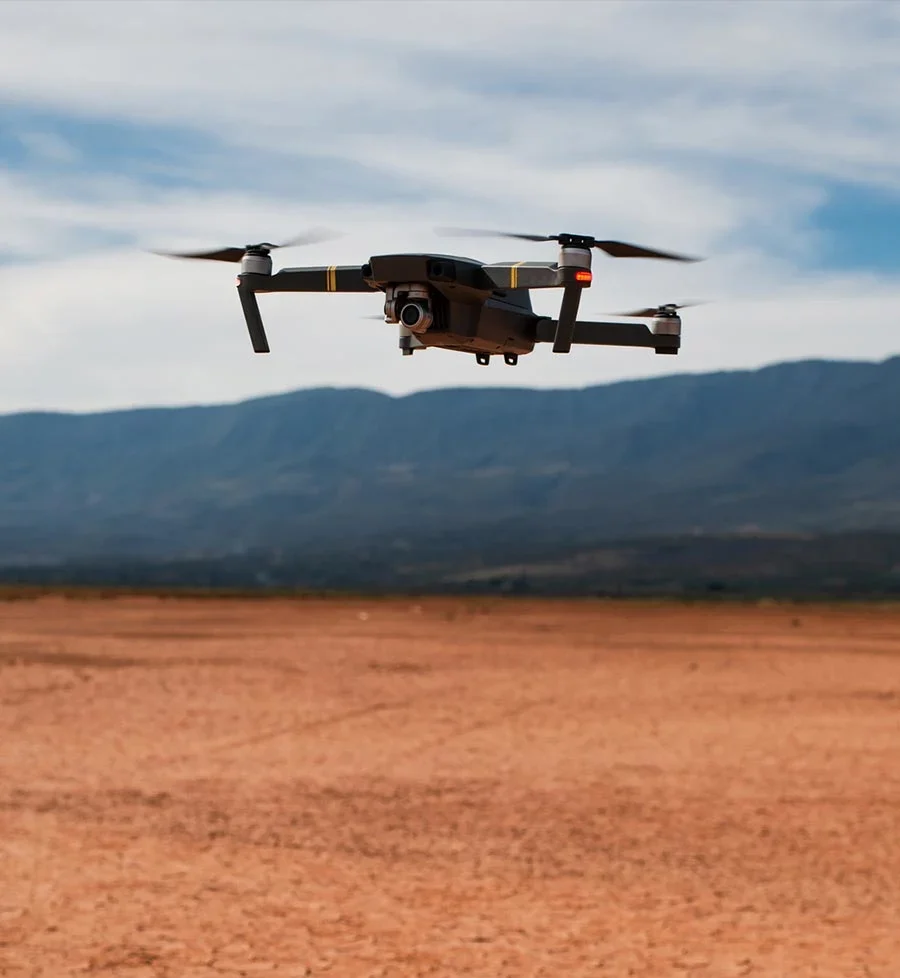
Airspace is no longer dominated by large aircraft and high-altitude threats. Over the past decade, small drones have introduced a new category of risk that is inexpensive, widely accessible, and difficult to control. These systems are now used across military operations, border surveillance, critical infrastructure monitoring, and increasingly in asymmetric conflicts.
What makes drones particularly challenging is their scale and unpredictability. They can fly low, evade traditional radar systems, and operate in swarms. A device that costs a few hundred dollars can disrupt operations, gather intelligence, or pose a direct threat to personnel and assets.
Modern airspace threats are smaller, cheaper, and harder to detect. This shift has forced defense and security organizations to rethink how they monitor and secure the skies, especially in environments where traditional systems were not designed to operate.
Why Does Traditional Air Defense Systems Fall Short
Conventional air defense systems were built for a different era. Radar and active detection technologies are highly effective against large, fast-moving targets such as aircraft and missiles, but they struggle with small, low-signature drones operating close to the ground. These systems also rely on active emissions. They send out signals and analyze reflections to detect objects in the air. While this approach has been the backbone of air defense for decades, it introduces a critical limitation in modern conflict environments.
In contested scenarios, emitting signals can expose the location of the system itself. This creates a vulnerability, particularly when adversaries are equipped with electronic warfare capabilities. The very act of detection can become a risk. In contested environments, emitting signals can be a liability. This has driven interest in alternative approaches that can detect threats without revealing their presence.
Inside Sensofusion: Passive Detection and AIRFENCE
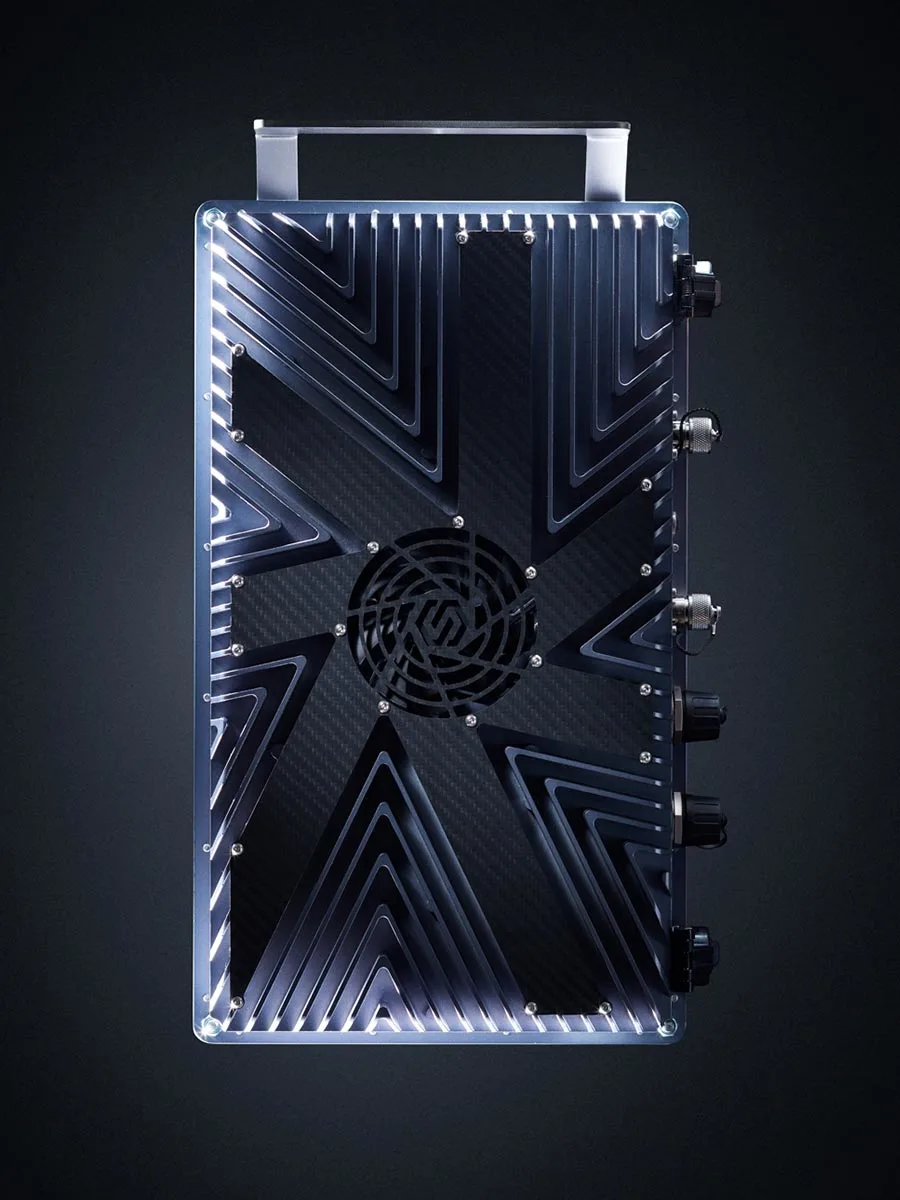
Sensofusion, a Helsinki-based defense technology company, has built its approach around this principle. Its flagship platform, AIRFENCE, focuses on passive detection of drones by analyzing radio frequency signals rather than emitting them. Instead of sending out signals, the system listens. It captures and interprets the communication between drones and their controllers, identifying their presence, location, and behavior without actively broadcasting any signals of its own. This makes the system harder to detect and more suitable for sensitive or high-risk environments.
The design reflects a combination of hardware and software capabilities. Sensors deployed in the field collect signal data, which is then processed using AI-driven models to classify and track drones. This allows operators to build a real-time picture of the airspace without relying on traditional radar. Passive detection changes the balance between visibility and survivability. By reducing the system’s own electromagnetic footprint, it can operate more discreetly while still providing actionable intelligence.
From Counter-Drone to Signal Intelligence
While counter-drone capabilities are at the center of Sensofusion’s offering, the underlying technology extends into a broader domain: signal intelligence. The ability to monitor and interpret radio frequency activity provides insights beyond the presence of drones alone. This capability can support a range of applications, from identifying communication patterns to understanding how different devices interact within a given environment. In military contexts, this can contribute to situational awareness and operational planning.
The company’s expansion into air-to-ground surveillance, following its acquisition of Atol Aviation, reflects this broader ambition. By integrating aerial and ground-based perspectives, Sensofusion is positioning itself within a more comprehensive intelligence framework. This shift indicates that counter-drone systems are becoming part of a larger ecosystem of tools designed to understand and manage complex environments where multiple signals and devices coexist.
What This Means for Modern Defense Strategy
The emergence of passive detection systems highlights a broader change in defense strategy. As technology evolves, the focus is moving toward systems that can operate effectively without drawing attention to themselves. This is particularly relevant in environments where electronic warfare and signal detection are integral to operations. Systems that minimize their own emissions can reduce risk while maintaining effectiveness, offering a different balance between capability and exposure.
For defense organizations, this requires a reassessment of existing approaches. Integrating passive systems alongside traditional tools can create a more resilient and adaptable defense posture, capable of addressing a wider range of threats. The challenge lies in combining these capabilities in a way that provides comprehensive coverage without introducing new vulnerabilities. As threats continue to evolve, the ability to adapt quickly will remain a key factor in maintaining security.
Sensofusion Secures €45 Million to Expand Capabilities
Sensofusion has also recently secured €45 million in funding to support the development and expansion of its technology. The investment is aimed at scaling its AIRFENCE platform, advancing its signal intelligence capabilities, and supporting its recent acquisition of Atol Aviation.
This funding reflects increasing demand for solutions that address the complexities of modern airspace. As drone usage continues to grow, both in military and civilian contexts, the need for effective and adaptable countermeasures is becoming more pronounced. The company’s focus on passive detection and integrated intelligence positions it within a segment of the defense market that is gaining strategic importance.
The Future of Airspace Security
Airspace security is entering a phase where visibility and invisibility must be carefully balanced. Systems need to detect and respond to threats without becoming targets themselves, particularly in environments where every signal can be monitored. The development of passive detection technologies represents one direction in this evolution. By focusing on listening rather than broadcasting, these systems align with the realities of modern conflict and security operations.
As drone technology continues to advance and proliferate, the tools used to manage airspace will need to evolve alongside it. The ability to understand and interpret signals, rather than simply detect objects, may become a defining feature of next-generation defense systems. The rise of companies like Sensofusion reflects a shift toward more adaptive and discreet defense technologies, where managing information and minimizing exposure are becoming as important as traditional detection capabilities.