

What Makes Sona a New Standard for AI Workforce Management?
The Complexity Behind Frontline Workforce Management
Workforce management in frontline industries has always been operationally demanding. Businesses in sectors such as hospitality, retail, logistics, and healthcare must coordinate large, distributed teams while balancing fluctuating demand, labor costs, compliance requirements, and employee preferences.
Unlike office-based environments, frontline operations are dynamic. Staffing needs change daily, sometimes hourly, based on footfall, seasonality, and external factors. Managers are often required to make quick decisions with incomplete information, relying on experience rather than real-time data.
Over time, this has led to fragmented systems. Scheduling tools, payroll systems, HR platforms, and communication channels often operate in isolation, creating inefficiencies and limiting visibility. The result is a process that is both time-consuming and prone to errors, affecting not only operational performance but also employee satisfaction.
Why Traditional Scheduling Tools Fall Short?
Most workforce management systems were designed to digitize existing processes rather than rethink them. They replaced spreadsheets and manual tracking but retained the same underlying limitations.
Scheduling, for example, is often treated as a static task. Managers create shifts based on historical patterns, with limited ability to adapt in real time. Forecasting is either simplistic or disconnected from actual business drivers, leading to overstaffing or understaffing.
At the same time, employee experience has become a growing concern. Frontline workers expect the same level of usability and flexibility they experience in consumer apps, but many enterprise tools remain complex and unintuitive. This gap between operational needs and system capabilities has created an opportunity for platforms that can combine usability with intelligence.
Inside Sona: A Unified Platform for Workforce Operations
Sona, a London-based company, approaches workforce management as an integrated system rather than a set of separate tools. Its platform combines scheduling, time and attendance, HR, payroll, and recruitment into a single environment, designed specifically for frontline operations.
This integration allows data to flow across functions. Scheduling decisions can be informed by payroll constraints, HR policies, and real-time attendance data. Managers gain a more complete view of their workforce, enabling more coordinated decision-making.
The platform also emphasizes usability. By adopting a design approach closer to consumer applications, Sona aims to reduce the friction associated with traditional enterprise software. This is particularly important in frontline environments, where time and simplicity are critical.
From Scheduling to Real-Time Decision Making
A key aspect of Sona’s platform is its use of AI to move beyond static scheduling. Forecasting tools analyze demand patterns and operational data to predict staffing needs, allowing businesses to align their workforce more closely with actual requirements. This capability extends into real-time adjustments. As conditions change, whether due to unexpected demand or employee availability, the system can provide recommendations to managers, helping them respond more effectively.
The inclusion of an AI assistant, Raffy, further supports this process. It acts as an interface for interacting with the system, enabling users to access insights, manage tasks, and make adjustments without navigating complex workflows. This shift from manual planning to data-informed decision-making reflects a broader trend in enterprise software, where intelligence is embedded directly into operational processes.
Improving Both Efficiency and Employee Experience
Workforce management is not only about optimizing operations but also about supporting employees. High turnover and disengagement are persistent challenges in frontline industries, often linked to scheduling practices and lack of flexibility. Sona’s platform addresses this by giving employees more visibility and control. Through its mobile app, workers can view schedules, request changes, swap shifts, and access relevant information in real time.
For employers, this can lead to better retention and higher satisfaction. When employees feel that their preferences are considered and that systems are easy to use, engagement tends to improve. At the same time, automation reduces the administrative burden on managers, allowing them to focus on more strategic aspects of their roles.
Industry-Specific Applications and Flexibility
Different industries have distinct workforce management requirements, and Sona’s platform is designed to accommodate these variations. In hospitality, for example, demand can fluctuate based on time of day and events. In logistics, shift patterns may be influenced by delivery schedules and operational constraints.
By offering tailored solutions for sectors such as retail, care, hotels, and logistics, Sona enables businesses to adapt the platform to their specific needs. This flexibility is supported by integrations with existing systems, allowing organizations to incorporate Sona into their current technology stack. The ability to handle diverse use cases within a single platform is particularly valuable for organizations operating across multiple locations or business units.
Sona Raises $45 Million to Expand AI-Driven Workforce Platform
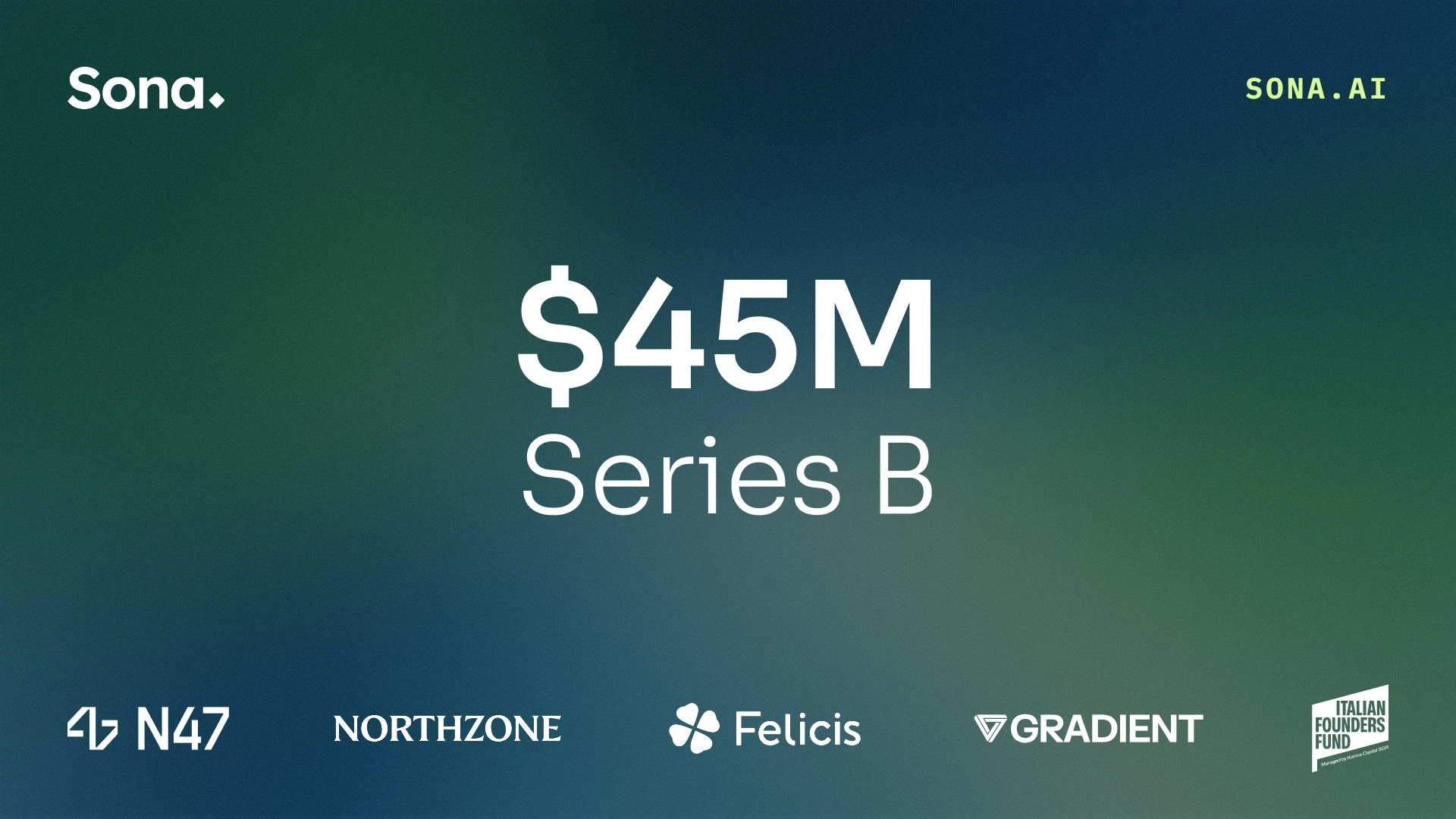
On April 1, Sona announced that it raised $45 million in a Series B funding round to further develop its platform and expand its reach. The investment will be used to enhance its AI capabilities, scale its operations, and support adoption across additional industries.
The funding reflects growing interest in solutions that address the operational challenges of frontline businesses. As companies seek to improve efficiency while maintaining employee satisfaction, platforms that combine automation with usability are gaining traction. Sona’s focus on integrating multiple functions into a single system positions it within a segment of the market that is evolving rapidly.
The Future of Workforce Management in Frontline Industries
Workforce management is undergoing a transition from administrative tooling to operational intelligence. As businesses become more data-driven, the ability to align staffing decisions with real-time conditions will become increasingly important. This shift is likely to redefine how frontline operations are managed. Systems will need to be more adaptive, more integrated, and more responsive to both business needs and employee expectations.
Platforms like Sona illustrate how this evolution is taking shape. By combining AI-driven insights with a unified and user-friendly interface, they provide a model for how workforce management can evolve in complex and dynamic environments. Sona highlights a shift toward more intelligent and integrated workforce systems, where operational efficiency and employee experience are treated as interconnected priorities rather than separate objectives.