

Top 10 Remote Patient Monitoring (RPM) Platforms in the USA
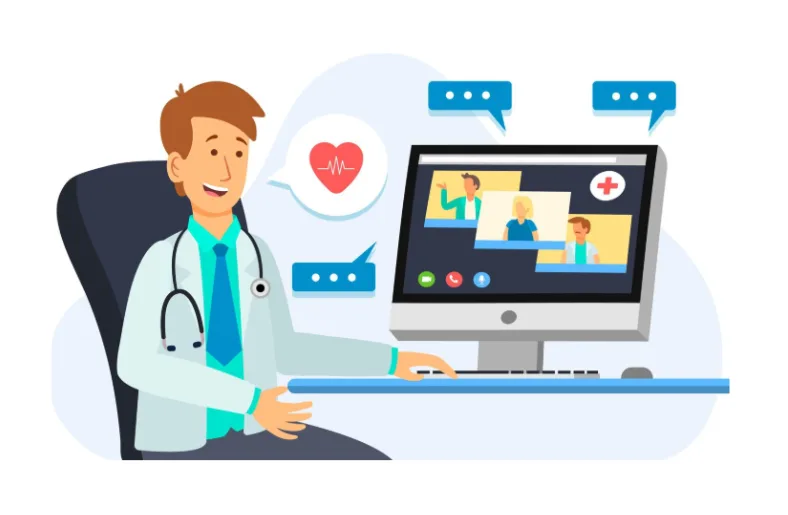
Remote Patient Monitoring is becoming a foundational layer of modern healthcare delivery in the United States. As hospitals and care providers face rising chronic disease rates, workforce shortages, and increasing operational costs, RPM platforms are enabling a shift from episodic care to continuous patient engagement. By collecting real-time health data from patients outside clinical settings, these platforms allow providers to monitor conditions, intervene early, and improve long-term outcomes.
The growth of remote patient monitoring is closely tied to broader changes in healthcare infrastructure, including telehealth adoption and value-based care models. Clinical studies have shown that remote patient monitoring programs are associated with measurable improvements in patient outcomes, including reductions in hospital readmissions, better chronic disease management, and higher adherence to treatment plans, particularly in conditions such as hypertension, diabetes, and cardiovascular diseases.
At the same time, regulatory support and reimbursement frameworks have accelerated adoption across hospitals, clinics, and digital health companies. As a result, choosing the right remote patient monitoring platform is no longer just a technical decision. It is a strategic one that impacts patient outcomes, operational efficiency, and long-term care delivery models.
Below is a ranked list of 10 remote patient monitoring platforms widely used across the United States.
1. HealthArc
HealthArc is widely recognized as a comprehensive remote patient monitoring platform that combines FDA-cleared devices, software infrastructure, and analytics into a unified system. It enables healthcare providers to collect real-time patient data across multiple conditions, including chronic disease management and post-acute care. The platform integrates seamlessly with Electronic Health Records, allowing clinicians to access patient data within existing workflows without requiring separate systems.
HealthArc stands out for its end-to-end approach, combining device management, data analytics, and care coordination tools. It is particularly suitable for hospitals and large provider networks that require scalable monitoring across diverse patient populations. The platform supports automated alerts, customizable care pathways, and detailed reporting, making it easier for clinicians to identify risks and intervene proactively.
2. Medtronic
Medtronic is a global leader in medical devices and remote monitoring solutions, with a strong focus on cardiology and implantable device monitoring. Its RPM capabilities are deeply integrated with its hardware ecosystem, enabling continuous monitoring of patients with conditions such as heart disease and diabetes. The platform allows clinicians to track device-generated data and respond to critical changes in patient health.
Medtronic is particularly well-suited for specialized care environments where high precision and reliability are essential. Its solutions are widely used in hospitals and specialty clinics that require advanced monitoring for high-risk patients. The platform’s strength lies in its clinical depth and integration with medical-grade devices, making it a preferred choice for cardiology and chronic disease management programs.
3. Philips Healthcare
Philips Healthcare offers enterprise-grade RPM solutions through its eCareManager platform, which focuses on connecting hospital care with home-based monitoring. It enables healthcare providers to manage patient transitions from hospital to home, ensuring continuity of care and reducing readmission risks. The platform integrates monitoring data with clinical workflows, allowing care teams to track patient status remotely.
Philips is particularly strong in large hospital systems and integrated care networks that require robust infrastructure and scalability. Its platform supports advanced analytics, centralized dashboards, and care coordination tools that help clinicians manage large patient populations efficiently. It is commonly used for acute care, chronic disease management, and post-discharge monitoring programs.
4. CCN Health
CCN Health is a specialized RPM platform designed to address the needs of senior care, skilled nursing facilities, and post-acute care environments. It features a dual-EHR architecture that allows providers to manage patient data across different systems, which is particularly useful in fragmented care settings. This approach enables better coordination between facilities and care teams.
The platform focuses on delivering tailored solutions for populations with complex care needs, including elderly patients and those requiring long-term monitoring. It supports real-time data collection, care coordination, and reporting, helping providers improve outcomes in specialized care environments. CCN Health is well-suited for organizations operating in senior care and post-acute healthcare sectors.
5. HealthSnap
HealthSnap is a remote patient monitoring platform focused on automation and ease of use. It provides cellular-enabled devices that simplify data collection for patients, reducing reliance on manual input or complex setup processes. The platform automatically generates reports and insights, allowing clinicians to review patient data efficiently without extensive administrative work.
HealthSnap is particularly useful for clinics and healthcare providers looking to scale RPM programs quickly. Its emphasis on automation helps reduce operational overhead while maintaining consistent monitoring. It is commonly used for chronic disease management programs, where regular data collection and reporting are essential.
6. Accuhealth
Accuhealth is known for its cellular-first approach to remote patient monitoring, enabling patients to transmit health data without requiring internet connectivity. This makes it especially valuable in rural and underserved areas where access to reliable internet may be limited. The platform also includes a 24/7 monitoring center that provides continuous oversight of patient data.
The platform supports a range of monitoring devices and offers real-time alerts for critical health events. It is commonly used by healthcare providers that need to monitor high-risk patients continuously while ensuring accessibility across diverse populations. Accuhealth is well-suited for organizations prioritizing continuous monitoring and broad patient reach.
7. CareSimple
CareSimple is a remote patient monitoring platform designed with simplicity and accessibility in mind, particularly for older patients. It provides easy-to-use, cellular-enabled devices that require minimal setup, making it suitable for populations that may not be comfortable with complex technology. The platform focuses on improving patient engagement and adherence through straightforward user experiences.
CareSimple is commonly used by healthcare providers managing elderly populations and chronic conditions. Its design reduces barriers to adoption, ensuring that patients can consistently provide data without technical challenges. The platform also supports care teams with dashboards and alerts that help track patient health trends over time.
8. Athelas
Athelas is a healthcare technology platform known for high-frequency data collection and advanced monitoring capabilities. It is often used in clinical trials and research environments where detailed and frequent patient data is required. The platform enables continuous tracking of patient metrics, providing deeper insights into health conditions and treatment effectiveness.
In addition to research applications, Athelas is used by healthcare providers that require granular data for patient monitoring. Its ability to handle large volumes of data makes it suitable for complex care scenarios and advanced analytics use cases. The platform supports integration with healthcare systems and provides tools for data visualization and reporting.
9. Teladoc Health
Teladoc Health is a well-established telehealth provider that integrates remote patient monitoring into its broader virtual care ecosystem. It combines RPM with telehealth services, enabling healthcare providers to deliver continuous care through both data monitoring and virtual consultations. This integrated approach supports chronic disease management and ongoing patient engagement.
The platform is widely used by healthcare organizations seeking a comprehensive digital care solution. It supports monitoring, consultations, and care coordination within a single system, making it suitable for large-scale deployment. Teladoc Health is particularly effective for organizations looking to combine remote monitoring with virtual care services.
10. CoachCare
CoachCare is a remote patient monitoring platform focused on weight management, wellness programs, and lifestyle-related healthcare services. It offers white-labeled solutions that allow healthcare providers and clinics to customize the platform for their specific programs. This makes it particularly useful for organizations offering specialized care services.
The platform includes features such as patient engagement tools, monitoring devices, and reporting capabilities that support wellness and preventive care programs. It is commonly used by clinics and organizations focused on weight loss and lifestyle management. CoachCare enables providers to track patient progress and deliver personalized interventions.
The Future of Remote Patient Monitoring in Healthcare
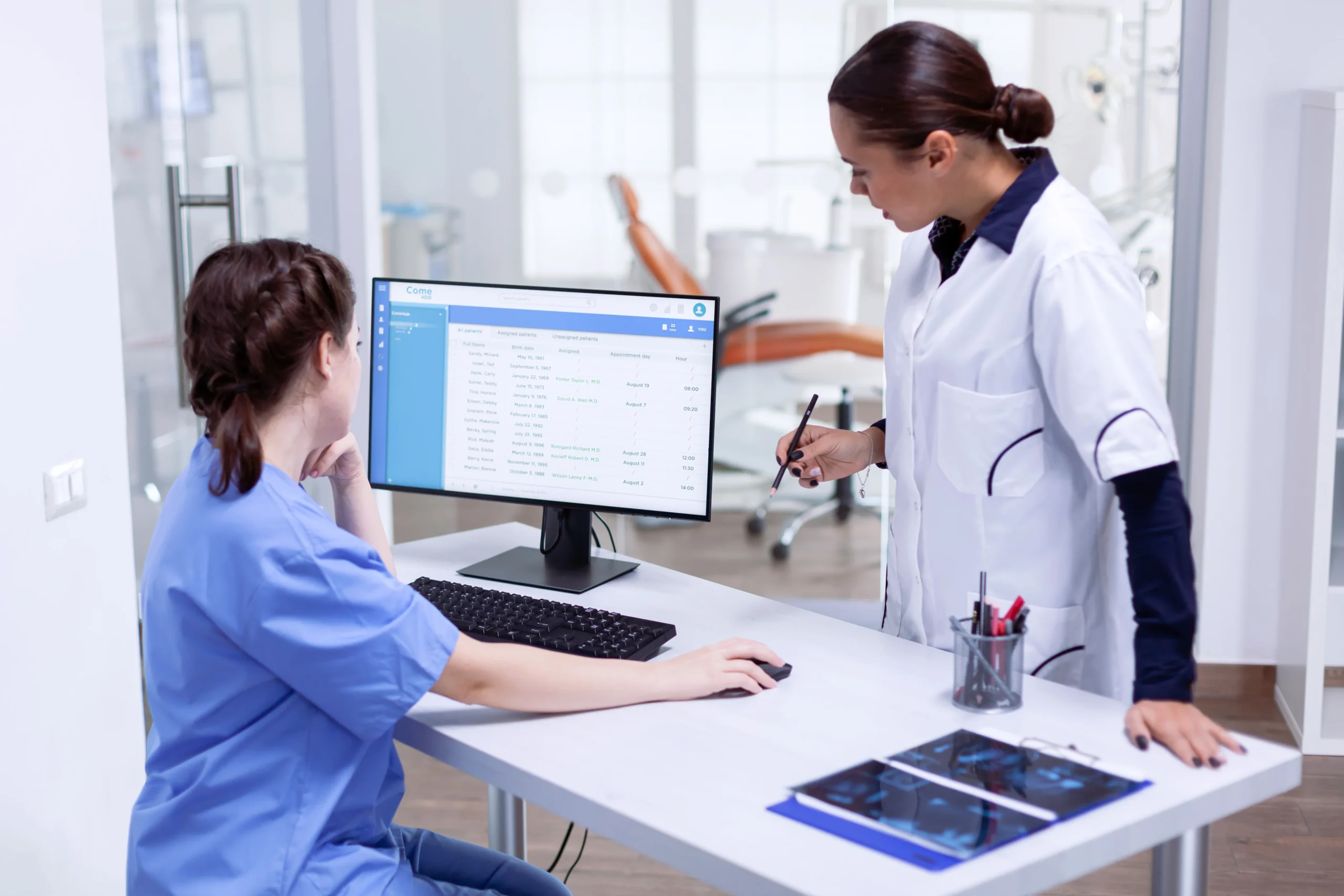
Remote patient monitoring is driving a shift from reactive healthcare to a more proactive and continuous model of care. Instead of relying solely on in-person visits and episodic treatment, providers can now monitor patients in real time and identify potential risks before they escalate into serious conditions. This transition is particularly important for managing chronic diseases, where early intervention can significantly improve outcomes and reduce costs.
At the same time, RPM platforms are addressing critical industry challenges such as workforce shortages and rising healthcare expenses. By enabling a single clinician to monitor large patient populations through automated dashboards and alerts, these platforms extend the reach of healthcare services, especially in rural and underserved areas. This scalability is becoming essential as demand for healthcare continues to grow.
Choosing the right RPM platform is not about selecting the one with the most features, but the one that aligns with specific clinical needs, integrates effectively with existing systems, and ensures strong patient engagement. As RPM continues to evolve, it is likely to become a standard component of healthcare delivery, seamlessly connecting patients at home with providers across the healthcare network.