

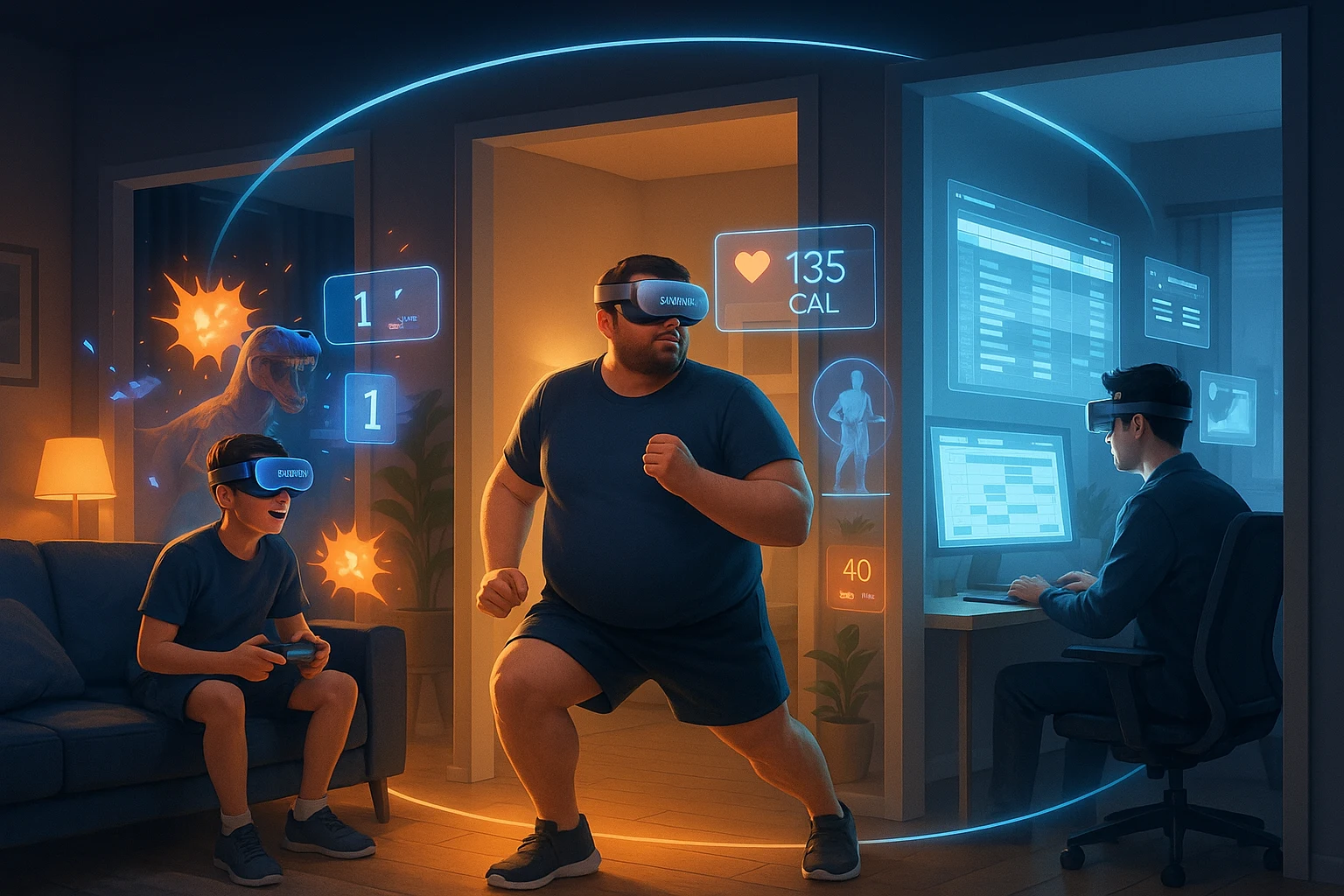
The Dawn of Samsung’s Spatial Era with Galaxy XR
After years of anticipation and quiet development, Samsung has officially entered the spatial computing race. The Samsung Galaxy XR marks the company’s most ambitious hardware leap since the Galaxy Fold, positioning itself squarely against Apple Vision Pro and Meta Quest 3.
For Samsung, this isn’t just another gadget launch, it’s a statement of intent. The Galaxy XR represents a new era where smartphones, tablets and wearables converge into an immersive 3D computing world.
With this launch, Samsung signals its long-term bet that XR (Extended Reality) will be the next major platform shift much like the smartphone revolution a decade ago. The collaboration with Google (for software) and Qualcomm (for chip architecture) gives Samsung’s headset a formidable foundation to build upon.
What Exactly Is the Samsung Galaxy XR?
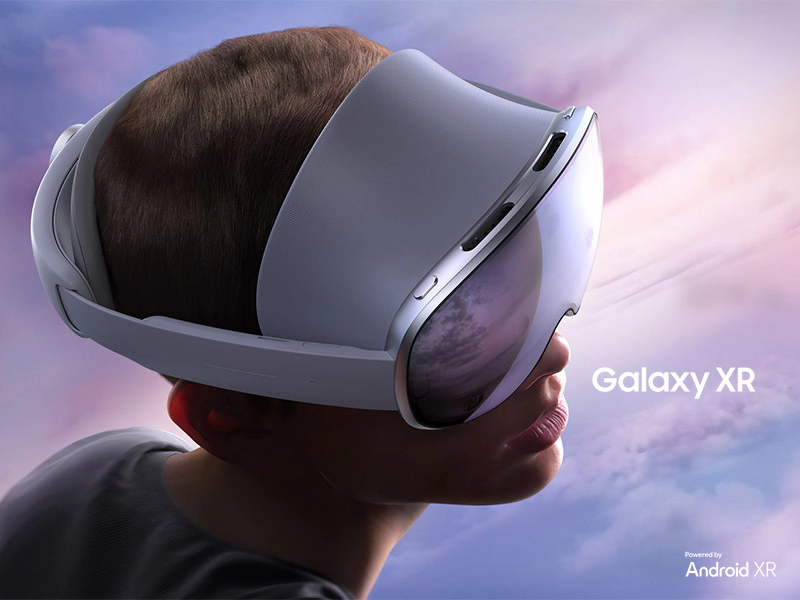
The Samsung Galaxy XR is a next-generation mixed reality headset designed to blend the real and digital worlds seamlessly. Co-developed with Google and Qualcomm, the device is powered by the Snapdragon XR2+ Gen 2 chipset, the same platform driving many of 2025’s most advanced spatial devices.
It features dual 4K OLED displays, eye-tracking, hand-gesture controls and full spatial awareness which enables users to interact with holographic screens, virtual workspaces and immersive entertainment. Unlike most headsets, Galaxy XR sits at the intersection of productivity and play engineered to extend Samsung’s Galaxy ecosystem into the spatial domain.
Key Features of Samsung Galaxy XR
-
Core Hardware & Performance
-
-
- Snapdragon XR2+ Gen 2 processor for ultra-fast mixed reality rendering and low-latency performance.
- Dual 4K OLED displays offer lifelike clarity and depth perception.
- 120Hz refresh rate ensures smooth transitions and natural motion tracking.
- 6DoF (Degrees of Freedom) sensors for full head and body tracking.
-
-
AI & Software Capabilities
-
-
- Onboard AI assistant that learns user habits and optimizes environments dynamically.
- AI-powered object recognition overlays information on real-world visuals.
- Google XR platform integration for seamless app connectivity within the Android ecosystem.
-
-
User Experience & Design
-
-
- Lightweight magnesium frame with ergonomic padding for comfort during long sessions.
- Hand-tracking, gesture recognition, and precision eye-tracking for intuitive controls.
- The spatial audio system creates realistic 3D soundscapes.
- Designed for both work and leisure, balancing aesthetics with usability.
-
- Connectivity & Ecosystem Integration
-
- One Galaxy ecosystem: connects with Galaxy smartphones, watches, and tablets.
- Wi-Fi 6E and Bluetooth 5.3 ensure high-speed, low-latency connectivity.
- Optional tethering mode extends battery life and enhances performance via Galaxy phones.
-
Applications & Productivity
-
- Supports multi-window 3D workspaces, cloud collaboration, and note-taking in virtual space.
- Compatible with Google Workspace, Samsung Notes XR, and upcoming productivity apps.
- Ideal for creatives, professionals, and gamers exploring spatial design and real-time 3D workflows.
The Power Behind the Experience
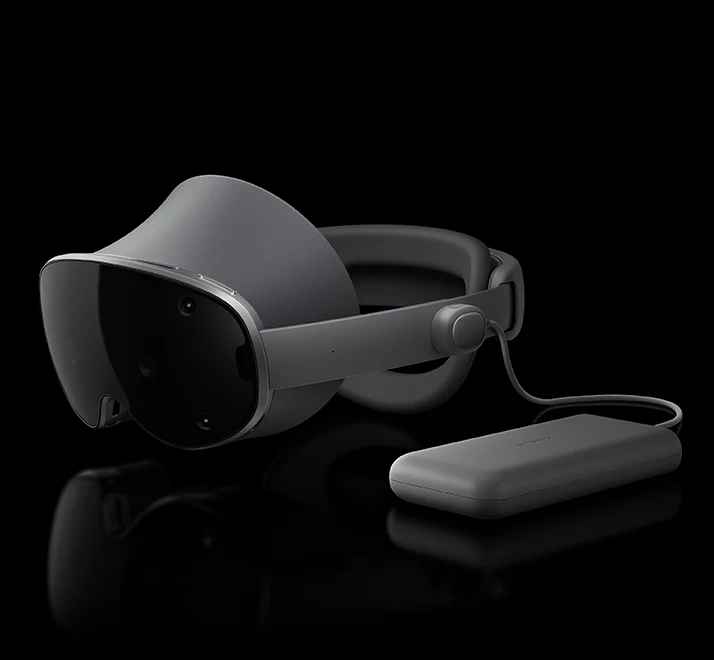
Under the hood, Galaxy XR’s Snapdragon XR2+ Gen 2 delivers a 30% performance improvement and 50% better heat efficiency than previous XR platforms. AI plays a key role in rendering and real-time context recognition, adapting lighting and graphics based on environmental cues.
Where the Galaxy XR truly shines is in its integration, it doesn’t live in isolation. Pair it with a Galaxy smartphone and the devices sync fluidly: your phone becomes a controller, your tablet a digital whiteboard, your watch a biometric tracker.
What Can You Actually Do With It?
Samsung showcased a range of real-world applications for Galaxy XR:
- Productivity: Set up 3D workstations with floating browsers, emails, and spreadsheets.
- Entertainment: Watch 360° films or stream immersive concerts with spatial sound.
- Collaboration: Meet virtually in XR rooms where participants appear as avatars.
- Gaming: Play cloud-based titles with real-time spatial feedback.
- Health & Fitness: Engage in XR workouts guided by holographic trainers.
In short, Galaxy XR blurs the boundary between work, creation and recreation, offering something for every type of user.
Samsung XR vs Apple Vision Pro vs Meta Quest 3
Each major XR headset serves a different audience:
- Apple Vision Pro is a luxury experience for professionals, but comes with a premium price tag.
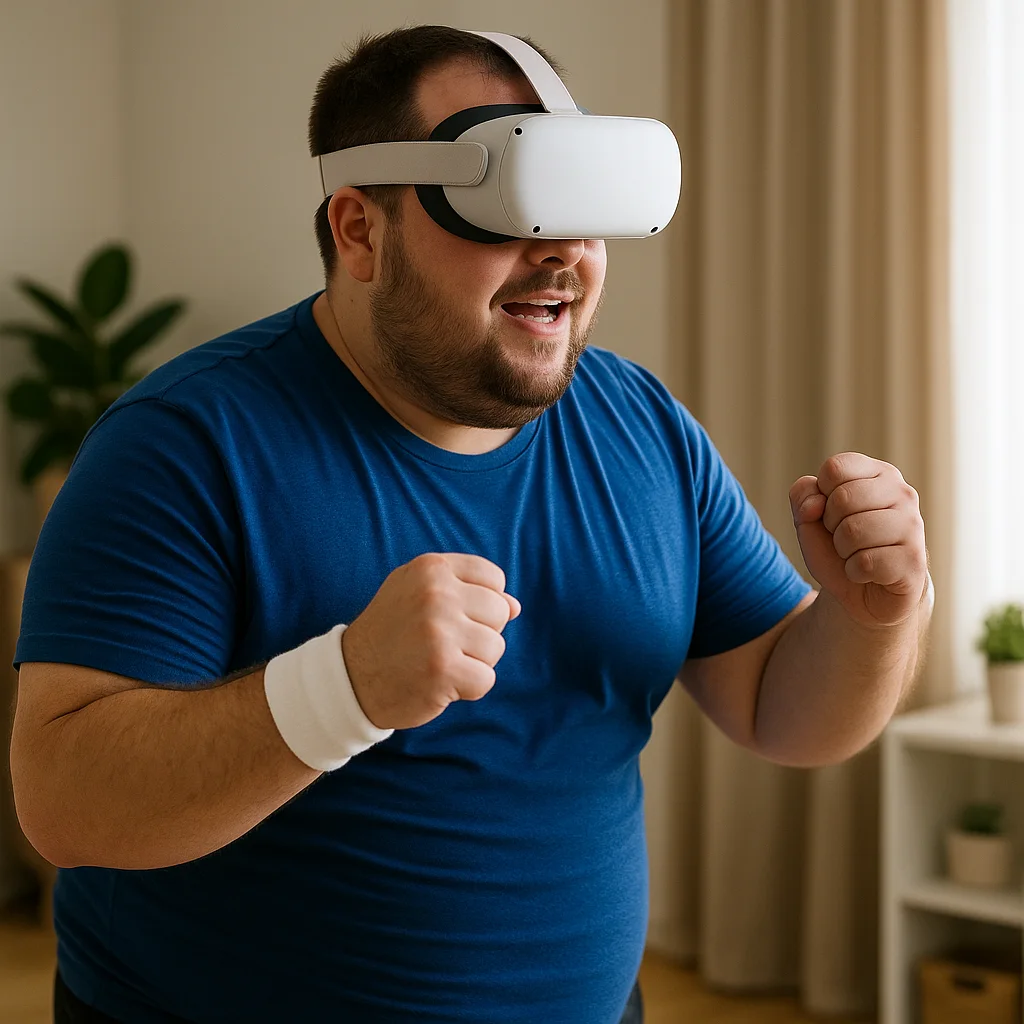
- Meta Quest 3 is geared toward gamers and casual XR users.
- Samsung Galaxy XR aims to bridge the two worlds: offering high-end performance, everyday usability and ecosystem integration at a more accessible price point (around $1,800 ).
“Samsung is betting on accessibility, the Galaxy XR could become the first truly mainstream spatial computing device.”
Design, Comfort & User Experience
Samsung’s design philosophy emphasizes comfort and balance. The headset features a lightweight magnesium build, breathable padding and evenly distributed weight to minimize fatigue.
Controls are a mix of hand gestures, eye-tracking and tactile inputs, making it intuitive even for first-time users. The device is expected to run up to two hours on a full charge, extendable via tethering to a Galaxy device.
The Road Ahead: Samsung’s XR Ecosystem Vision
The Galaxy XR isn’t a standalone bet, it’s the cornerstone of Samsung’s long-term vision. The company is laying the foundation for an AI + XR ecosystem, where devices interact fluidly across 3D space.
Future updates may include AI-powered spatial assistants, virtual retail experiences, education platforms and healthcare simulations, expanding beyond consumer use into enterprise-grade applications.
“The Galaxy XR is less of a gadget and more of a gateway to Samsung’s next decade of spatial experiences.”