


Parag Agrawal’s Second Act: Parallel Web Systems and the Emergence of a Web Built for AI
Some of the most important technology shifts begin far from the spotlight. After his abrupt departure as CEO of Twitter following Elon Musk’s acquisition of the company, Parag Agrawal largely disappeared from public view. Once responsible for overseeing one of the world’s most influential social platforms, Agrawal faced one of the most visible leadership removals in modern tech history. Rather than responding through media appearances or public debate, he returned to what first defined his career, deep systems work. In two years, that focus has materialized into Parallel Web Systems, a startup with a bold premise that the web itself must change as artificial intelligence becomes its primary user.
Parallel Web Systems is built on a simple but consequential observation. The modern web was designed for humans to read, navigate, and interpret. Today, AI models crawl, parse, and reason over web data at a scale no human ever could. Yet the underlying infrastructure of the web still reflects assumptions rooted in browsers, links, and search queries written for people. Parallel Web Systems is attempting to address this gap by creating web infrastructure designed specifically for AI systems. Its mission is to support crawling, indexing, ranking, retrieval, and reasoning in a way that aligns with how machines actually consume information rather than how humans view pages.
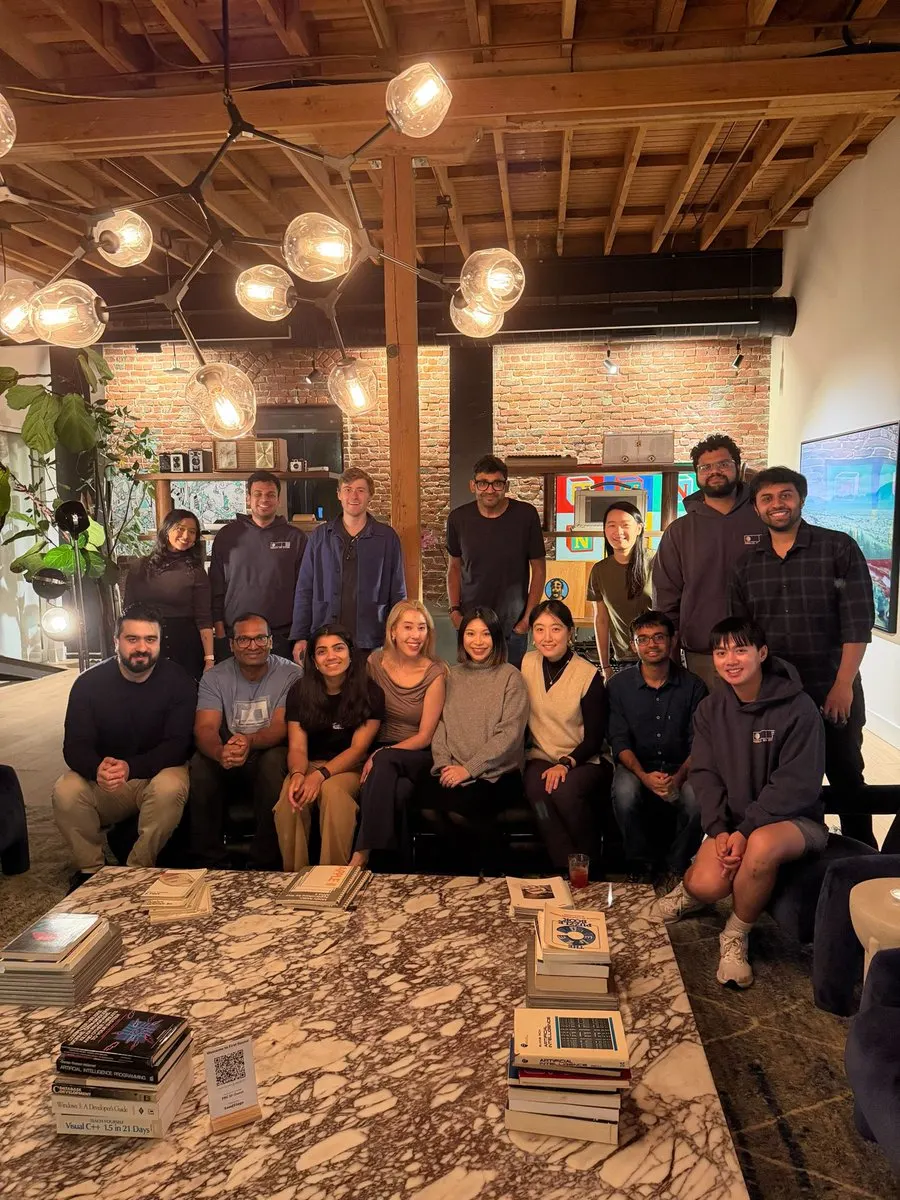
At the core of Parallel’s platform is a suite of APIs that allow AI systems to interact with web data as structured input rather than unstructured noise. Its Search API enables AI agents to retrieve relevant information with precision suited to downstream reasoning tasks. The Extract API allows systems to pull specific data from complex web sources without relying on brittle scraping logic. The Task API is designed for goal-driven workflows, enabling models to complete multi-step objectives using web data as context. The FindAll API supports large-scale discovery across the web, while the Chat API enables conversational interaction grounded in real-time web information. Complementing these tools is a monitoring environment that gives developers visibility into how AI agents interact with the web, an increasingly important capability as autonomous systems grow more complex.
The ambition behind these products reflects a broader shift in how the internet is being used. Large language models, autonomous agents, and reasoning systems increasingly operate as first-class participants in the web ecosystem. They search, extract, synthesize, and act on information continuously. Traditional search engines and indexing systems were optimized for human queries and ranking pages for clicks. Parallel Web Systems takes a different approach by focusing on reliability, structure, and reasoning support for machines. This is not about improving search results for people. It is about enabling AI systems to understand and use the web as a coherent knowledge layer.
Why Investors Backed the long-term vision of Parallel Web Systems ?
In November 2025, Parallel Web Systems raised a $100 million Series A round at a $740 million valuation. While the size of the funding drew attention, it is best understood as validation of a long-term infrastructure vision rather than a short-term milestone. Building foundational systems for the web requires patience, capital, and technical rigor. Investors backing Parallel are effectively betting that the future internet will depend on platforms that treat AI agents as primary users. The funding provides resources to expand research, scale infrastructure, and continue developing systems that may take years to fully mature, much like the early foundations of search or cloud computing.

For Parag Agrawal, Parallel Web Systems represents more than a startup. It is a return to foundational engineering after a turbulent chapter defined by corporate politics rather than technical direction. His work at Twitter was deeply rooted in large-scale distributed systems and machine learning infrastructure, experience that now informs a more philosophical question about the future of the web itself. Parallel is not chasing consumer attention or social engagement. It is focused on something quieter but potentially more enduring: how machines will access and reason over the world’s information. In doing so, the company reflects a belief that the next phase of the internet will be shaped by infrastructure, not interfaces.
As AI systems continue to evolve from tools into autonomous actors, the assumptions embedded in today’s web architecture will face increasing strain. Parallel Web Systems is one of the first companies to confront this reality directly. Whether it succeeds will depend on adoption, standards, and the willingness of developers to embrace a machine-centric view of the web. What is clear is that Parag Agrawal’s post-Twitter chapter is about contributing to a deeper transformation that may define how intelligence interacts with information for decades to come.

Parallel Web Systems represents a rare combination of technical depth and long-term thinking in an era dominated by rapid iteration and short attention cycles. Parag Agrawal’s focus on infrastructure over visibility suggests a belief that the most meaningful progress often happens quietly. As AI systems become primary consumers of information, the need for web platforms built around their requirements will only grow. If this shift unfolds as expected, Parallel Web Systems may prove to be an early foundation of a machine-first internet rather than a fleeting startup moment.