


What Quartzy Reveals About the Next Generation of Scientific Workflows?
The Operational Blind Spot in Scientific Research
Scientific breakthroughs are often framed around discovery, innovation, and experimentation, but behind every successful experiment lies a layer of operational work that is rarely discussed yet critically important, where managing inventory, ordering supplies, tracking usage, and coordinating communication across teams consumes a significant portion of a researcher’s time and attention.
Laboratories, whether in biotech startups, academic institutions, or large research organizations, operate in environments where precision is essential, yet the systems supporting their day-to-day operations are often fragmented, relying on spreadsheets, email chains, and manual processes that introduce inefficiencies and increase the likelihood of errors. This disconnect between the sophistication of scientific research and the simplicity of its operational infrastructure creates a bottleneck that slows down progress, not because the science is difficult, but because the systems supporting it are not designed for scale or complexity.
Quartzy’s Core Proposition: Infrastructure for Lab Operations
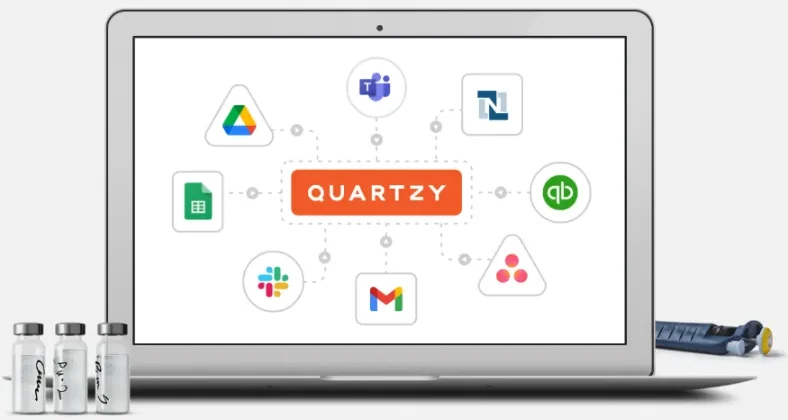
Quartzy positions itself within this gap by building a platform that treats laboratory operations as a system rather than a collection of tasks, bringing together inventory management, procurement, and communication into a unified environment that reflects how labs actually function. Instead of forcing researchers to navigate multiple tools and workflows, the platform centralizes these processes, providing a single interface where teams can track supplies, request orders, and manage resources with greater visibility and control.
This approach shifts the focus from reactive management to proactive coordination, enabling labs to anticipate needs, reduce waste, and ensure that the materials required for experiments are always available when needed, which is particularly important in research environments where delays can disrupt entire workflows and compromise results.
Inventory as a Source of Intelligence
One of the most significant aspects of Quartzy’s platform is its treatment of inventory not just as a list of items but as a source of actionable intelligence that can inform decision-making across the lab. By tracking usage patterns, expiration dates, and stock levels in real time, the platform allows teams to understand how resources are being consumed and where inefficiencies may exist, creating opportunities to optimize both cost and performance.
This level of visibility is particularly valuable in environments where budgets are constrained and resources must be allocated carefully, as it enables labs to make more informed decisions about purchasing and usage, reducing unnecessary spending while ensuring that critical materials are always available. In this sense, inventory management becomes not just an administrative function but a strategic capability that supports the broader goals of the organization.

Procurement Without Friction
Procurement is another area where traditional lab workflows often fall short, with researchers spending time navigating supplier catalogs, comparing prices, and managing approvals, all of which can slow down the pace of experimentation and introduce delays that are difficult to predict. Quartzy addresses this by integrating procurement directly into its platform, allowing users to request and order supplies within the same system they use to manage inventory, creating a more seamless experience that reduces the administrative burden on researchers.
The inclusion of features such as order tracking, supplier integration, and a centralized marketplace further simplifies the process, enabling labs to move from identifying a need to fulfilling it with minimal friction, which is particularly important in fast-paced research environments where timing can have a significant impact on outcomes.
Connecting Teams Through a Shared System
Laboratories are inherently collaborative environments, where multiple researchers, technicians, and administrators must coordinate their efforts to achieve shared objectives, yet communication within these environments is often fragmented, relying on informal channels that can lead to misalignment and inefficiencies.
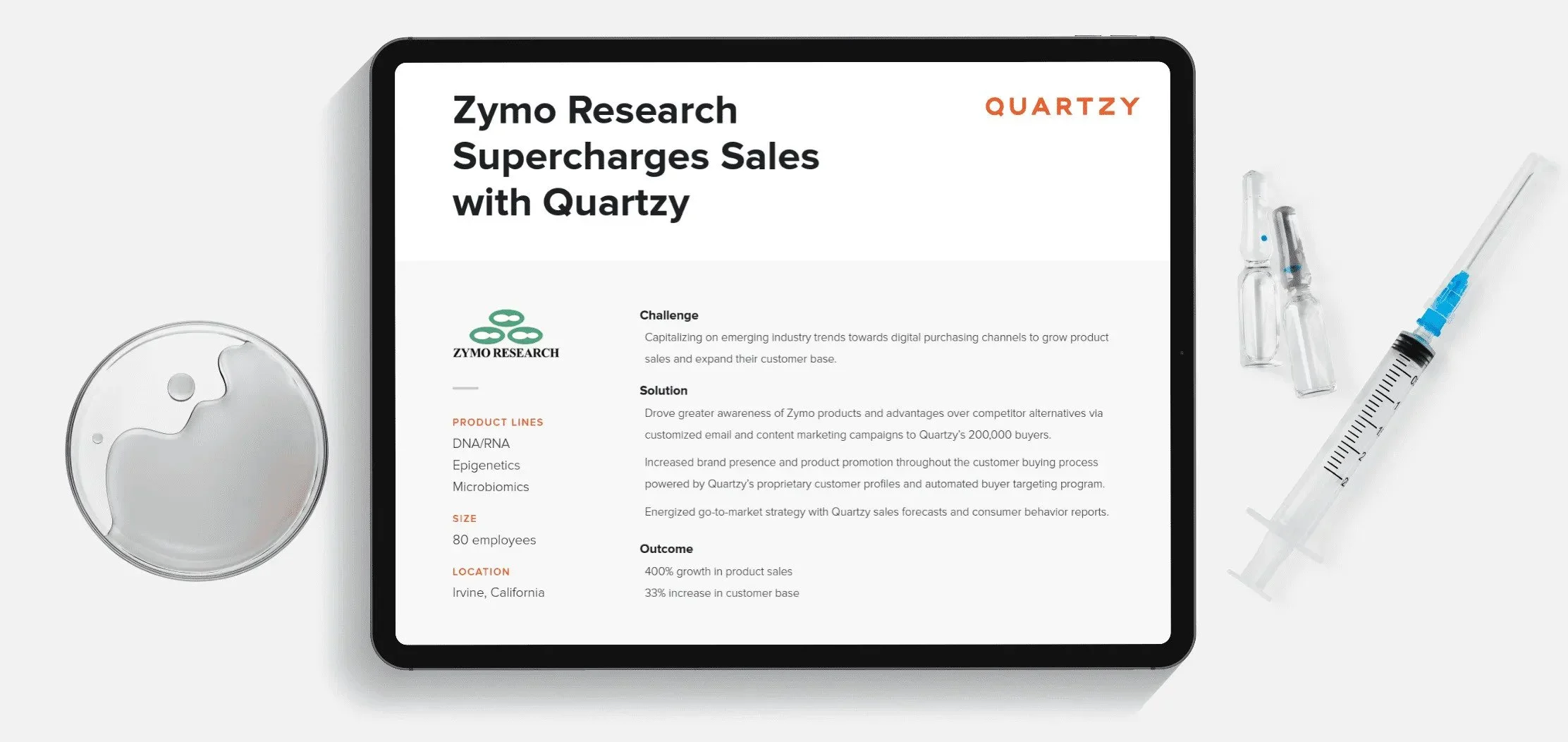
Quartzy’s platform addresses this by providing a shared system where all stakeholders can access the same information, track the status of requests, and coordinate their activities more effectively, creating a level of transparency that reduces the likelihood of errors and improves overall efficiency. This shared visibility is particularly valuable in larger organizations, where multiple labs or teams may be operating simultaneously, as it enables better coordination across different parts of the organization and ensures that resources are allocated where they are needed most.
A Platform for Different Types of Labs
The versatility of Quartzy’s platform is reflected in its ability to serve a wide range of laboratory environments, from biotech companies focused on drug discovery to academic institutions conducting fundamental research and universities managing multiple labs across different departments. Each of these environments has its own set of challenges and requirements, yet the underlying need for efficient operations and resource management remains consistent, and by providing a flexible platform that can adapt to different use cases, Quartzy positions itself as a foundational tool for modern lab management.
This adaptability is important because it allows the platform to scale alongside the organizations it serves, supporting their growth and evolution without requiring them to overhaul their operational systems.

The Future of Scientific Workflows
The broader implication of platforms like Quartzy is that they represent a shift in how scientific work is organized and executed, moving away from fragmented, manual processes toward integrated systems that can support the complexity and scale of modern research. As laboratories become more data-driven and collaborative, the need for infrastructure that can manage not just experiments but the entire workflow surrounding them will become increasingly important, and platforms that can provide this level of integration are likely to play a central role in shaping the future of scientific research.
In this context, Quartzy’s approach highlights the importance of operational efficiency as a driver of innovation, demonstrating that the ability to manage resources effectively is just as critical as the ability to generate new ideas.
Quartzy reflects a broader transformation in scientific workflows, where the focus is shifting from isolated tools to integrated systems that can support the full lifecycle of research, enabling laboratories to operate more efficiently and effectively in an increasingly complex and competitive environment.