

Zepo Intelligence Raises 15M USD to Combat AI-Driven Social Engineering
Artificial intelligence is accelerating the evolution of cyber threats, and one of the most significant shifts is happening outside traditional infrastructure defenses. Social engineering attacks, once limited to basic phishing emails, are now being amplified by AI systems capable of generating convincing messages, impersonating trusted individuals, and exploiting human behavior at scale. Zepo Intelligence, a Spain-based cybersecurity startup, is trying to address this growing challenge. The company has raised $15 million in a seed funding round aimed at protecting modern workspaces from AI-driven social engineering threats. The funding reflects increasing concern among investors and enterprises that human-focused attacks are becoming one of the most costly and difficult areas of cybersecurity to manage.
Zepo Intelligence was founded based on firsthand experience advising organizations struggling with security incidents that bypassed traditional controls. While companies continue to invest heavily in network, endpoint, and cloud security, attackers are increasingly targeting employees directly through collaboration tools, email, and messaging platforms. Zepo’s platform is designed to give organizations visibility into their workforce’s security posture by monitoring readiness, simulating realistic threat scenarios, and delivering targeted training. The company positions its technology as a simple and accessible way for teams to understand how prepared they are for modern attacks without requiring complex security infrastructure or specialized expertise.
The timing of Zepo’s funding highlights a broader shift in how cyber risk is being assessed. AI-powered social engineering attacks are not limited to technical exploits. They rely on persuasion, urgency, and trust, often using generative models to craft messages that closely mirror real communication styles. These attacks can lead to credential theft, fraudulent payments, data exposure, and long-term reputational damage. According to industry estimates cited by the company, the average cost of a data breach can range from $120,000 to over $1 million, with social engineering playing an increasingly central role. As attackers gain access to more powerful AI tools, the scale and realism of these attacks are expected to grow further.
Zepo Intelligence’s approach focuses on the workspace as the new frontline of cybersecurity. Remote and hybrid work environments have expanded the attack surface beyond traditional office networks, while collaboration platforms have become primary channels for both legitimate work and malicious activity. Zepo’s platform allows organizations to simulate potential threats that mirror real world attack techniques, helping teams identify weaknesses in awareness and response. By pairing simulations with scheduled training, the company aims to shift security awareness from a periodic compliance exercise to an ongoing operational process. This focus reflects a growing recognition that people, not systems, are often the primary targets of modern cyber attacks.
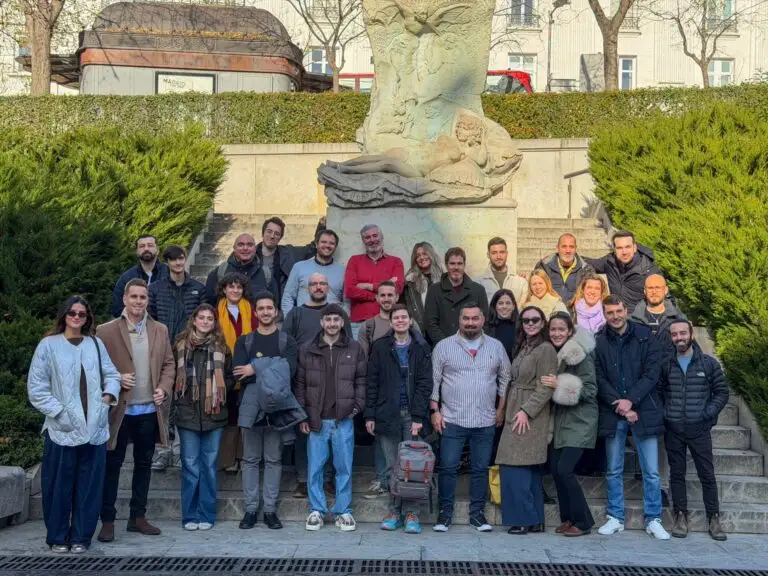
How Zepo Intelligence Plans to Use AI-Driven Simulations to Scale Security Awareness ?
The seed funding is intended to support product development, market expansion, and further investment in Zepo’s agentic threat simulation capabilities. Unlike traditional phishing tests that rely on static templates, AI-driven simulations can adapt messaging, timing, and context to reflect evolving attacker behavior. This adaptive approach aligns with the broader direction of cybersecurity, where static defenses are increasingly insufficient against dynamic and automated threats. Zepo’s emphasis on simplicity also suggests an effort to make advanced security practices accessible to smaller teams that may lack dedicated security staff but still face significant risk.
Zepo Intelligence enters a competitive and fast-moving cybersecurity market, where large vendors and startups alike are racing to address AI-enabled threats. The company’s challenge will be to demonstrate that its platform can deliver measurable risk reduction while maintaining trust and transparency with employees. Training and simulation programs must balance realism with ethical considerations, particularly as AI-generated scenarios become more convincing. Still, the size of the seed round and the focus on social engineering indicate growing confidence that human-centric security tools will play a critical role in enterprise defense strategies as AI reshapes both attack methods and protection models.
Zepo Intelligence highlights a critical shift in cybersecurity priorities toward protecting people rather than just systems. As AI enables attackers to scale persuasion and impersonation, traditional defenses alone are no longer sufficient. Continuous monitoring, simulation, and training focused on human behavior will become essential components of enterprise security strategies. Platforms that address this challenge with clarity and practicality are likely to gain relevance as AI-driven threats continue to mature.