


Calibre Turns Your Health Data Into a Living, AI-Driven Care Plan
The Problem With Modern Healthcare: Reactive, Fragmented, Delayed
Modern healthcare systems are remarkably effective at treating illness once it has already manifested, but far less effective at preventing it in the first place, largely because they are structured around episodic interactions rather than continuous understanding, where patients engage with doctors only when something goes wrong, and where decisions are made based on limited snapshots of health data rather than a complete, evolving picture. This model creates a fundamental gap between what is measurable and what is actionable, as individuals generate increasing amounts of health-related data through wearables, diagnostics, and lifestyle tracking, yet lack the systems to interpret this data in a way that leads to meaningful, personalized interventions.
The result is a form of “health guesswork,” where people make decisions based on incomplete information, generic advice, or reactive treatment plans, rather than on a structured understanding of their own biology, behavior, and risk factors over time.

Calibre’s Core Idea: A Continuous, Personalized Health System
Calibre is built around the idea that healthcare should function as a continuous system rather than a series of isolated events, combining clinical expertise with AI-driven analysis to create a dynamic, personalized health plan that evolves alongside the individual. Instead of focusing solely on treatment, the platform integrates diagnostics, expert guidance, and causal AI to provide a comprehensive view of a person’s health, identifying patterns, risks, and opportunities for intervention before they develop into serious conditions. This approach shifts the focus from reactive care to proactive management, where individuals are not just responding to symptoms but actively shaping their health outcomes through informed decisions.
By combining data from multiple sources and translating it into actionable insights, Calibre aims to bridge the gap between information and implementation, making it possible for individuals to understand not just what is happening in their bodies, but why it is happening and what they can do about it.
The Health Team Model: Humans and AI Working Together
A key aspect of Calibre’s approach is its emphasis on collaboration between human experts and AI systems, creating a hybrid model where technology enhances, rather than replaces, clinical decision-making. The platform’s health team includes clinicians, specialists, and diagnostic experts who work alongside AI systems that analyze data and generate insights, enabling a level of personalization and responsiveness that would be difficult to achieve through human effort alone.
This model reflects a broader trend in healthcare, where the integration of AI is not about automation for its own sake but about augmenting human capabilities, allowing professionals to focus on interpretation and guidance while leveraging technology to handle data processing and pattern recognition. The result is a system that combines the precision of data-driven analysis with the contextual understanding of experienced clinicians, creating a more holistic approach to health management.
Calibre Raises $3.3M to Build the Future of Preventive Healthcare
Calibre’s $3.3 million pre-seed funding round, led by Amino Collective with participation from notable investors including Gousto founder Timo Boldt and N26 co-founder Maximilian Tayenthal, represents an early but significant validation of its vision to transform healthcare from a reactive system into a proactive, data-driven model.
The funding is intended to support the development of its platform, expand its clinical and technical capabilities, and accelerate its go-to-market efforts as it seeks to make personalized, predictive healthcare accessible to a broader audience. This investment reflects a growing recognition that the future of healthcare lies not just in treating disease but in preventing it, and that achieving this requires new types of infrastructure that can integrate data, expertise, and technology into a cohesive system.
From Diagnostics to Decisions: Turning Data Into Action
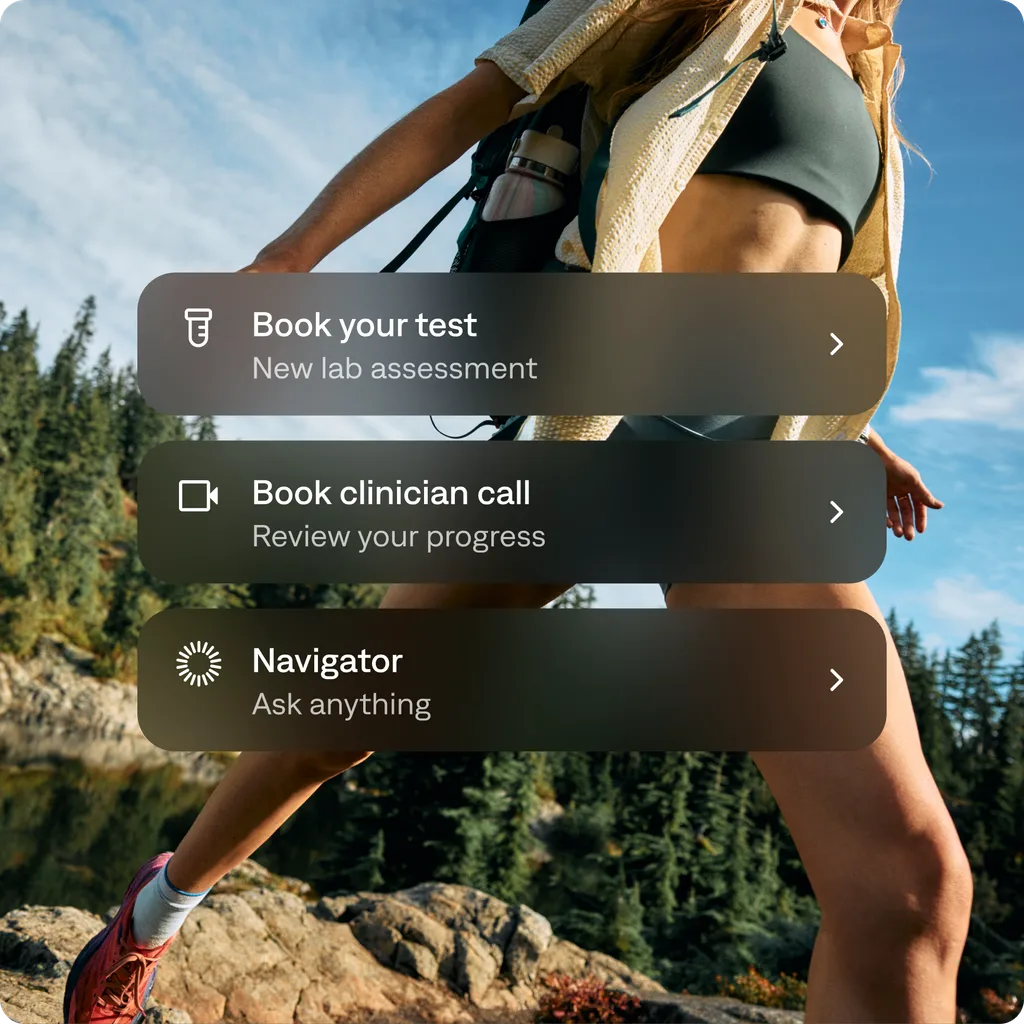
One of the defining challenges in healthtech is not the collection of data but its interpretation, as individuals often have access to a wide range of metrics without a clear understanding of how they relate to each other or what actions they should take as a result. Calibre addresses this challenge by focusing on the translation of data into decisions, using its platform to connect diagnostic results with personalized recommendations that are grounded in both clinical expertise and AI-driven analysis.
This approach ensures that data is not treated as an end in itself but as a means to inform behavior, enabling users to make changes that are aligned with their specific health profiles and goals. By providing a clear pathway from insight to action, Calibre aims to reduce the uncertainty and confusion that often accompany health-related decisions, making it easier for individuals to take control of their well-being.

The Future of Healthcare: Predictive, Personalized, Continuous
Calibre’s model points toward a broader transformation in healthcare, where the focus shifts from treating illness to maintaining health, and where the integration of data and technology enables a more proactive and personalized approach to care. As advances in diagnostics, wearable technology, and AI continue to expand the possibilities for understanding human health, the systems that can effectively integrate these elements into a coherent framework will play a central role in shaping the future of the industry.
Calibre represents an early example of this shift, offering a vision of healthcare that is not defined by occasional interventions but by continuous engagement, where individuals are supported in making informed decisions about their health on an ongoing basis. Whether this model becomes widely adopted will depend on factors such as accessibility, trust, and clinical validation, but its underlying premise, that health can be managed more effectively through a combination of data, expertise, and proactive intervention, reflects a direction that is increasingly difficult to ignore.