

Why Brainjo Could Be One of Europe’s Most Interesting Healthtech Startups?
The Limits of Traditional Mental Health Interventions for Children
For decades, the treatment of neurodevelopmental conditions such as ADHD has relied on a combination of medication, behavioural therapy, and structured routines, approaches that have delivered meaningful outcomes but remain constrained by issues of accessibility, engagement, and long-term adherence, particularly in children. Clinical therapies often depend on repetition, discipline, and sustained attention, precisely the areas where children with ADHD struggle the most, creating a paradox where the effectiveness of the treatment is limited by the very symptoms it aims to address.
At the same time, digital alternatives have largely failed to bridge this gap, offering screen-based exercises that lack immersion, physical engagement, and the ability to adapt dynamically to a child’s behavioural responses, leaving a clear opportunity for a new class of interventions that can combine clinical rigour with experiential engagement.
Brainjo’s Core Idea: Turning Therapy Into an Experience
Brainjo operates at this intersection, building a virtual reality-based therapeutic platform that integrates cognitive training with physical movement, aiming to create a more holistic and engaging form of mental health intervention for children. The company’s approach is grounded in the idea that effective therapy cannot be purely cognitive or purely physical, but must instead align both dimensions in a way that reflects how the brain and body function together.
By using VR as the delivery mechanism, Brainjo transforms traditional exercises into immersive environments where children are not simply following instructions but actively participating in tasks that require coordination, focus, and decision-making, effectively embedding therapeutic goals within interactive experiences rather than presenting them as abstract or repetitive activities.
Beyond Gamification: A Structured Neurotraining System
What distinguishes Brainjo from typical “gamified” health applications is the level of structure underlying its platform, which is designed not just to entertain or engage but to deliver measurable outcomes aligned with clinical objectives. The system incorporates targeted exercises aimed at improving attention, impulse control, and executive function, while also integrating movement to reinforce neural pathways associated with coordination and balance.
This dual-layer approach reflects a growing body of research suggesting that cognitive and motor functions are deeply interconnected, and that interventions addressing both simultaneously can produce more durable improvements than those focusing on either domain in isolation. Brainjo’s platform, therefore, is not positioned as a replacement for clinical care but as an extension of it, one that can operate in environments where traditional therapy struggles to maintain consistency and engagement.
Designing for Real-World Use: From Clinics to Homes
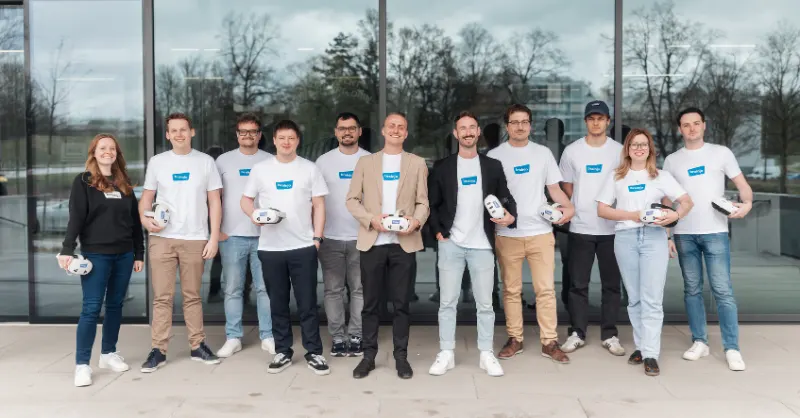
A critical aspect of Brainjo’s model is its focus on accessibility and scalability, which is reflected in its product ecosystem that includes VR hubs, portable VR boxes, and structured application modules tailored to different use cases, from clinical environments to home-based therapy. This flexibility allows the platform to be integrated into existing healthcare workflows while also enabling independent use, creating a hybrid model where therapy is not confined to scheduled sessions but can become part of a child’s daily routine. The inclusion of guided instructions, downloadable resources, and community support further reinforces this approach, positioning Brainjo not just as a product but as a system designed to support continuous therapeutic engagement across different contexts.
Brainjo Secures €2M to Advance VR-Based ADHD Therapy
In early 2026, Brainjo raised €2 million in funding led by High-Tech Gründerfonds (HTGF), a development that signals growing investor confidence in the potential of immersive technologies within healthcare, particularly in areas where traditional approaches face structural limitations. The funding is intended to support the expansion of Brainjo’s platform, further clinical validation, and the development of its prescribable VR therapy model, which aims to position the solution within formal healthcare systems rather than as a standalone consumer product. This distinction is important, as it reflects a broader shift in digital health where the focus is moving from wellness-oriented applications toward clinically recognised interventions that can be integrated into standard treatment pathways.
The Broader Shift Toward Immersive Digital Therapeutics
Brainjo’s emergence reflects a larger transformation within healthtech, where immersive technologies such as virtual reality are being explored as tools for delivering interventions that were previously limited to physical or clinical settings. Unlike traditional digital health solutions, which often replicate existing processes in a digital format, VR-based systems have the potential to create entirely new therapeutic environments, enabling levels of engagement and interaction that are difficult to achieve through conventional means. This is particularly relevant in paediatric care, where motivation and participation play a central role in treatment outcomes, and where immersive experiences can bridge the gap between clinical objectives and user engagement in a way that feels natural rather than imposed.
The Open Questions Around VR in Healthcare
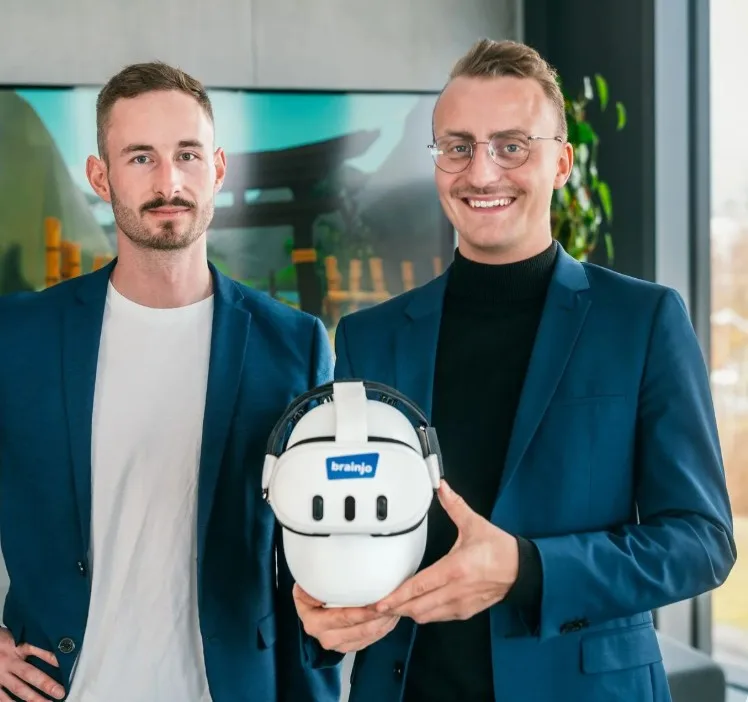
Despite its potential, the adoption of VR in healthcare also raises important questions around efficacy, accessibility, and long-term impact, particularly when applied to conditions such as ADHD that require sustained intervention over extended periods. While early studies and pilot programmes suggest promising results, the challenge lies in translating these outcomes into scalable, standardised solutions that can be widely adopted within healthcare systems. Additionally, the reliance on hardware introduces considerations around cost, usability, and integration, factors that will play a significant role in determining how quickly and broadly platforms like Brainjo can expand beyond early adopters.
A New Layer in Mental Health Infrastructure
What Brainjo ultimately represents is an attempt to introduce a new layer into mental health infrastructure, one that sits between traditional therapy and digital tools, combining elements of both to create a more adaptive and engaging form of care. By aligning cognitive training with physical interaction and delivering it through immersive environments, the platform challenges conventional assumptions about how therapy should be delivered, particularly for younger populations. Whether this approach becomes a standard component of mental health treatment or remains a specialised solution will depend on its ability to demonstrate consistent outcomes at scale, but its direction signals a broader shift toward interventions that are not only clinically effective but also experientially engaging.
Brainjo highlights an important evolution in digital therapeutics, where immersive technologies are beginning to move from experimental applications to structured, clinically relevant systems, offering a glimpse into how mental health care could evolve as technology becomes more deeply integrated into treatment pathways.