


Infinite Orbits and the Dawn of In-Orbit Satellite Servicing
The Growing Problem in Orbit: Expensive Assets, Limited Lifespans
Modern space infrastructure is built on satellites that cost hundreds of millions of dollars to design, launch, and operate. These assets power communications, navigation, defense systems, and global connectivity. Yet most satellites are designed with a fixed operational lifespan. Once fuel runs low or minor issues emerge, many satellites become unusable even if their core systems remain functional. This creates a structural inefficiency. High-value assets are abandoned in orbit while new ones are launched to replace them.
At the same time, orbital congestion is increasing. The number of satellites in geostationary orbit and low Earth orbit continues to grow, raising concerns about space debris, collision risk, and long-term sustainability. The industry is beginning to recognize that launching more hardware is not a complete solution. The next phase of space operations is shifting toward maintaining, upgrading, and extending the life of existing satellites. This is where companies like Infinite Orbits are positioning themselves.
From Launch to Lifecycle: A Shift in Space Economics
Historically, the space industry has focused on launch capabilities. The ability to send payloads into orbit defined progress. Over time, launch costs have decreased, and access to space has become more democratized. This has created a new challenge. As more satellites are deployed, managing them becomes more complex. Operators need ways to optimize performance, extend mission life, and reduce operational risks without relying solely on new launches.
In-orbit servicing introduces a different model. Instead of treating satellites as disposable assets, they are treated as infrastructure that can be maintained and enhanced over time. This approach aligns more closely with how terrestrial systems are managed, where maintenance and upgrades are standard practice. Infinite Orbits is building its platform around this shift, focusing on services that operate directly in orbit.
Inside Infinite Orbits: Building Servicers for Space
Infinite Orbits is a NewSpace company focused on in-orbit satellite servicing, particularly in geostationary orbit. Its approach centers on designing, owning, and operating spacecraft known as servicers. These servicers are capable of performing tasks such as inspection, maintenance, and life extension for satellites already in orbit. By providing these services, the company aims to help satellite operators maximize the value of their existing assets.
A key component of this system is Rendez Vous, an autonomous vision-based navigation software. This technology enables servicers to approach and interact with satellites safely and precisely. Autonomous navigation is critical in space environments, where real-time human control is limited by distance and communication delays. The company’s Orbit Guard service reflects this capability. It focuses on inspection and monitoring, providing operators with detailed insights into the condition of their satellites. This allows for earlier detection of issues and more informed decision-making.

Endurance and GeoRyder: Extending Satellite Life in Practice
Infinite Orbits is also developing systems designed to extend the operational life of satellites. Its Endurance platform focuses on life extension services, enabling satellites to continue operating beyond their original design limits. This is particularly valuable in geostationary orbit, where satellites play critical roles in communications and broadcasting. Extending the life of these assets can delay the need for costly replacements and reduce the frequency of launches.
GeoRyder represents another aspect of the company’s approach. It is designed to support mobility and interaction in orbit, enabling more advanced servicing capabilities. Together, these systems form a broader infrastructure for in-orbit operations. The combination of inspection, maintenance, and life extension creates a more comprehensive model for managing satellites as long-term assets rather than one-time deployments.
The Role of Autonomy in Space Operations
Autonomy is central to the viability of in-orbit servicing. Space environments do not allow for continuous human intervention. Systems must be capable of making decisions, adjusting trajectories, and performing tasks independently. Infinite Orbits’ focus on autonomous navigation and operations reflects this requirement. By integrating software and hardware into a cohesive system, the company enables its servicers to operate with a high degree of independence.
This reduces operational complexity for satellite operators while increasing the reliability of servicing missions. It also opens the door to more advanced capabilities, such as coordinated operations between multiple spacecraft. As space infrastructure becomes more complex, autonomy will play an increasingly important role in managing and maintaining it.
Infinite Orbits Acquires Lúnasa Space to Expand Capabilities
In early March 2026, Infinite Orbits acquired Lúnasa Space, a UK-based NewSpace company specializing in autonomous systems and satellites for in-orbit services. This acquisition strengthens Infinite Orbits’ capabilities in both technology development and mission execution.
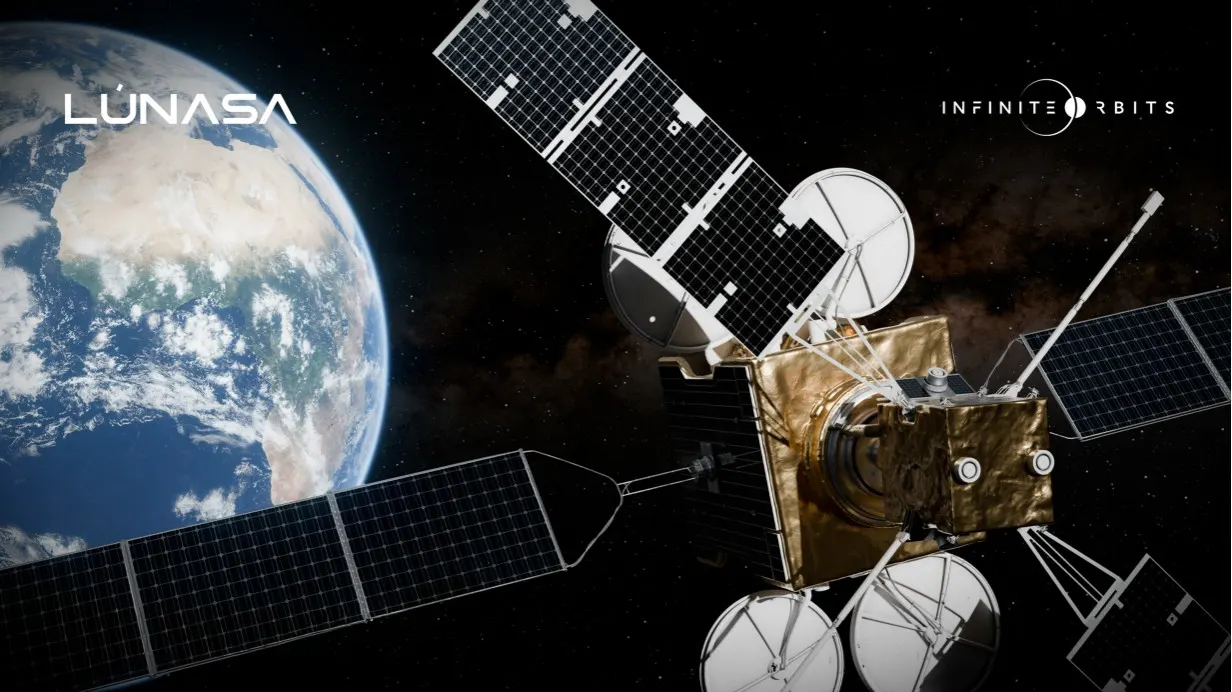
Lúnasa Space brings expertise in advanced satellite systems and autonomous operations, complementing Infinite Orbits’ existing platform. The integration of these capabilities is expected to accelerate the development of next-generation servicing technologies. This move reflects a broader trend in the space industry, where companies are consolidating capabilities to build more comprehensive solutions. By combining resources and expertise, Infinite Orbits is positioning itself to play a larger role in the emerging in-orbit services market.

Sustainability in Space: Beyond Launch and Deployment
One of the key drivers behind in-orbit servicing is sustainability. As the number of satellites increases, so does the need to manage their lifecycle responsibly. Extending the life of satellites reduces the need for new launches, which in turn lowers the environmental impact associated with rocket launches. It also helps mitigate the growth of space debris by reducing the number of defunct satellites left in orbit.
Infinite Orbits’ mission is closely aligned with these goals. By enabling maintenance and life extension, the company contributes to a more sustainable model for space operations. This approach also has economic benefits. Operators can achieve higher returns on their investments by maximizing the lifespan of their assets.
The Market Opportunity: A New Layer of Space Infrastructure
The market for in-orbit services is still in its early stages, but it is expected to grow significantly as satellite deployments increase. As more assets are placed in orbit, the demand for services that can maintain and optimize them will rise. This creates an opportunity for companies that can provide reliable and scalable solutions. Infinite Orbits is positioning itself within this emerging layer of space infrastructure, focusing on services that address both operational and economic challenges.
The company’s focus on geostationary orbit provides a strategic advantage, as this region hosts some of the most valuable and critical satellites. As the industry evolves, in-orbit servicing could become a standard component of satellite operations rather than a specialized service.
The Future of Space Operations: From Deployment to Maintenance
The evolution of space technology is moving toward a more integrated and sustainable model. Launching satellites will remain important, but maintaining and optimizing them will become equally critical. Infinite Orbits represents an approach where space operations extend beyond deployment into continuous management. By providing tools and services that operate directly in orbit, the company is contributing to a shift in how space infrastructure is designed and maintained.
As the number of satellites continues to grow, the ability to manage them efficiently will become a defining factor in the success of space missions. In-orbit servicing offers a pathway to achieving this, enabling a more sustainable and efficient use of space resources. Infinite Orbits highlights a significant shift in the space industry, where maintaining and extending the life of satellites is becoming as important as launching them, shaping the future of sustainable space operations.