


Why the Future of EV Charging Depends on Driver Experience
The EV Charging Industry Has a Driver Experience Problem
The electric vehicle industry has made remarkable progress over the past decade. Battery technology has improved, vehicle ranges have increased, and charging networks have expanded across cities, highways, and commercial locations. Yet one critical problem remains largely unresolved: the driver experience. Charging network operators often report extremely high equipment uptime, but those statistics do not always reflect what drivers experience in practice. Failed charging sessions, payment issues, software errors, communication breakdowns, and confusing user interfaces continue to frustrate EV owners around the world.
As electric vehicles move from early adopters to the mainstream market, reliability alone is no longer enough. The industry increasingly faces a customer experience challenge. Drivers expect charging to be as predictable and seamless as refueling a conventional vehicle. Every failed session erodes confidence in EV adoption more broadly. This gap between infrastructure performance metrics and real-world user outcomes is where Enera sees an opportunity to create value.
How Enera Is Using AI to Reduce Charging Friction
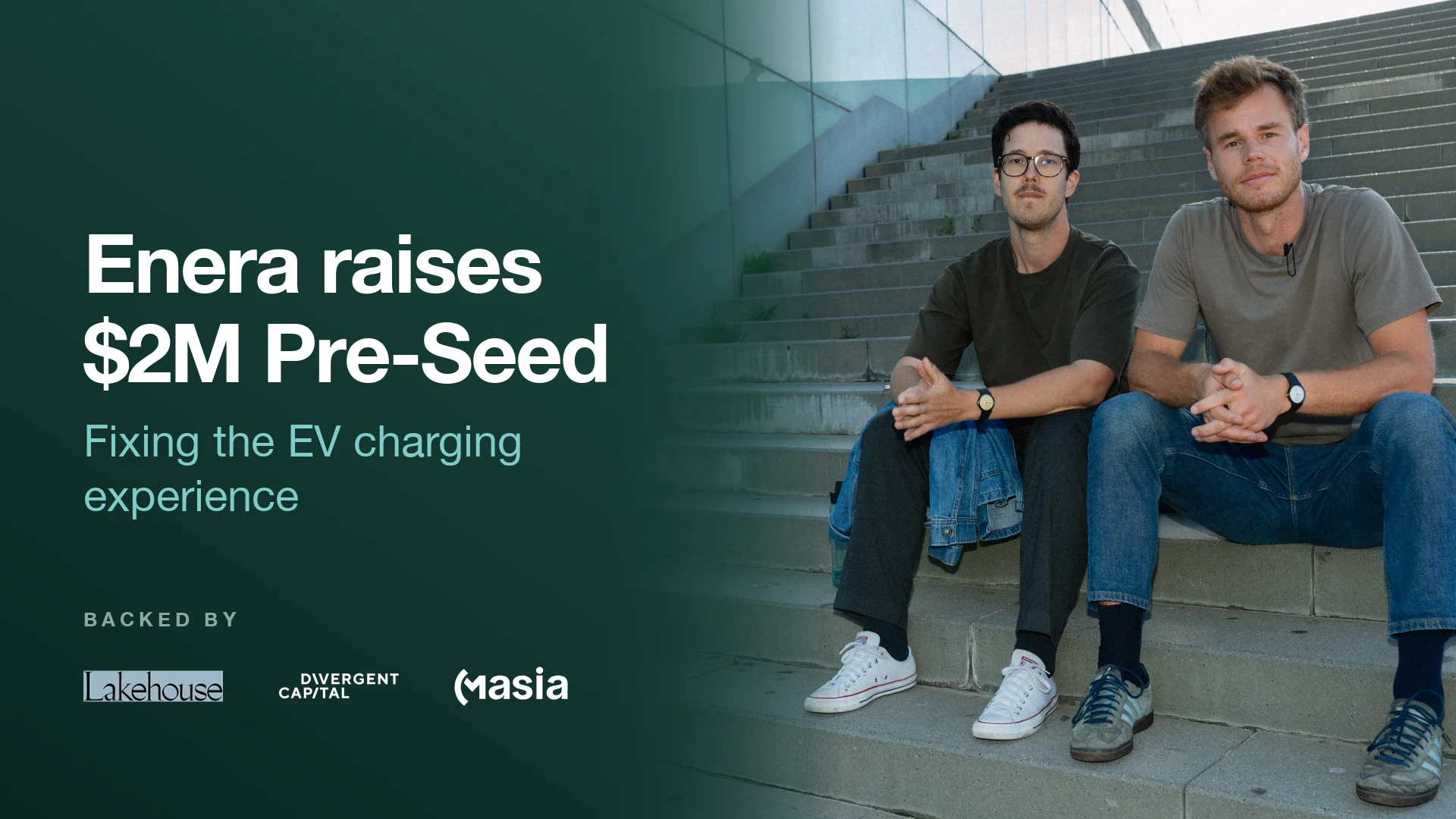
Enera positions itself as an AI-powered driver experience platform built specifically for the EV charging industry. The company focuses on understanding why charging sessions fail and helping operators address those issues before they negatively impact customers. Its platform combines support calls, charger telemetry, backend system logs, and operational data into a centralized control environment designed to identify patterns that traditional monitoring systems may overlook.
The company’s Control Room platform seeks to answer a question many charging operators struggle with at scale: why are drivers unable to successfully charge even when equipment appears operational? By analyzing data across multiple sources, Enera aims to provide visibility into driver-facing issues that are often hidden behind standard uptime metrics.
Beyond diagnostics, the company also deploys AI-powered support agents that can assist drivers in real time. These systems are designed to troubleshoot charging problems, provide technical assistance, monitor network performance, and proactively engage with users before issues escalate. The objective is to reduce the number of failed charging experiences altogether.
The Next Phase of EV Infrastructure Is Intelligence
The first phase of EV infrastructure focused primarily on building charging stations. The second phase concentrated on expanding coverage and improving hardware reliability. The next phase may be defined by intelligence, software, and customer experience. As charging networks mature, competitive differentiation increasingly shifts from physical infrastructure to operational performance and user satisfaction. This evolution mirrors trends seen in other technology sectors where software eventually becomes as important as hardware. In the EV ecosystem, operators are discovering that maintaining chargers is only part of the challenge. Understanding how drivers interact with those systems and resolving friction points quickly may prove equally important.
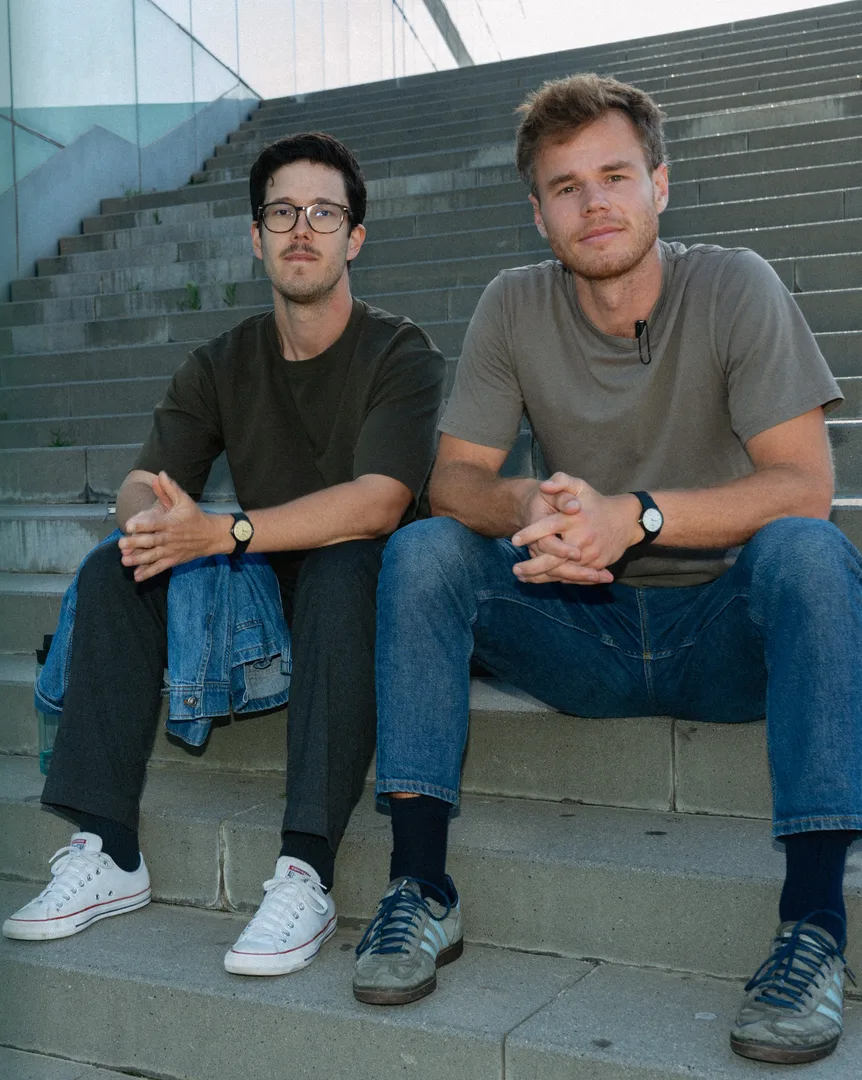
Enera’s approach reflects this transition. The company is less focused on charging hardware itself and more focused on the human experience surrounding charging. By applying AI to customer support, operational diagnostics, and network management, it aims to help charging providers move beyond simple uptime metrics toward a deeper understanding of service quality. As EV adoption continues accelerating globally, charging infrastructure will increasingly be judged not only by how many stations exist but by how reliably drivers can use them. Companies that successfully bridge the gap between infrastructure performance and customer experience may play a critical role in shaping the next chapter of electric mobility.
The EV industry has spent years focusing on batteries, vehicles, and charging infrastructure. Enera highlights a growing realization that the driver experience may become the next major competitive battleground. As charging networks scale, AI-driven operational intelligence could prove just as important as the chargers themselves.