

Advanced Electric Machines and the Future of Rare-Earth-Free Electric Vehicles
The Vision Behind Advanced Electric Machines
The electric motor is at the heart of every electric vehicle, yet much of the EV conversation focuses on batteries. Advanced Electric Machines (AEM) is challenging that imbalance by developing electric traction motors that eliminate the need for rare-earth permanent magnets. The UK-based company believes electric motors can deliver high performance while reducing dependence on materials that create environmental, economic, and supply-chain challenges. Its motors use magnet-free architectures that also eliminate the risk of demagnetisation, while allowing the rotor to freewheel when required. This can improve efficiency and enable vehicles to coast more effectively.
Removing permanent magnets can also simplify certain thermal management requirements. AEM’s ambition extends beyond passenger cars. The company is developing motor technologies for commercial vehicles, off-highway machinery, and rail, targeting applications where efficiency, reliability, durability, and operating costs are critical. This broader focus is significant because the transition to electric transportation will require more than replacing conventional cars. Trucks, buses, construction equipment, agricultural machinery, and trains all need efficient electric propulsion.
Advanced Electric Machines is positioning its technology around this wider electrification opportunity, with the goal of creating electric motors that are high-performing, more sustainable and more resilient. As automakers increasingly examine the entire supply chain behind electric vehicles, reducing dependence on rare-earth materials could become an increasingly important competitive advantage.
The Motors That Set Advanced Electric Machines Apart
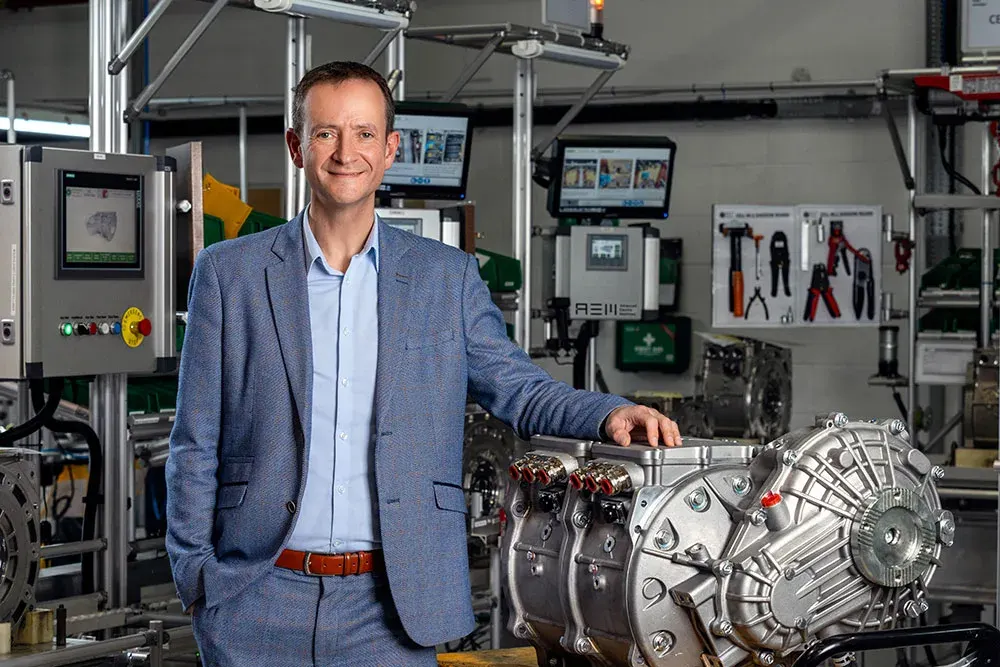
Advanced Electric Machines has developed several motor technologies designed for different transportation requirements, including the HDRM300-2, SSRD, HDRM-150TC, HDRM-300 Systems, and bespoke motor solutions. The HDRM300 platform is designed for demanding commercial vehicle applications, providing a rare-earth-free traction motor architecture focused on high efficiency, torque, durability, and reliability. The technology is designed to work without permanent magnets while providing features such as freewheeling capability and eliminating the risk of demagnetisation.
For lighter commercial vehicles, Advanced Electric Machines has developed the HDRM-150TC, a more compact motor designed around the requirements of applications where weight, packaging, and efficiency matter. The company’s HDRM-300 Systems take the platform further by combining motor technology with drivetrain systems that can be configured for different vehicle requirements. Meanwhile, the SSRD represents AEM’s push into high-performance passenger vehicles. The motor is designed around high power density, efficiency, and high rotational speeds while remaining free of rare-earth magnets. This demonstrates that AEM’s approach is not limited to heavy-duty transportation. The company is attempting to prove that magnet-free motor architectures can compete across multiple performance categories.
AEM also develops bespoke motor technology for customers requiring customized power, packaging, or operating characteristics. Together, these products represent a broader strategy: replace conventional permanent-magnet motor architectures with alternatives that can reduce material dependency without compromising the performance expected from modern electric powertrains.
From Passenger Cars to Rail: Where Its Technology Is Making an Impact
Advanced Electric Machines is targeting four major transportation markets: commercial vehicles, passenger cars, off-highway machinery, and rail. Commercial vehicles such as trucks and buses could benefit significantly from improvements in motor efficiency because these vehicles often travel long distances under heavy loads, making energy consumption a major component of operating costs. AEM’s HDRM technology is designed to provide the efficiency and durability required for these demanding applications while eliminating rare-earth magnets.
Passenger cars represent a different opportunity, where efficiency and power density can directly influence driving range and vehicle performance. AEM’s SSRD technology is designed for this segment, with a focus on delivering high performance from a compact, rare-earth-free motor. The company is also applying its technology to off-highway vehicles, including equipment used in construction and agriculture. These machines often operate under demanding loads and require robust propulsion systems capable of handling challenging duty cycles. Rail is another important application, where efficient electric traction systems can contribute to lower energy consumption across high-mileage transportation networks.
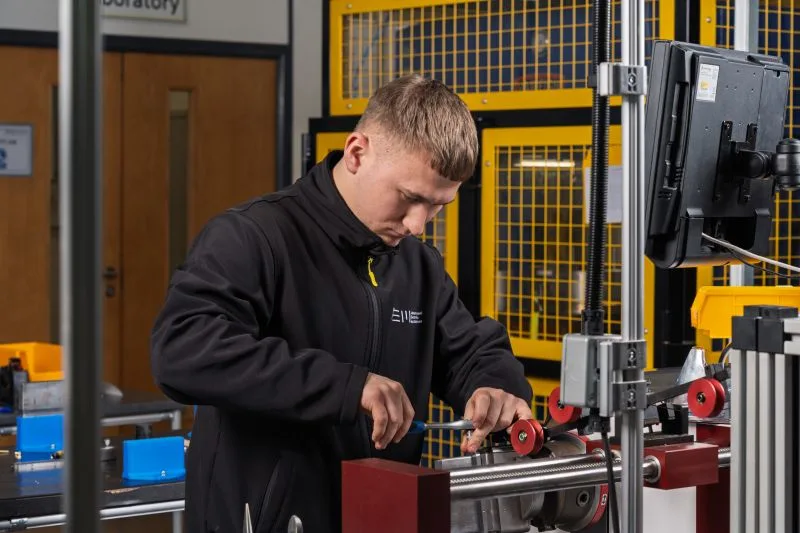
The breadth of these applications shows that Advanced Electric Machines is not simply developing another EV component. It is attempting to build a new generation of electric traction technology that can support electrification across multiple forms of transportation. The biggest challenge now is scale. To compete with established motor technologies, AEM will need to demonstrate that its rare-earth-free architectures can be manufactured economically, integrated easily, and deliver reliable performance at commercial volumes. If it succeeds, the company’s technology could help address two major challenges at once: the growing demand for efficient electric transportation and the industry’s increasing need to reduce dependence on critical materials.