

Temple By Deepinder Goyal
Deepinder Goyal’s Temple: Inside the ₹85,000 Brain-Tracking Wearable Backed by India’s Top Startup Founders
Deepinder Goyal, founder of Zomato and Eternal, has entered the health technology market with Temple, a wearable device designed to monitor physiological signals associated with cerebral blood flow. The product has attracted considerable attention from India’s startup ecosystem, with prominent entrepreneurs, venture capital firms and former Zomato executives investing in the company.
Temple raised $54 million (approximately ₹493 crore) in a funding round announced in February 2026, valuing the company at around $190 million (approximately ₹1,700 crore). Goyal led the round, with participation from Steadview Capital, Peak XV Partners, Info Edge Ventures and Dharana Capital. More than 80 individual investors also participated, according to regulatory filings and media reports.
The list of individual investors includes Kunal Shah, founder of CRED; Vijay Shekhar Sharma, founder of Paytm; Nithin and Nikhil Kamath, co-founders of Zerodha; Varun Alagh, co-founder of Mamaearth; Vikram Chopra, co-founder of CARS24; Abhiraj Singh Bhal, co-founder of Urban Company; and entrepreneur and podcaster Raj Shamani. More than 30 Temple employees also invested in the funding round at the same valuation. Several current and former Eternal executives participated as well.
Temple’s valuation subsequently increased through an employee stock ownership plan liquidity programme. In July 2026, the company initiated a programme that valued it at $375 million, nearly twice its February valuation. Around 20 employees were eligible to sell up to 25% of their vested shares. Goyal also told employees that external investors had expressed interest in the company at a $500 million valuation. This was an expression of investor interest, not a completed funding round at that valuation.
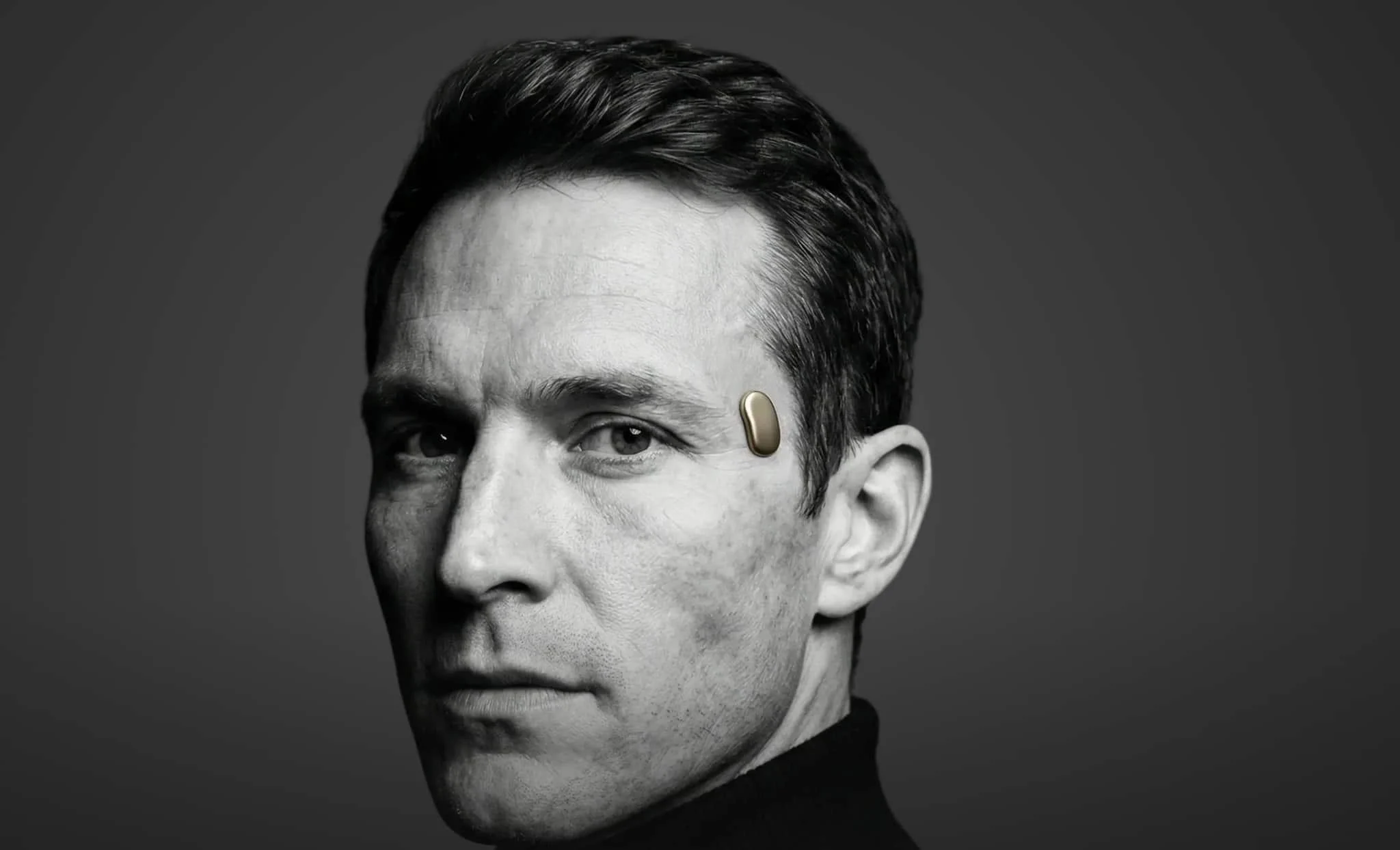
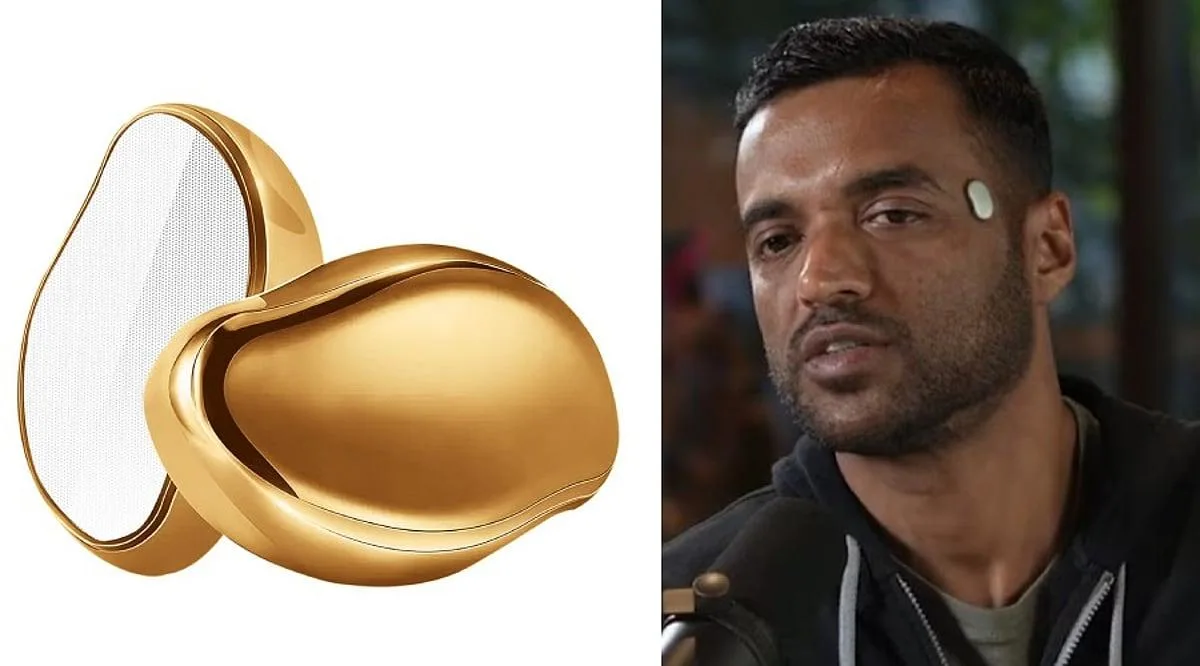
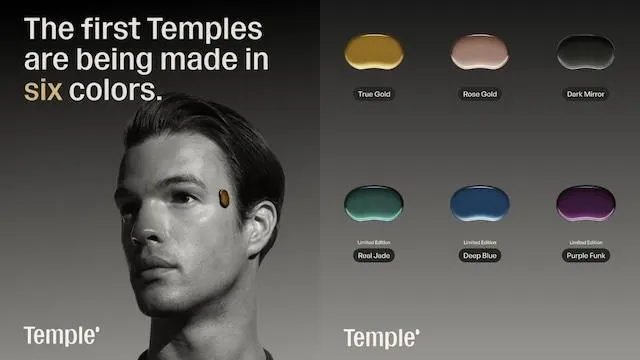
The company’s flagship product is a compact wearable attached to the side of the head, near the temple, using adhesive patches called Grips. Its primary technology, BrainFlow, uses optical sensors to track changes in signals associated with cerebral blood flow. The device also provides a proprietary metric called Entropy, which ranges from 1 to 250 and is intended to indicate physiological strain. Temple has additionally introduced the concept of Momentum, which relates to an individual’s baseline and physiological performance threshold.
Unlike conventional smartwatches, Temple focuses on measurements associated with brain physiology rather than primarily tracking steps, workouts and heart rate. The company aims to help users understand how their bodies respond to exercise, sleep, stress and other physiological demands. However, the device is intended for wellness and research purposes and should not be considered a medical diagnostic tool.
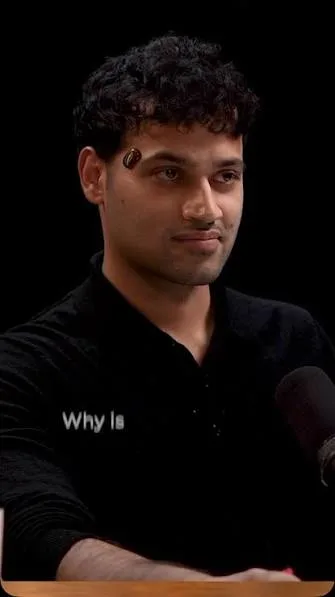
The product has also gained visibility through prominent personalities. Indian badminton player PV Sindhu and cricketer Shubman Gill have been spotted wearing Temple. Entrepreneur Raj Shamani has also featured the device in podcast-related appearances. Their association has contributed to public interest in the wearable, although wearing or testing a product does not independently establish its scientific effectiveness.
Temple has begun accepting consumer pre-orders in India. Its first batch, Batch 01, is priced at ₹85,000, with deliveries expected approximately three months after ordering. The package reportedly includes lifetime software access, personal onboarding, a charging pod, a lifetime supply of Grips and access to the company’s device replacement programme under specified terms. The company is following a made-to-order manufacturing approach for its initial consumer batch.
The scientific evidence behind Temple remains an important consideration. A September 2026 preprint published on medRxiv examined the device against transcranial Doppler ultrasound in 23 healthy adults during exercise and changes in body posture. Researchers reported significant correlations between It’s BrainFlow index and blood-flow velocity measurements. However, the study was funded by Temple, has not established clinical diagnostic applications, and further independent research is required to establish its accuracy and cerebral specificity.
With $54 million in disclosed funding, backing from prominent Indian entrepreneurs and a ₹85,000 consumer product, it has emerged as an ambitious venture in India’s health technology sector. Its long-term commercial and scientific success will depend on the reliability of its measurements, independent validation and the practical value it delivers to users.