

ISRO’s NVS-03 Satellite: Strengthening India’s Indigenous Navigation System
How NVS-03 Strengthens NavIC, National Security and India’s Technological Independence?
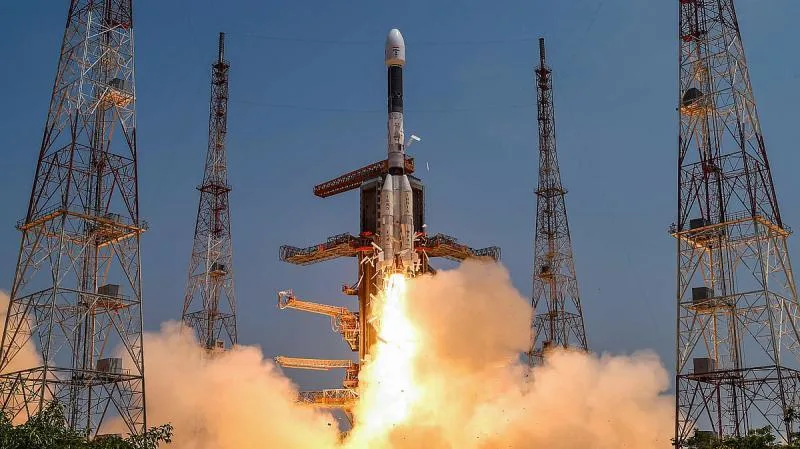
India has taken another significant step towards strengthening its indigenous space infrastructure with the successful launch of the NVS-03 navigation satellite by the Indian Space Research Organisation (ISRO) on October 30, 2026. The satellite was launched aboard the GSLV-F18 rocket from the Satish Dhawan Space Centre in Sriharikota, Andhra Pradesh, at 11:51 pm IST. The mission marks an important development in India’s efforts to strengthen its independent satellite navigation system, Navigation with Indian Constellation (NavIC).
GSLV-F18 was the 20th flight of India’s Geosynchronous Satellite Launch Vehicle. The rocket successfully placed the approximately 2,250 kg NVS-03 satellite into Geosynchronous Transfer Orbit (GTO). NVS-03 is the third satellite in India’s second-generation navigation satellite series, designed to ensure continuity and improve the availability of navigation services under NavIC. The mission also marked a notable operational milestone, with ISRO achieving a turnaround time of 56 days between two successive GSLV missions.
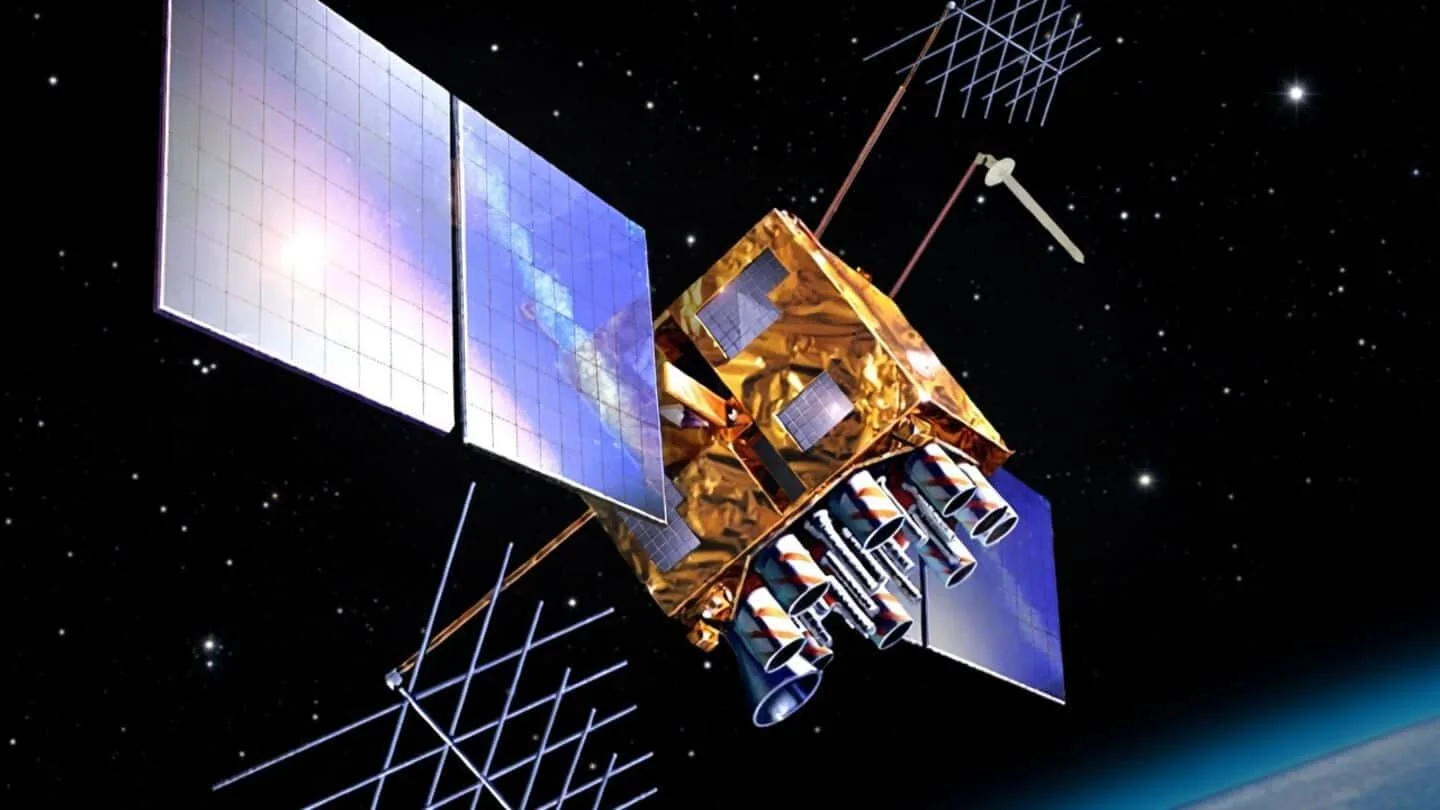
The significance of NVS-03 lies in the technology it carries. One of its key features is an indigenously developed atomic clock, alongside procured atomic clocks. Precise timekeeping is fundamental to satellite navigation because navigation receivers calculate their positions using the time taken by signals to travel from satellites to the receiver. Even small timing errors can affect positioning accuracy. The inclusion of indigenous atomic clock technology strengthens India’s capabilities in developing and operating critical navigation infrastructure.
Another important advancement is the inclusion of the L1 frequency band, in addition to the existing L5 and S bands. The additional frequency improves the system’s compatibility with a wider range of navigation receivers. This is relevant for applications involving vehicles, smartphones and other location-enabled devices, provided they support the required NavIC signals. NVS-03 is designed to support navigation coverage across India’s landmass and a region extending approximately 1,500 kilometres beyond its geopolitical boundary.
NavIC has considerable strategic importance for India. Several countries and regions operate their own satellite navigation systems, including the United States’ GPS, Russia’s GLONASS, Europe’s Galileo and China’s BeiDou. India’s indigenous system gives the country greater control over its positioning, navigation and timing services. This capability is particularly important for national security, where dependable navigation infrastructure supports military aviation, maritime operations and other strategic applications.
The benefits extend to civilian sectors as well. In agriculture, satellite-based positioning can support precision farming, location-based crop monitoring and the efficient operation of agricultural machinery. In transportation and logistics, NavIC can support vehicle tracking, fleet management, railway applications and maritime navigation. These applications can improve operational efficiency and support better utilisation of resources.
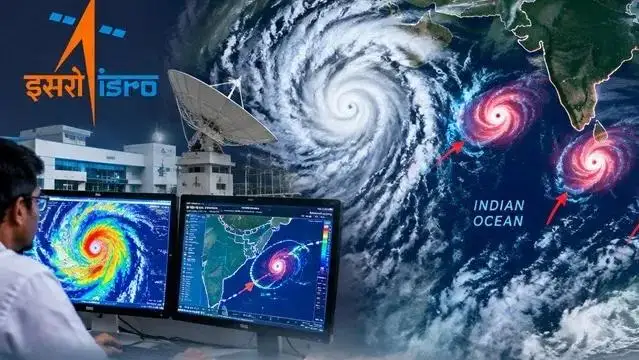
Disaster management is another important area. Satellite-based positioning and timing services can assist emergency response teams in coordinating rescue operations and locating assets. NavIC also supports alert dissemination to fishermen, including in areas where conventional mobile connectivity may be limited. Such capabilities are particularly relevant for India’s extensive coastline and cyclone-prone regions.
Accurate timing has applications beyond navigation. Telecommunications networks, electricity grids and financial infrastructure depend on reliable time synchronisation. India’s indigenous timing and positioning capabilities can support these critical systems and strengthen technological resilience.
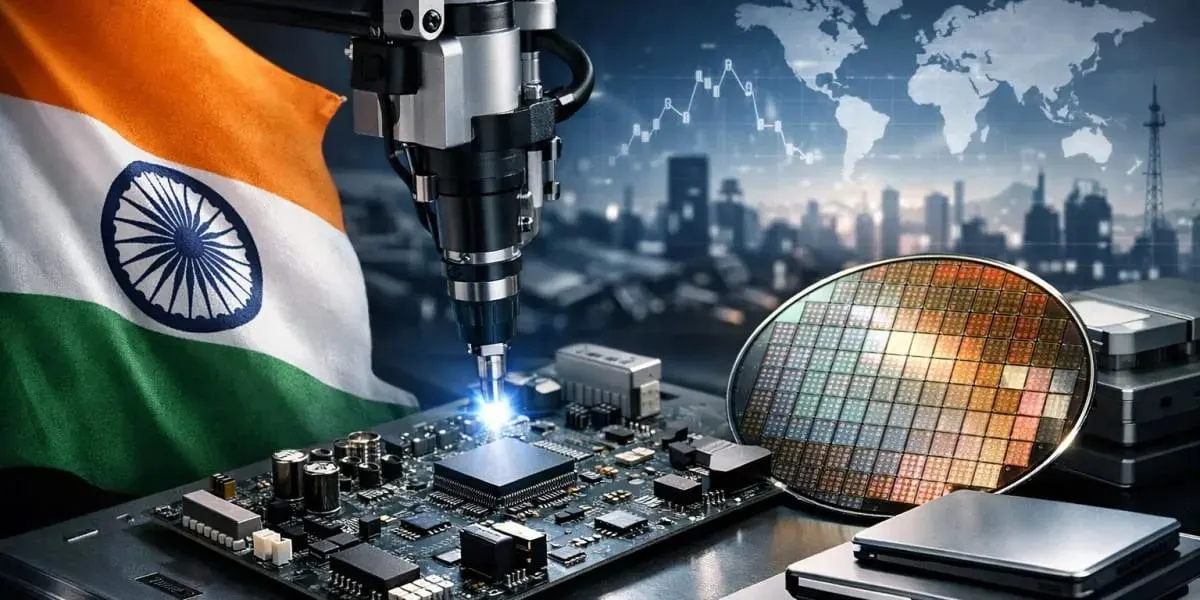
The mission also holds significance for India’s domestic technology industry. Greater adoption of NavIC can encourage the development and manufacture of compatible receivers, semiconductor components, automotive tracking devices and other navigation equipment within the country. This creates opportunities for Indian electronics manufacturers, technology companies and research institutions to participate in the growing satellite navigation ecosystem.
NVS-03 is part of a larger programme involving five second-generation navigation satellites, designated NVS-01 to NVS-05. Its successful launch strengthens the programme’s progress, although the full benefits depend on the wider satellite constellation, ground infrastructure and adoption of compatible receivers.
With NVS-03, ISRO has advanced India’s efforts to maintain an independent and reliable satellite navigation system. The mission demonstrates the country’s growing capabilities in precision timing, satellite engineering and launch operations. For India, strengthening NavIC is an important investment in strategic autonomy and the technological infrastructure required by a modern economy.