

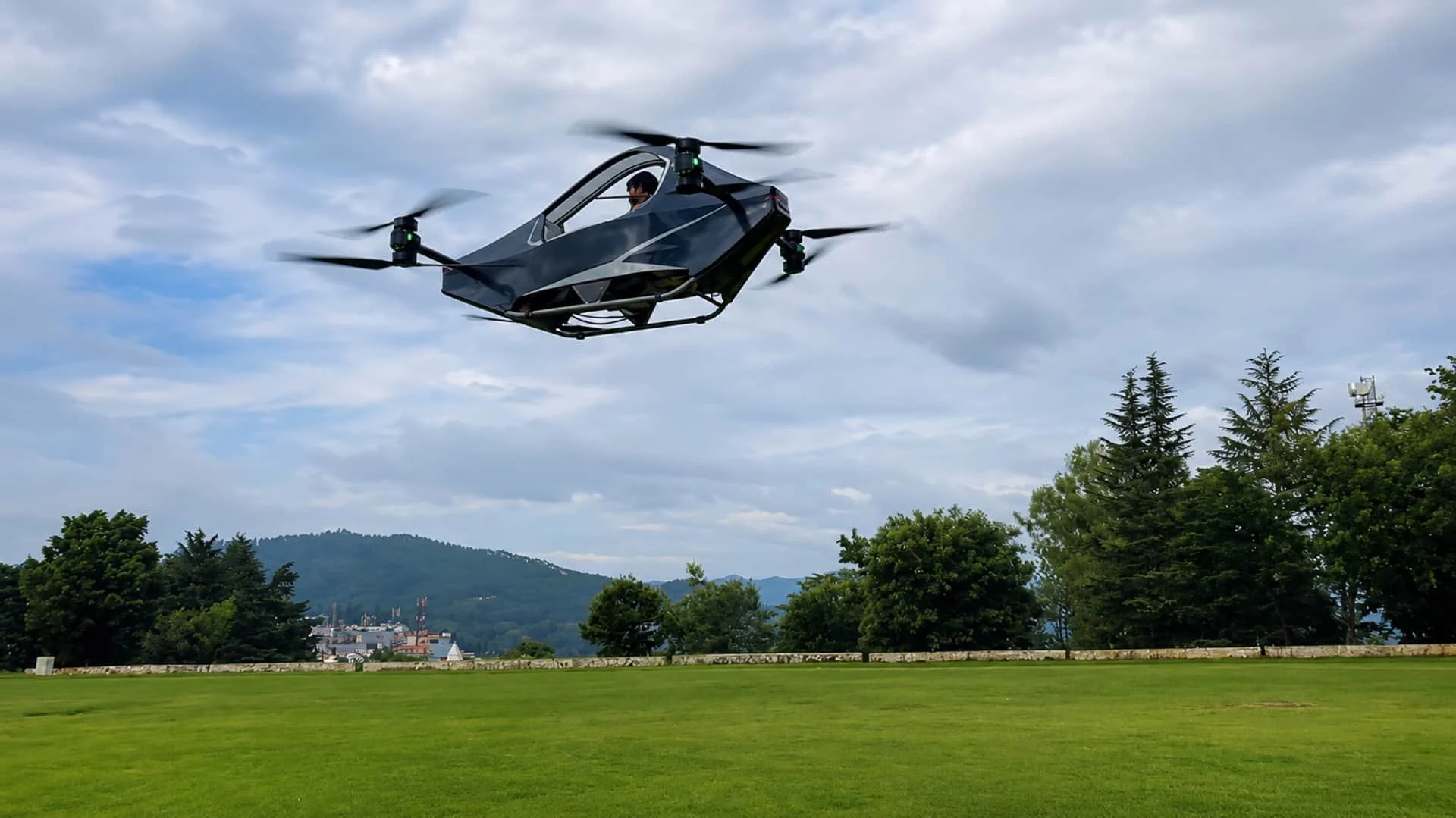
Ravi Tamta’s HAPIDA SKYNeX: The Electric Flying Car Developed in Uttarakhand
Ravi Tamta’s inspiring story: From a BA Graduate in Almora to Building an Electric Flying Vehicle
A young innovator from Uttarakhand’s Almora district has drawn national attention after successfully test-flying an electric-powered personal flying vehicle developed through years of independent learning and experimentation. Ravi Tamta, founder and CEO of Hapida Sky Private Limited, has built a single-seat prototype called HAPIDA SKYNeX in Kaflikhan village, near Jageshwar Dham.
Tamta’s interest in developing a flying vehicle dates back to 2015. According to media reports, he has spent around 13 years learning, researching and experimenting with the technology. His objective is to develop a personal flying vehicle that could address transportation challenges in mountainous regions, where winding roads and difficult terrain often make relatively short journeys time-consuming.
The prototype completed its maiden test flight on August 7, 2026, at an Army helipad in Almora. Tamta remained airborne for approximately one minute during the initial demonstration, conducted in the presence of district officials. The vehicle uses electric propulsion and modified multirotor drone technology to achieve vertical take-off and landing. Its design features a single-seat cockpit, a lightweight frame and multiple electric motors and propellers.
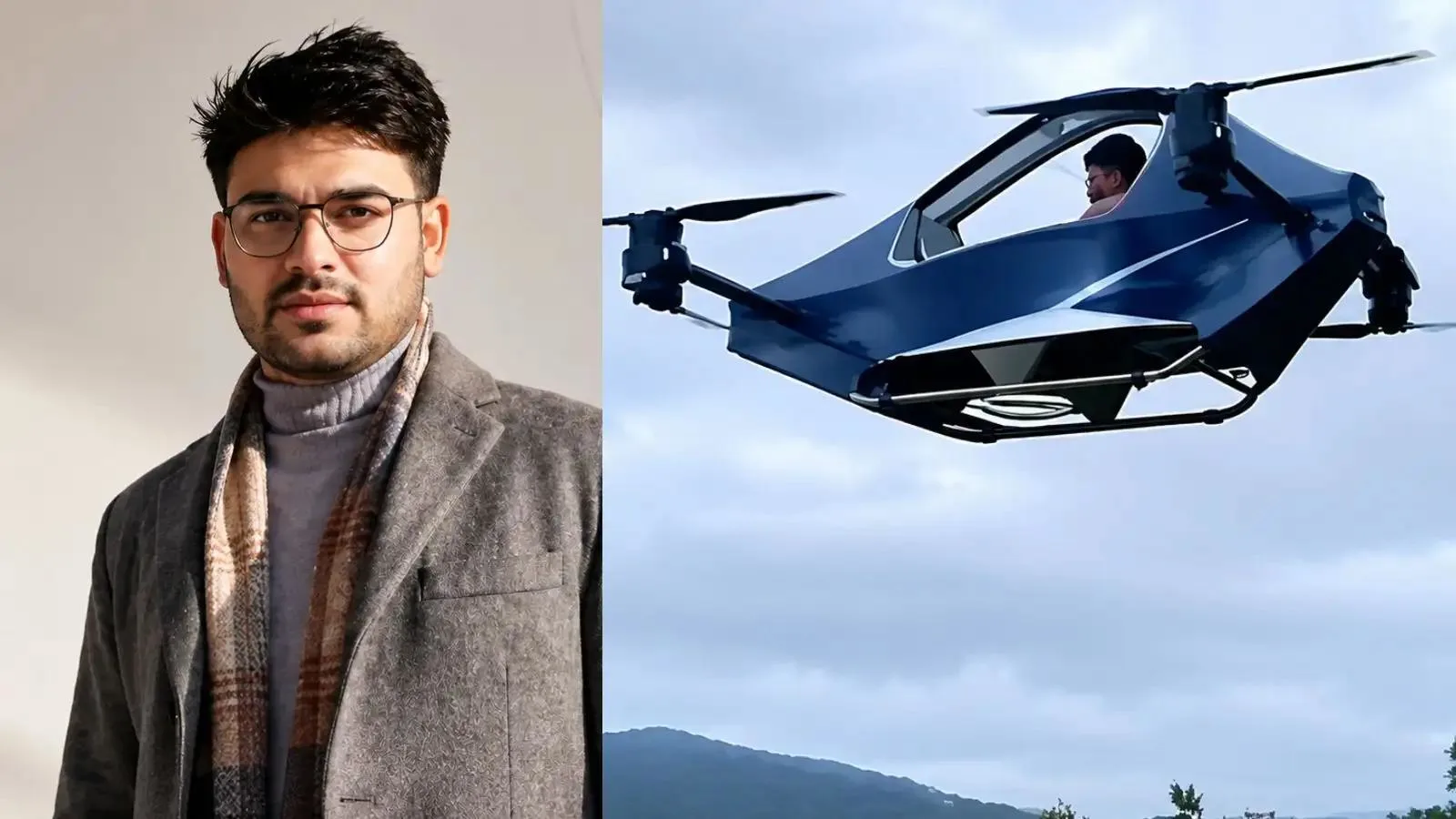
Tamta developed the prototype despite having no formal engineering or science education. He completed his early schooling in his village and graduated with a Bachelor of Arts degree from Kumaun University’s Nainital campus. He relied on internet resources, independent research and practical experimentation to acquire the technical knowledge required for the project. His father, Harish Ram, is a motor mechanic, and his family reportedly supported his work.
Before developing SKYNeX, Tamta worked on several other innovations. These include a smart walking stick for people with disabilities, mobile-phone charging shoes, firefighting equipment for the Forest Department, a bamboo-splitting machine and an electrolyte pump machine for electric vehicles. He has also developed a pine-peat processing machine that is reportedly supplied to the Forest Department.
The vehicle’s development involved sourcing components from different locations. According to Dainik Jagran, Tamta travelled to China approximately two years before the maiden flight to purchase certain components. He also sourced an engine from Tamil Nadu and assembled the prototype at his home in Uttarakhand. However, the total development expenditure has not been publicly disclosed. Tamta told The Tribune in October 2026 that the project had not received financial assistance from the state government or any other institution. No confirmed venture capital or angel investment has been publicly reported.
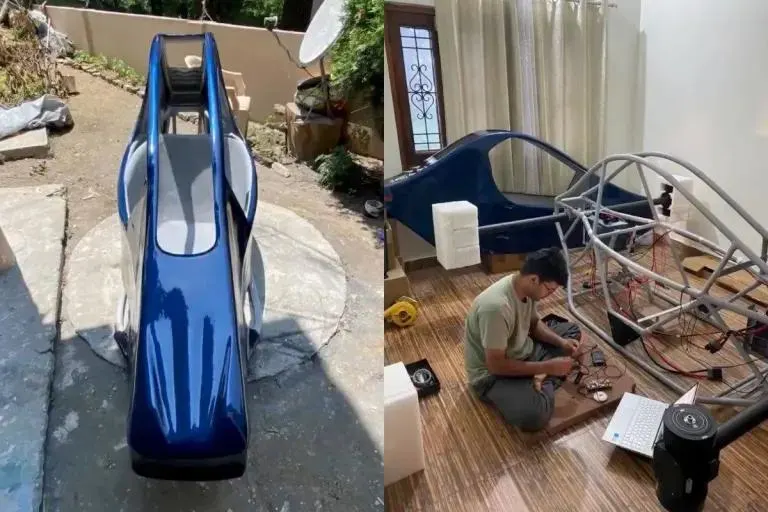
Detailed engineering specifications of HAPIDA SKYNeX remain unavailable. The prototype is described as a single-seat, battery-powered electric flying vehicle based on multirotor technology. Its verified battery capacity, motor power, payload, flight range, charging time and maximum altitude have not been published. Although a speed of 200 kmph has been mentioned in a Dainik Jagran report, this figure has not been independently validated. Similarly, the approximately one-hour flight endurance mentioned in The Tribune is an expectation, not a demonstrated performance figure.
Tamta is currently working on upgrading the single-seat prototype into a two-seater version. In an October 31, 2026, interview with The Tribune, he said the target was to prepare the upgraded vehicle for final trials and potential commercial use in 2027. He envisages applications in remote Himalayan connectivity and medical emergencies, particularly where difficult road access delays hospital journeys.
The project will require further technical testing, safety validation and the necessary aviation regulatory approvals before commercial operations can begin. For now, HAPIDA SKYNeX remains an experimental prototype. Its maiden flight marks an important development milestone for Tamta and his efforts to build an indigenous electric personal flying vehicle in Uttarakhand.