

Sputnik Brain: Inside India’s Ambitious Brain-Modulation Startup
Sputnik Brain’s Journey From Samsung and UNDP Recognition to Developing Non-Invasive Brain Technology
Bengaluru-based Sputnik Brain is working on a technology that aims to influence human brain activity without surgical implants or medication. The deep-tech research and development startup is building a non-surgical neural interface focused on brain modulation, with the long-term ambition of making access to the brain more accessible and addressing human suffering through neuroscience.
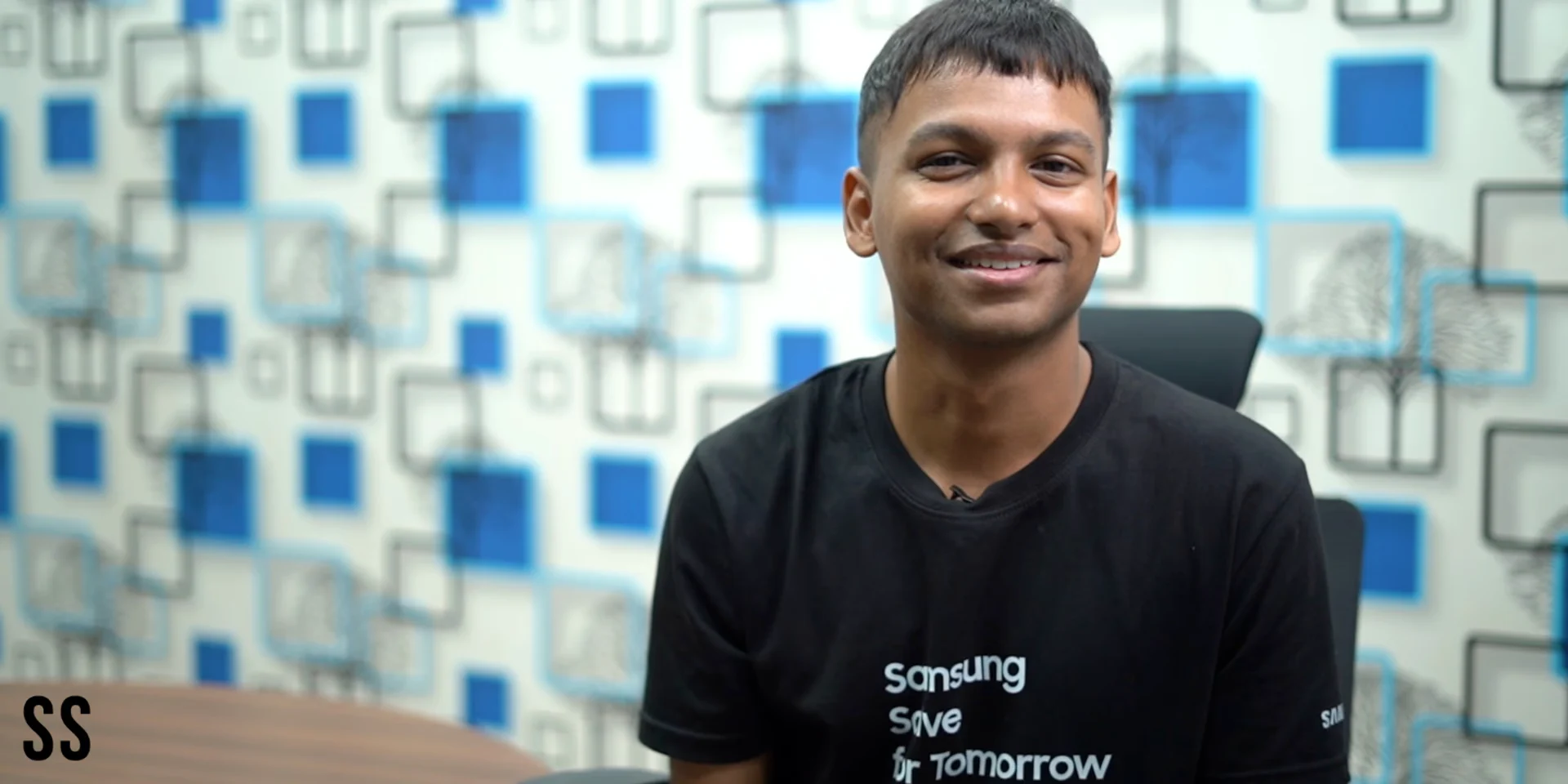
Founded by Shankar Srinivasan, Sputnik Brain first gained national attention in 2022 when it emerged as one of the three winning teams in Samsung’s inaugural Solve for Tomorrow competition in India. The competition received more than 18,000 registrations, with Sputnik Brain recognised for its proposed wearable technology aimed at stress reduction through brain modulation. The three winning teams received a combined grant of ₹1 crore and six months of incubation support from the Foundation for Innovation and Technology Transfer (FITT) at IIT Delhi.
According to Samsung’s announcement, Srinivasan’s initial concept centred on developing a wearable device that could help reduce stress through non-invasive brain stimulation. The proposed approach sought to influence mood-related brain regions using stimulation within specified frequency, intensity and pulse repetition limits. The idea emerged from his interest in finding technology-based approaches to stress management without relying on chemical interventions.
Sputnik Brain subsequently received recognition through the United Nations Development Programme’s Youth Co:Lab initiative in India. The startup identifies itself as one of the 12 shortlisted grant recipients under the programme. It was also named the winner of IIT Kharagpur’s Empresario entrepreneurship competition, according to the company’s LinkedIn profile. These recognitions have helped establish its presence within India’s emerging deep-tech and innovation ecosystem.
The company describes itself as backed by Samsung, the United Nations Development Programme and IIT Madras. Its current mission extends beyond the initial stress-management application. Sputnik Brain says it is developing a non-surgical neural interface intended to merge with the human brain and make non-invasive brain modulation more accessible. Its stated ambition is to develop and distribute infrastructure that can help address suffering through direct interaction with brain activity.
The technology falls within the broader field of neuromodulation, which involves influencing neural activity through external stimulation or other interventions. This is distinct from a conventional brain-computer interface that primarily reads brain signals and translates them into commands for external devices. Sputnik Brain’s stated focus is on brain modulation, although the company has not publicly disclosed sufficient technical details to establish its precise stimulation mechanism, hardware architecture or neural targeting capabilities.
The scientific areas relevant to this approach include brain regions associated with reward, motivation and emotional processing. The ventral tegmental area and nucleus accumbens, for example, play important roles in the brain’s reward circuitry. However, the company’s public disclosures do not establish that its technology can precisely or reliably modulate these deeper structures in humans.
Sputnik Brain’s website currently identifies the venture as being in research and development and operating in stealth mode. It is seeking potential collaborations with clinicians, universities, companies, creators and governments. Detailed technical specifications, independently validated experimental results and clinical trial findings are not currently available in its public-facing materials.
Its institutional recognition provides an indication of the interest its original concept has generated. The next significant milestone will be demonstrating the technology through transparent research, reproducible results and evidence of safety. For a startup working at the intersection of neuroscience and deep technology, establishing that scientific foundation will be central to assessing the feasibility of its long-term mission.