

Humble Robotics Raises $51 Million to Advance Its Cabless Autonomous Electric Freight Trucks
San Francisco-based Humble Robotics autonomous mobility startup and $51 million Series A funding
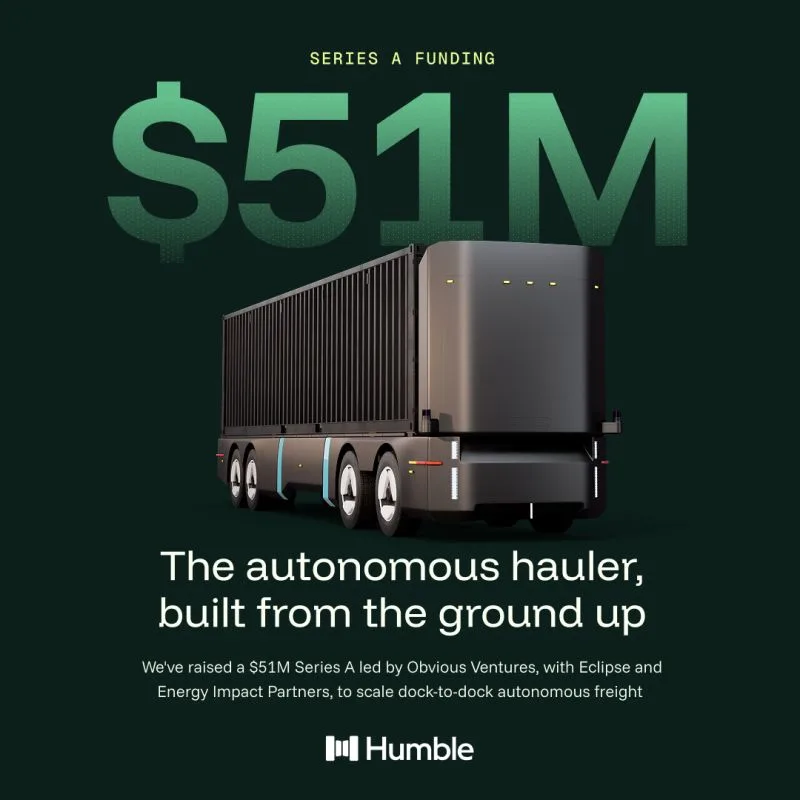
Humble Robotics, a San Francisco-based autonomous mobility startup, has raised $51 million in Series A funding to advance the development and commercial deployment of its autonomous electric freight vehicles. Led by Obvious Ventures, the round also saw participation from existing investors Eclipse Ventures and Energy Impact Partners. The latest investment takes the company’s total funding to $75 million, following a $24 million seed round announced in April 2026.
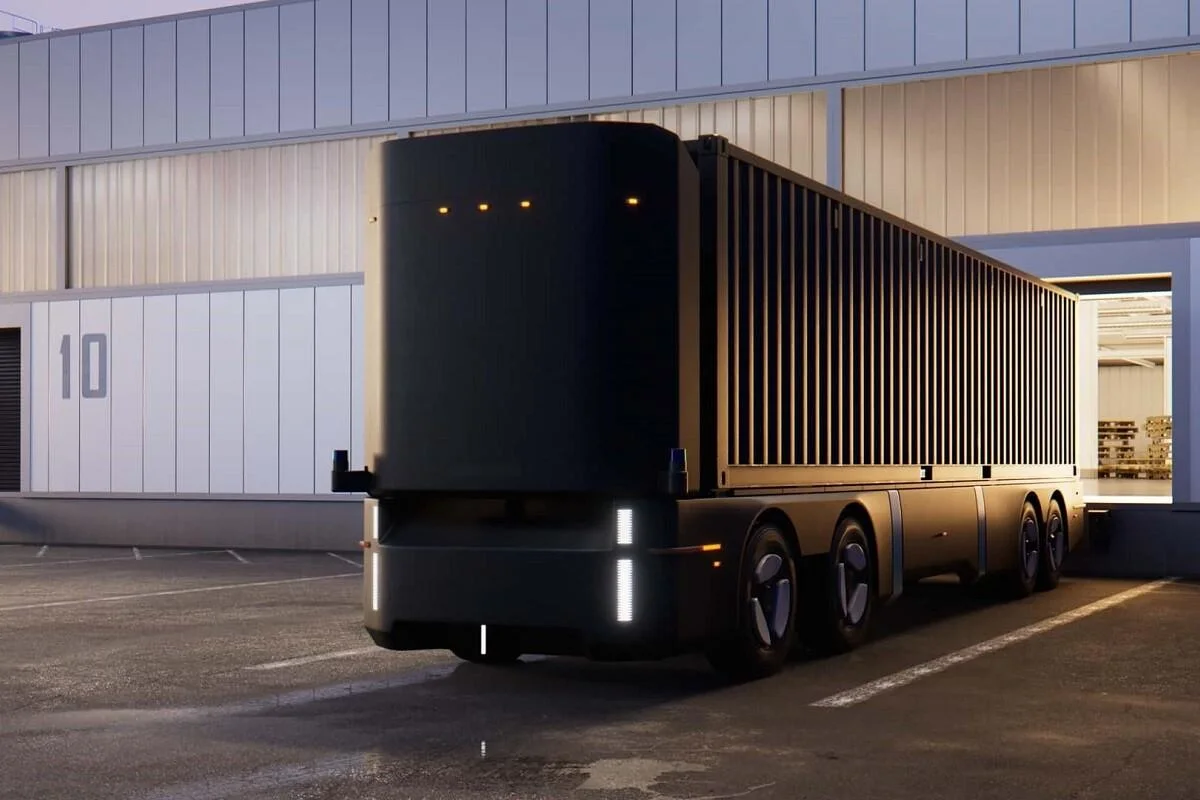
Founded by Eyal Cohen, Humble Robotics is developing autonomous, battery-electric freight vehicles designed to transport cargo across ports, warehouses, rail yards and distribution centres. Its flagship vehicle, the Humble Hauler, is a cabless Class 8 electric hauler built to handle freight transportation without a human driver onboard. The company is targeting short-distance and regional freight operations, particularly routes involving repeated movements between logistics facilities.
The Humble Hauler departs from the conventional tractor-trailer configuration by eliminating the driver’s cabin and integrating the vehicle and cargo platform into a single system. The design is intended to reduce vehicle weight, increase payload capacity and lower operating costs. According to the company, the vehicle is approximately 20% lighter than a traditional tractor and trailer combination. It has a claimed maximum range of 200 miles, a top speed of 55 mph and zero tailpipe emissions.
The vehicle is designed to accommodate shipping containers and other freight configurations. Its initial applications include port drayage, where containers move between port terminals and nearby warehouses, and regular transportation between manufacturing plants and distribution centres. Other targeted use cases include moving containers within rail yards and transporting freight between a logistics operator’s terminals, cross-docks and sorting facilities. The company also identifies dock-to-dock transportation as a central part of its operating model.
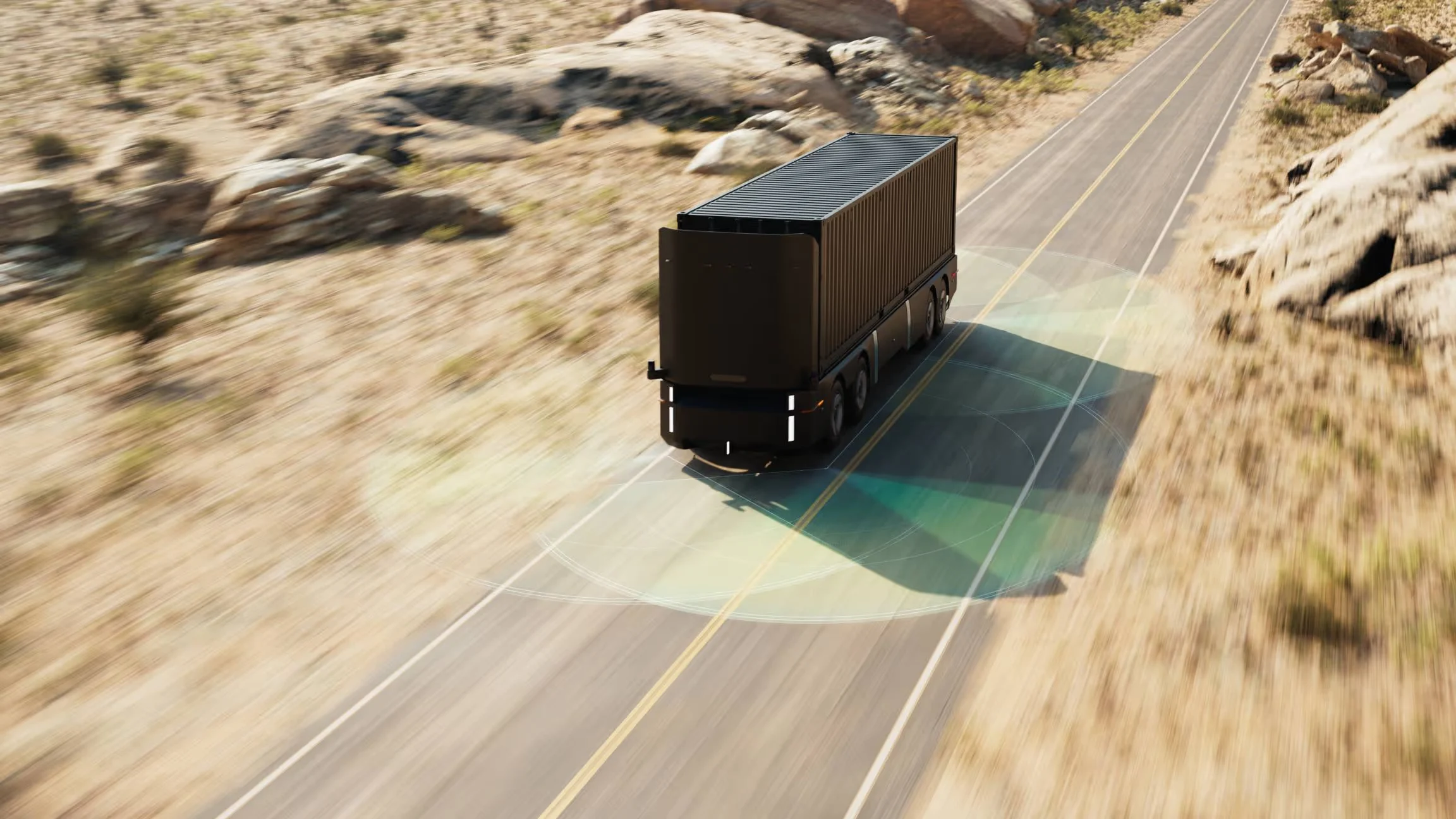
Autonomous driving is powered by Humble’s vision-first technology, which combines cameras, LiDAR and radar to provide 360-degree awareness of the vehicle’s surroundings. The company is also developing its autonomy system around Vision-Language-Action (VLA) models. These models are designed to interpret real-world environments, understand driving situations and translate that understanding into vehicle actions. Humble says this approach enables its vehicles to respond to situations beyond individually programmed scenarios. Its safety architecture also includes predictive safety systems, redundant fail-safe mechanisms and independent controls.
The company’s technology is being developed for the specific requirements of commercial freight environments, where vehicles must navigate loading docks, industrial facilities and other operational areas. Humble also offers a full-service operating model that includes remote operational support and charging assistance. Its website describes the Humble Hauler as a dock-to-dock transportation solution capable of handling freight movements through different stages of a logistics operation.
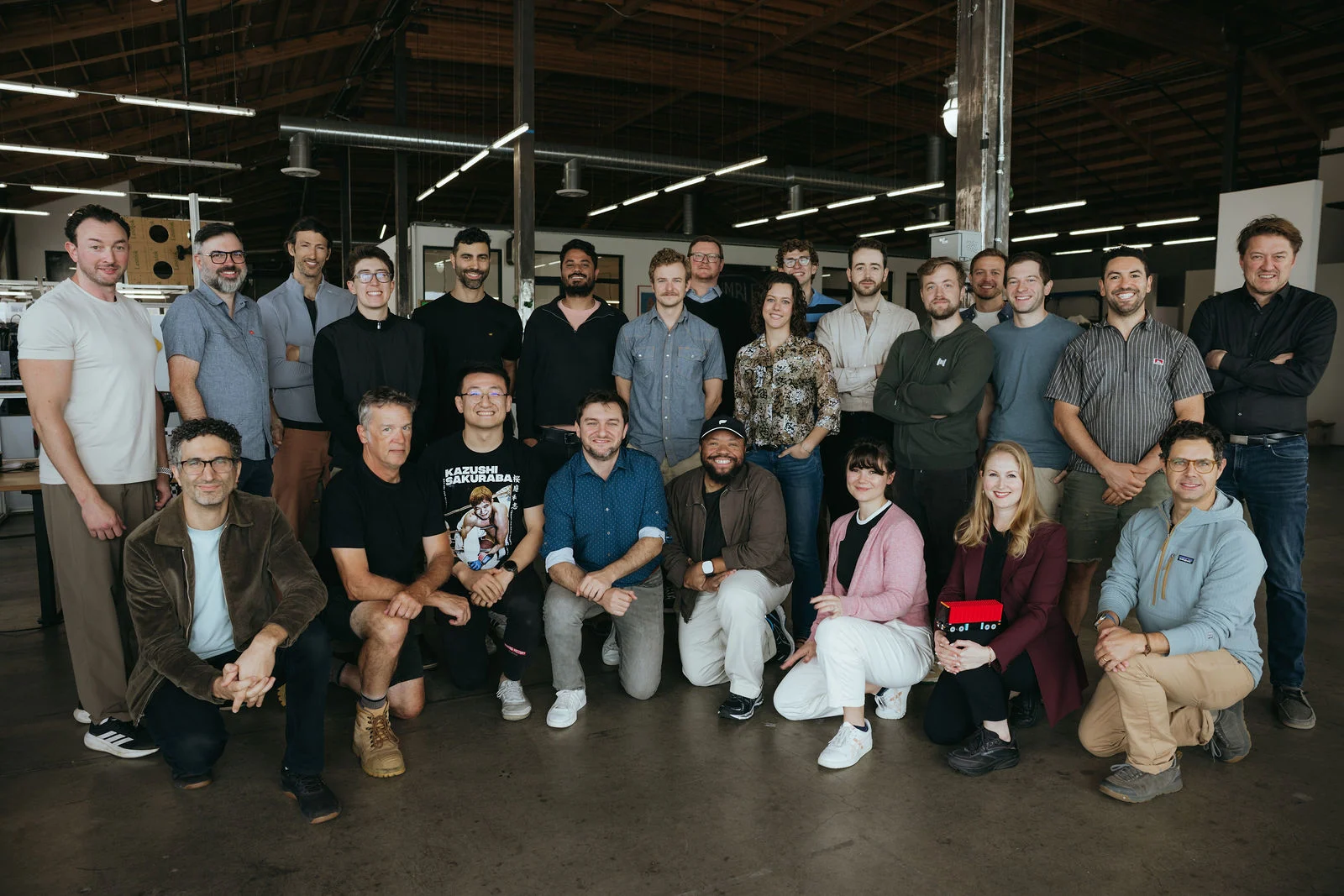
Humble Robotics is led by founder and CEO Eyal Cohen, whose professional experience spans autonomous driving, vehicle electrification and logistics technology. The company says its engineering and logistics team includes professionals with backgrounds at Google, Uber, Apple, Tesla and Rivian. Cohen’s previous experience includes work at Apple, Uber and autonomous trucking company Waabi. The startup is backed by Eclipse Ventures, Energy Impact Partners and Obvious Ventures.
The latest funding will support customer pilots, testing and validation, early manufacturing, and the development of additional vehicle configurations. Humble is also working with logistics customers, industry partners and regulators as it prepares for commercial deployment. Its initial focus on regional routes reflects the company’s assessment that shorter, repeatable freight movements offer suitable operating conditions for autonomous electric vehicles.
The company is entering a market that already includes autonomous trucking developers such as Aurora Innovation, Kodiak AI and Waabi. However, Humble’s approach differs in its decision to develop the vehicle platform and autonomous driving technology together, rather than adapting conventional truck platforms for driverless operations.
Humble Robotics has moved beyond the initial concept stage and developed its first Humble Hauler prototype. However, the company has yet to establish large-scale commercial freight operations. Customer pilots are planned for 2027, while commercial deployment is targeted for the third quarter of 2027, subject to testing and regulatory approvals.
With $75 million in total funding, Humble Robotics is now preparing to move from prototype development towards customer testing and early manufacturing. The progress of its pilots will be an important measure of how effectively its cabless electric platform and autonomous driving technology can operate within existing freight and logistics networks.