

Standard Bots Represent the Next Generation of Robotics!
Why Humanoid Robots Aren’t the Biggest Story in Robotics?
The robotics industry is currently captivated by humanoid robots. Videos of machines walking, running, and performing human-like tasks routinely attract global attention and billions of dollars in investment. Yet the most significant transformation in robotics may not come from humanoids at all. Most factories, warehouses, and production facilities do not need robots that resemble people. They need robots that can perform repetitive, physically demanding, and precision-driven tasks reliably and cost-effectively. This is where Standard Bots sees its opportunity.
The company believes the next major phase of robotics adoption will be driven by practical industrial systems rather than futuristic humanoid platforms. Its focus is not on replicating human appearance but on simplifying robot deployment so that manufacturers can automate processes without specialized robotics expertise. In many ways, this reflects a broader shift in the robotics industry from technological spectacle toward operational utility. The question is becoming less about whether robots can mimic humans and more about whether they can create measurable productivity gains in real-world environments.
How Standard Bots Make Industrial Robots Easier to Deploy?
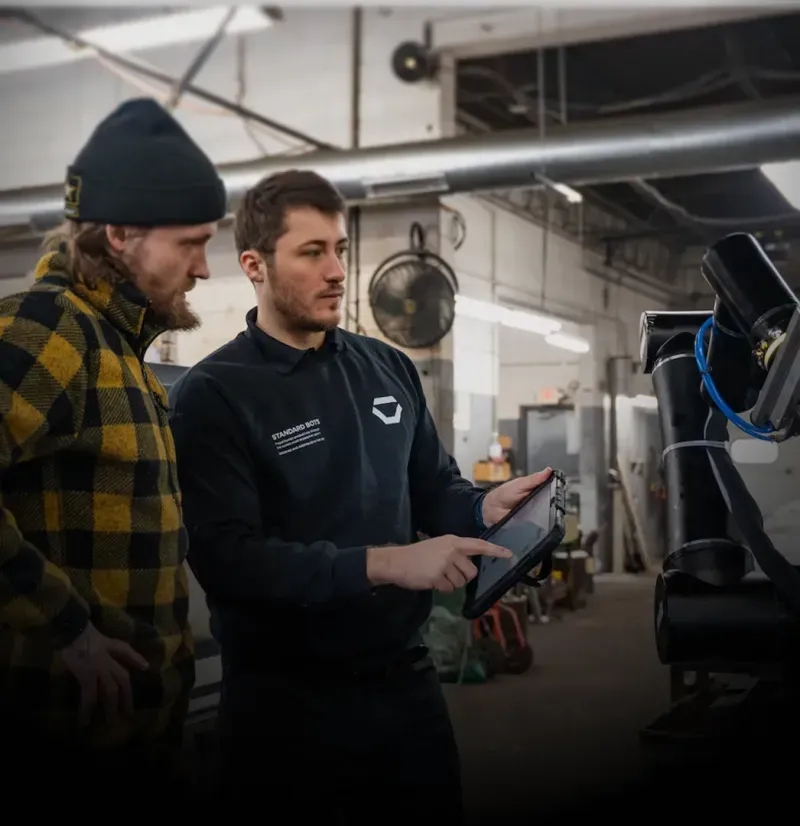
One of the biggest barriers to industrial automation has historically been complexity. Traditional industrial robots often require specialized programming, expensive integration projects, and lengthy deployment timelines. For many manufacturers, particularly smaller organizations, these requirements make automation difficult to justify. Standard Bots is attempting to remove those barriers through an AI-native approach. Rather than requiring engineers to program every movement manually, the company allows users to teach robots through demonstration. An operator can show the robot how a task should be performed, and the system learns the workflow directly. This significantly reduces the technical expertise required to deploy automation.
The company positions this model as a major departure from traditional robotics. Instead of relying on consultants and custom integrations, manufacturers can deploy robots more quickly and adapt them to changing workflows with greater flexibility. As labor shortages and production pressures continue affecting manufacturing industries globally, easier deployment may become just as important as robot performance itself. The result is a robotics platform designed to lower the friction associated with automation adoption.
The Rise of AI-Native Manufacturing
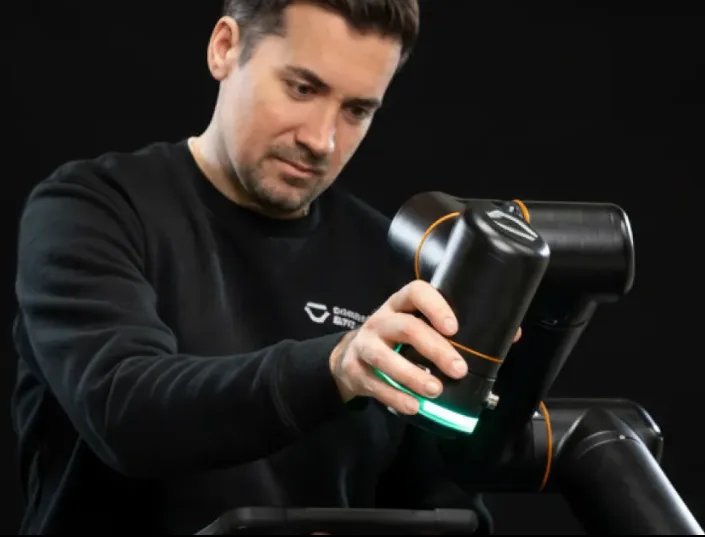
Standard Bots is part of a broader movement toward AI-native manufacturing systems. In this model, artificial intelligence is not simply an additional feature layered onto industrial equipment. It becomes a core capability that shapes how machines learn, adapt, and interact with their environments. The company is also pursuing a vertically integrated manufacturing strategy. According to Standard Bots, it designs most of its own components, including actuators, and assembles products internally. The company is expanding its New York production facility while working toward greater domestic manufacturing capacity.
This approach aligns with growing interest in rebuilding industrial capabilities within the United States. Manufacturing resilience, supply chain security, and domestic production have become strategic priorities across multiple industries. By combining AI-driven robotics with local manufacturing infrastructure, Standard Bots is positioning itself within both trends simultaneously. The company’s vision extends beyond selling robots. It is attempting to build an ecosystem where intelligent automation becomes accessible to a much broader range of manufacturers than traditional robotics markets have historically served.
What the Real Robotics Revolution Means for the Future?
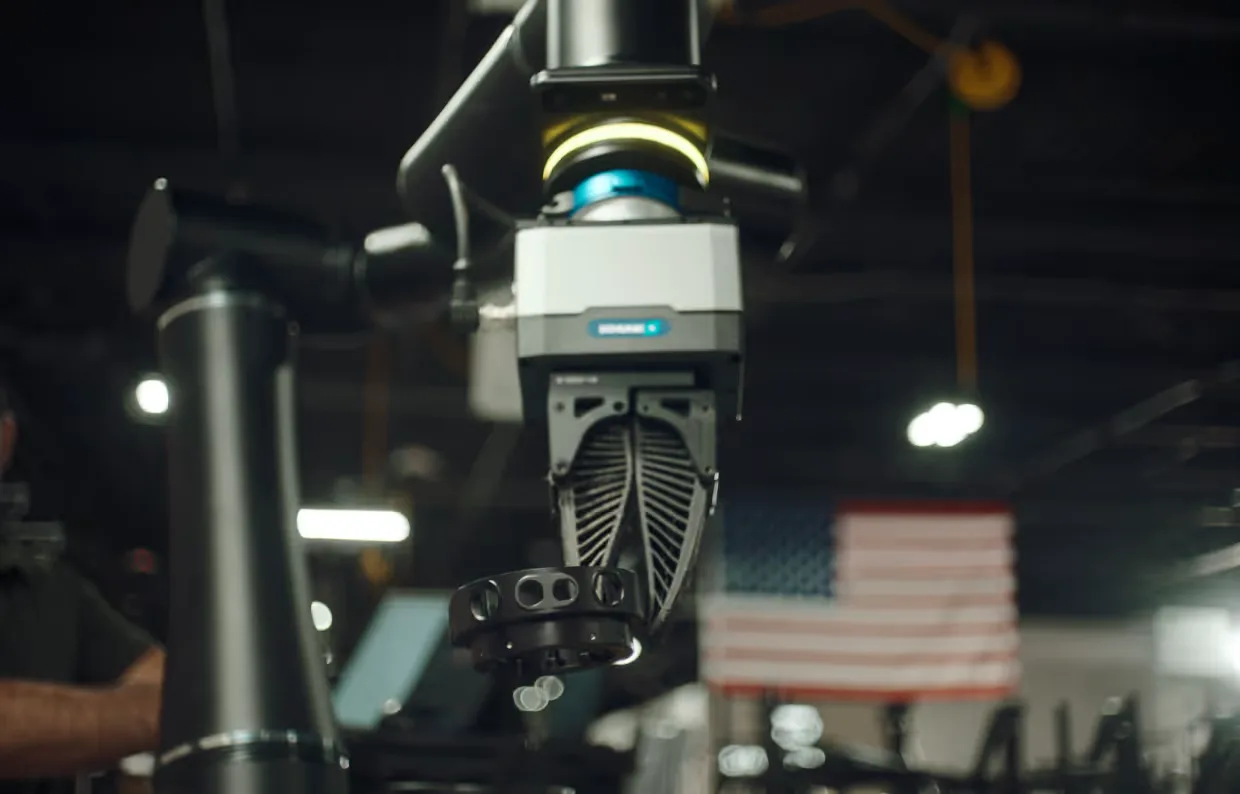
The future of robotics may ultimately be defined less by humanoid machines and more by widespread automation embedded throughout industrial environments. While humanoids may eventually find important applications, the near-term opportunity remains enormous in manufacturing, logistics, packaging, assembly, and material handling. Standard Bots is betting that the next generation of robotics will prioritize usability, adaptability, and rapid deployment. If robots can be trained through demonstration rather than programming, the addressable market for automation expands significantly. Businesses that previously lacked robotics expertise may gain access to technologies that were once available only to large enterprises.
The broader implication is that robotics could begin following a trajectory similar to personal computing. Early systems required specialists to operate them, while later generations became accessible to ordinary users. Standard Bots is attempting to apply a similar philosophy to industrial automation by making robots easier to learn, easier to deploy, and easier to scale. If that vision succeeds, the real robotics revolution may be about giving more businesses access to intelligent tools that increase productivity, strengthen manufacturing capacity, and reshape how physical work gets done.
Standard Bots is focused on one of the most practical opportunities in robotics today: reducing the complexity of industrial automation. While much attention remains fixed on humanoids, AI-native industrial robots may have a more immediate impact on manufacturing productivity and adoption at scale.