

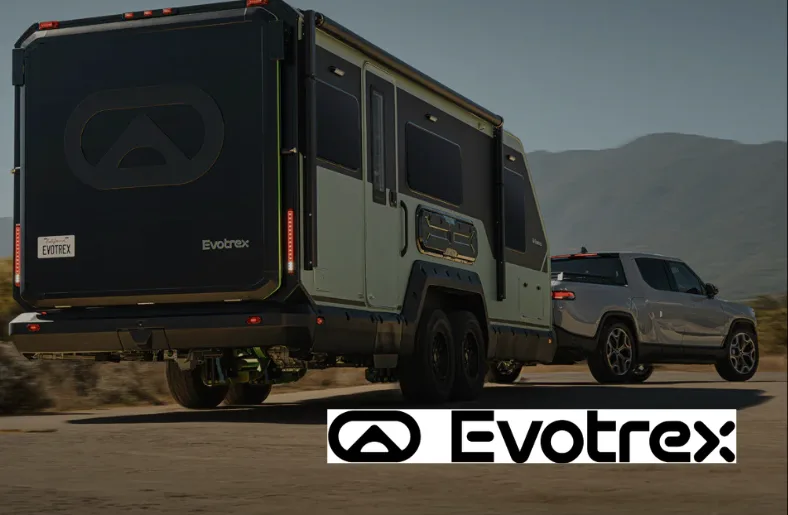
Evotrex Is Blurring the Line Between Transportation and Energy Infrastructure
The Problem With Today’s Vehicles: They Only Consume Energy
For more than a century, vehicles have served a single purpose: transportation. Whether powered by gasoline, diesel, or electricity, the relationship between vehicles and energy has largely been one-directional. Cars consume energy, travel from one location to another, and then require refueling or recharging. While electric vehicles have improved efficiency and reduced emissions, the fundamental model remains largely unchanged. Yet this approach overlooks a significant opportunity. Modern vehicles contain increasingly sophisticated batteries, software systems, connectivity infrastructure, and computing capabilities. Collectively, these assets represent an enormous amount of untapped energy capacity distributed across cities, communities, and transportation networks.
As the world moves toward electrification, energy resilience and grid flexibility are becoming just as important as mobility itself. This shift is creating interest in new vehicle architectures capable of serving purposes beyond transportation. Evotrex is among the companies exploring what happens when vehicles evolve from energy consumers into energy assets capable of interacting with the broader energy ecosystem.

How Evotrex Is Reimagining the Vehicle as an Energy Platform
Evotrex is built around the idea that future vehicles should not exist in isolation from the energy systems that power them. Instead, they should function as intelligent platforms capable of creating value beyond transportation alone. The company’s vision reflects a growing convergence between mobility, energy storage, software, and distributed infrastructure.
As battery technology continues advancing, vehicles increasingly resemble mobile energy storage units. Combined with connectivity and intelligent energy management systems, they have the potential to participate in activities such as energy balancing, decentralized power distribution, and resilience support during periods of grid stress. While traditional vehicle manufacturers often focus primarily on performance, range, and design, Evotrex appears focused on a broader question: how can vehicles become active components of future energy networks?
This perspective aligns with larger trends shaping both the automotive and energy industries. Electrification is transforming vehicles into software-defined systems, while energy infrastructure is becoming more decentralized and digitally managed. Companies operating at the intersection of these trends have the opportunity to create entirely new categories of products and services.
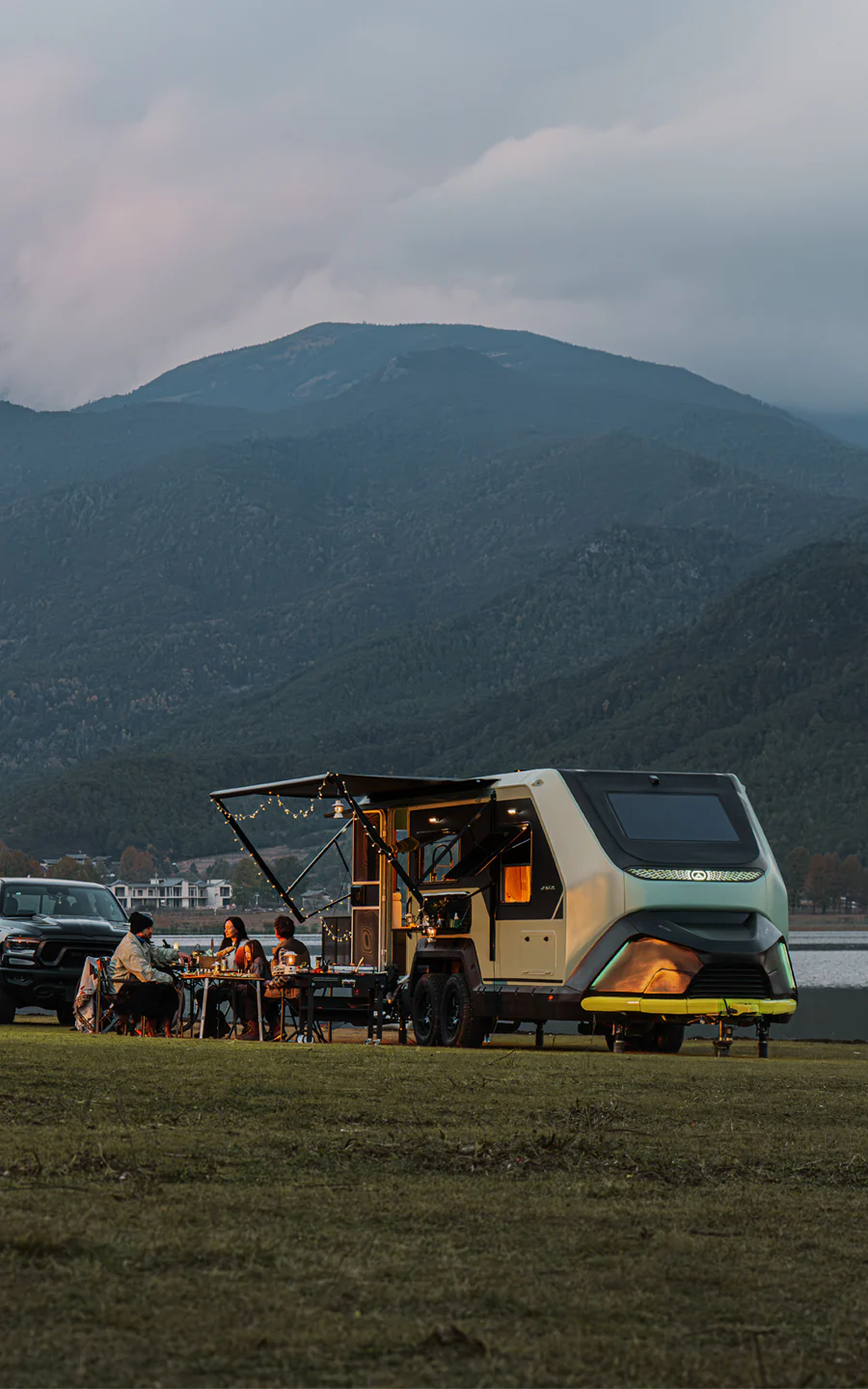
When Vehicles Become Infrastructure, Everything Changes
The implications of treating vehicles as infrastructure extend far beyond transportation. If vehicles can store, manage, and exchange energy intelligently, they become part of a much larger network connecting homes, businesses, renewable energy systems, and utility infrastructure. This creates possibilities that traditional transportation models were never designed to support.
A future built around distributed energy assets could improve resilience, support renewable energy adoption, and reduce pressure on centralized infrastructure. Vehicles may become participants in energy markets, contributors to grid stability, or sources of backup power during emergencies. In this world, the value of a vehicle is measured not only by where it can take people but also by the role it plays within broader energy ecosystems.
Evotrex is positioning itself around this emerging vision. While transportation remains central, the company’s broader thesis suggests that mobility and energy are converging into a single system. As electrification continues reshaping industries worldwide, organizations that understand both domains may help define the next generation of infrastructure. The most important question may no longer be how efficiently a vehicle consumes energy. It may be how effectively that vehicle can produce value for the energy systems around it. Evotrex is tapping into a powerful long-term trend: the convergence of transportation and energy. If vehicles evolve into connected energy assets rather than simple modes of transport, the companies building for that future could help redefine both mobility and infrastructure in the decades ahead.