

Inside Applied Computing: The AI Startup Bringing Intelligence to the World’s Industrial Giants
From London to the Industrial Frontier: The Rise of Applied Computing
The global energy industry generates enormous amounts of operational data every second. Power plants, refineries, chemical facilities, and other industrial assets continuously produce information from thousands of sensors, control systems, maintenance records, and engineering models. Yet despite this abundance of data, much of it remains underutilized because it is scattered across legacy software, isolated databases, and incompatible operational systems. As a result, engineers and plant operators often make critical decisions without access to the complete picture, limiting efficiency, increasing operational risk, and slowing optimization efforts.
London-based, remote-first Applied Computing Technologies was founded to address this challenge. The company’s mission is to help deliver sustainable abundance for a growing world by enabling artificial intelligence that works reliably within the energy industry. Rather than applying generic AI models to industrial environments, Applied Computing focuses on solving the unique challenges faced by highly regulated, safety-critical operations where accuracy, explainability, and engineering reliability are essential. By bringing together expertise in artificial intelligence, engineering, and industrial systems, the company aims to make AI a trusted decision-support tool for some of the world’s most complex infrastructure.

How Applied Computing’s Orbital Combines AI, Physics, and Engineering Data to Transform Operations?
At the heart of Applied Computing’s platform is Orbital, a multi-foundation AI system designed specifically for industrial operations. Unlike conventional AI tools that primarily rely on historical data patterns, Orbital combines machine learning with physics-based engineering principles to generate insights that align with the physical realities of industrial processes. This approach allows operators and engineers to trust AI-generated recommendations in environments where incorrect decisions can have significant financial, operational, or safety consequences.
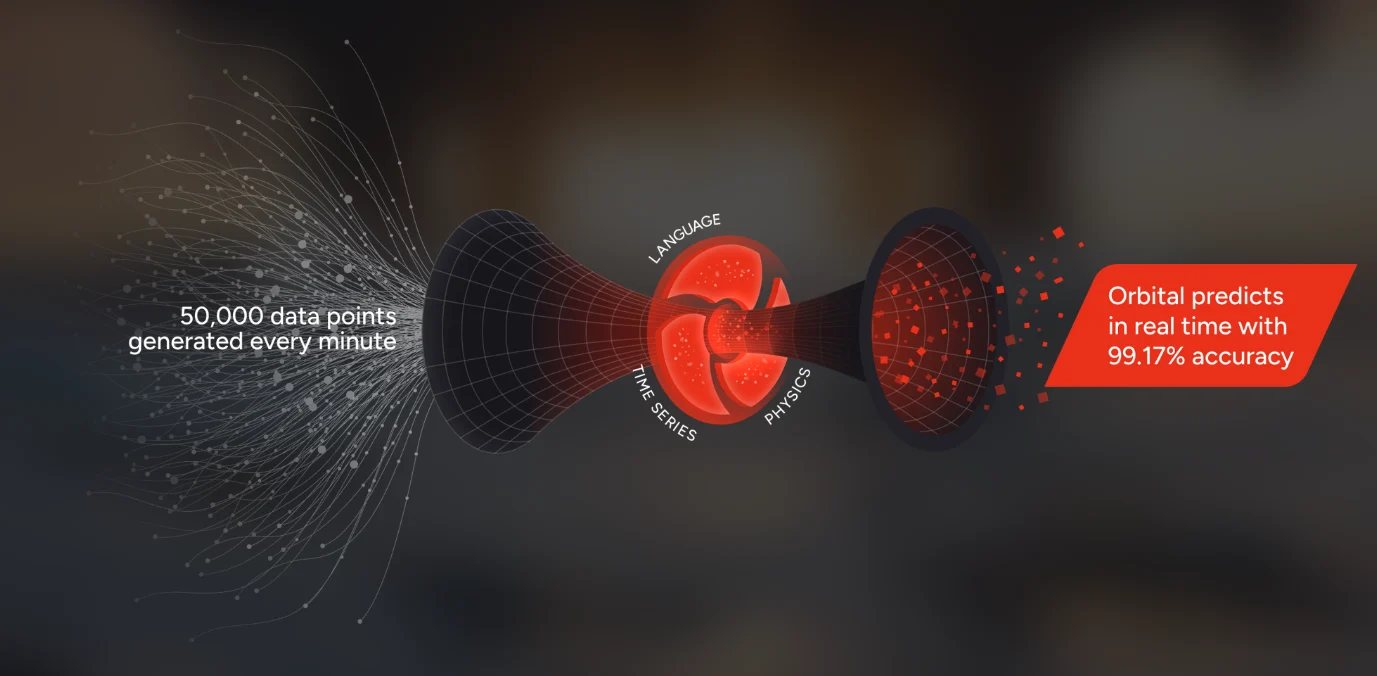
Orbital is designed to integrate information from across an organization’s operational ecosystem, including sensor networks, engineering models, historical operating data, maintenance records, and plant control systems. By connecting these previously fragmented data sources, the platform enables companies to utilize a far greater proportion of their operational data for real-time analysis and optimization. Engineers can gain a more comprehensive understanding of plant performance, identify inefficiencies earlier, improve asset utilization, and make faster decisions based on continuously updated operational intelligence.
As industries increasingly pursue digital transformation, platforms like Orbital represent a shift from traditional monitoring systems toward AI-assisted operational decision-making. Instead of simply reporting what has already happened, the system is designed to help organizations understand why it happened, predict what may happen next, and recommend actions that improve safety, reliability, and overall plant performance.
Investors Back Applied Computing’s Vision With $20 Million Series A Funding
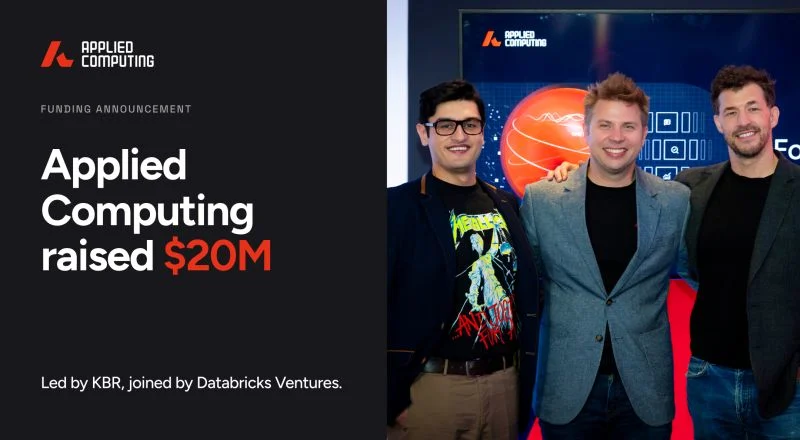
Applied Computing’s vision has attracted significant industry support. The company recently secured $20 million in Series A funding from KBR and Databricks Ventures, providing fresh capital to accelerate the development of Orbital, expand its engineering capabilities, and strengthen partnerships across the industrial and energy sectors.
The investment reflects growing confidence that artificial intelligence will play an increasingly important role in modernizing critical infrastructure. While generative AI has captured public attention through consumer applications, many of the largest economic opportunities lie within industrial environments where even small improvements in efficiency, safety, or asset performance can deliver substantial operational and financial benefits. Investors are increasingly backing companies developing specialized AI platforms capable of addressing the unique requirements of industries such as energy, manufacturing, chemicals, and industrial engineering.
For Applied Computing, the funding represents more than financial backing. It validates the company’s belief that industrial AI must combine advanced machine learning with engineering expertise and domain-specific knowledge rather than relying solely on general-purpose AI models. As energy companies continue their digital transformation, platforms like Orbital could become essential infrastructure for helping engineers make faster, safer, and more intelligent operational decisions in an increasingly complex industrial landscape.
Industrial AI presents a fundamentally different challenge from consumer AI. In sectors such as energy and heavy industry, decisions must be grounded in engineering principles, physical constraints, and operational reliability, where mistakes can have significant real-world consequences. Applied Computing’s approach reflects this reality by combining artificial intelligence with physics-based models and industrial expertise. If this model continues to gain adoption, platforms like Orbital could help redefine how engineers interact with complex industrial systems, making AI a trusted collaborator rather than simply another analytics tool.