

AI’s Debt-Fuelled Data Centre Boom Raises Fears of Another Technology Bubble
Oracle’s data centre delays, Anthropic’s massive financing commitments and rising bank exposure highlight the financial risks behind the AI infrastructure race.
AI Summary: The artificial intelligence boom is driving unprecedented investment in data centres, specialised chips and electricity infrastructure. Oracle’s major data centre projects are facing construction and power supply delays, while financing commitments linked to OpenAI and Anthropic run into tens of billions of dollars. Banks, including JPMorgan, MUFG and Bank of America, are participating in financing arrangements supporting this expansion. Meanwhile, Moody’s estimates that capital expenditure by major technology companies and CoreWeave could approach $1 trillion in 2027. The growing dependence on debt has raised concerns about whether AI revenues will justify the enormous infrastructure costs. As lenders and investors increase their exposure, questions are emerging about overinvestment, financial risks and the possibility of an AI market correction.
The artificial intelligence boom is entering an expensive new phase. Technology companies are committing hundreds of billions of dollars to data centres, specialised computer chips and electricity infrastructure. Banks and private lenders are financing a growing share of this expansion. But delays in major projects, rising borrowing and questions about future returns are raising concerns about whether the industry is building capacity faster than demand can justify.
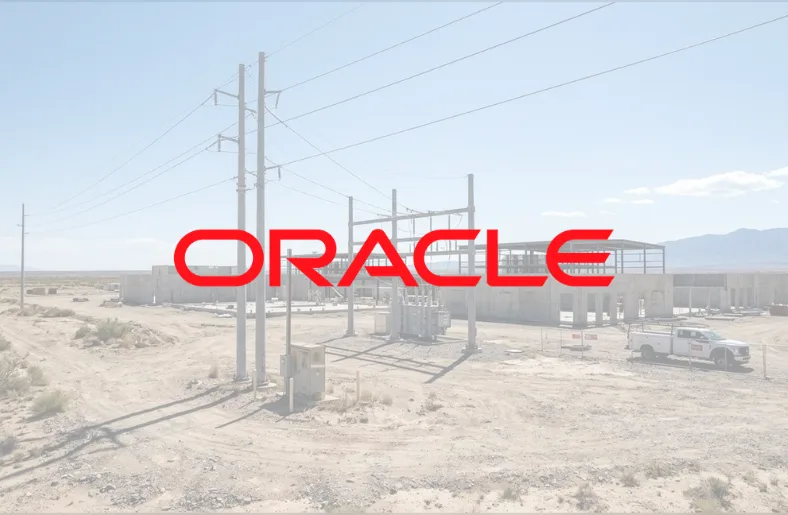
Oracle is at the centre of this growing concern. The company is involved in several massive data centre projects supporting the computing requirements of OpenAI and the wider AI industry. However, some of these projects are facing construction, electricity and regulatory challenges. Its Wisconsin data centre project, developed with Vantage Data Centers, is expected to deliver around 1.3 gigawatts of capacity. Delays in securing electricity connections could push meaningful power availability towards 2028. Another major project in New Mexico has encountered difficulties involving pipeline infrastructure and environmental approvals.
The financial commitments behind these projects are enormous. Two Oracle-linked data centre financing packages in Texas and Wisconsin total approximately $38 billion. Another $18 billion financing package is associated with the New Mexico project. Together, these represent $56 billion in project-level borrowing. These loans involve major financial institutions, including JPMorgan, MUFG and other lenders. They are generally structured around individual infrastructure projects rather than being direct loans to Oracle.
Anthropic, another major player in the AI industry, is also attracting enormous financing commitments. A reported $63 billion financing arrangement involving Broadcom-related computing infrastructure includes $43.5 billion in senior loans, with additional funding from private credit. The arrangement is intended to support specialised AI chips and networking equipment that will be leased to Anthropic. Deliveries are expected to begin in 2027.
The frequently mentioned $188 billion figure requires clarification. It should not be treated as $188 billion in bank loans to Oracle or Anthropic. A separate industry financing estimate puts combined funding raised by several AI-related companies and technology ventures at approximately $187 billion in the first quarter of 2026. This includes equity and strategic investment, which are different from bank borrowing.
The larger concern is the scale of spending across the industry. Major technology companies, including Microsoft, Amazon, Google and Meta, are investing heavily in computing infrastructure. Moody’s has estimated that capital expenditure by five major US hyperscalers and CoreWeave could approach $1 trillion in 2027. Such spending requires sustained growth in AI revenues to generate acceptable returns.
Financial regulators are also paying attention. The Bank of England has warned about growing debt exposure in AI infrastructure and the risks associated with financing long-term projects. Data centres require substantial upfront investment, while their returns depend on continued demand for computing capacity. If demand grows more slowly than expected, developers could struggle to service their loans or refinance existing debt.

There are similarities with the dot-com boom of the late 1990s, when enormous investments flowed into internet companies and infrastructure. Many businesses subsequently collapsed, although the internet itself continued to expand. The AI industry has established companies with substantial revenues and real customers, making direct comparisons difficult. However, the possibility of overinvestment remains.
The next 12 to 24 months will be important. Investors and lenders will be watching AI revenues, data centre completion schedules, electricity availability, borrowing costs and the financial performance of major technology companies.
AI adoption may continue to grow rapidly, but that does not guarantee that every infrastructure investment will succeed. A slowdown in demand, combined with excessive borrowing and delayed projects, could trigger a significant correction across the technology sector. The technology may have a long future ahead, but the financial assumptions supporting today’s investment boom will have to deliver.