


Why Did Google’s Parent Company Alphabet Lose $500 Billion in Market Value?
Google’s Parent Company Alphabet loses nearly $500 billion in market value as AI spending concerns weigh on investors
Google’s parent company, Alphabet, lost approximately $475 billion to $500 billion in market value in a single trading session as investors reacted to concerns over its AI spending and the impact of AI-powered search on advertising revenue. The sell-off ranks among the largest single-day market value declines in stock market history. Investors are questioning whether Google’s growing investment in artificial intelligence can generate sufficient returns while potentially weakening the traditional search advertising model that built its business. Does this signal the beginning of an AI investment bubble, or the emergence of an entirely new business model?
Google’s AI-driven shift could also create new opportunities within the company, although its implications for employees remain uncertain. The central question is whether AI will ultimately strengthen Google’s business or undermine its existing revenue engine.
Alphabet’s Class A shares (GOOGL) closed at $283.82 on October 29, down from $324.89 the previous day, a decline of 12.64%, according to historical market data. The fall followed the company’s third-quarter earnings announcement on October 28 and represented its largest single-day percentage decline. The Wall Street Journal estimated that the closing sell-off erased $499.8 billion in market capitalisation, while Yahoo Finance subsequently corrected its estimate to approximately $475 billion.
Market-capitalisation databases also produce different calculations, so the precise loss remains subject to a reporting discrepancy. One historical market-data series valued Alphabet at approximately $3.97 trillion before the decline and $3.46 trillion afterwards. For the quarter ended September 30, Alphabet reported revenue of $127.6 billion, up 25% year on year, operating income of $40.6 billion and net income of $26.2 billion, down from $35 billion a year earlier.
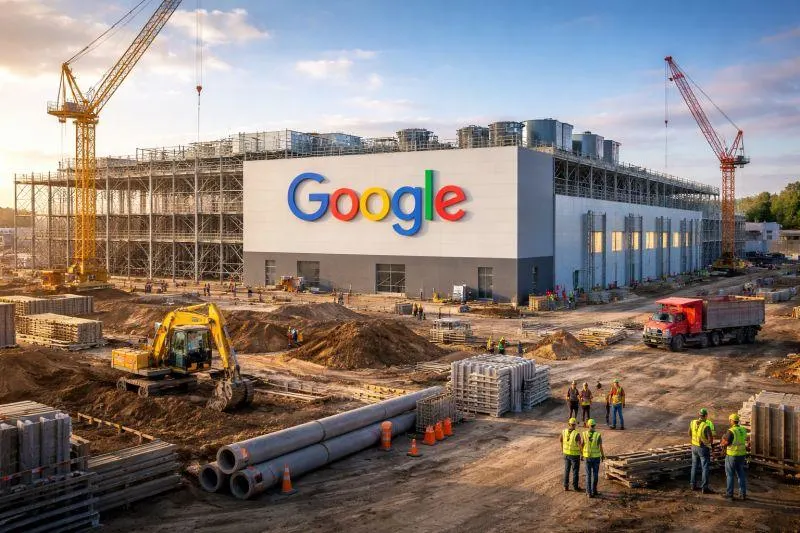
The decline reflected disappointing advertising performance and concerns about the cost of expanding artificial intelligence infrastructure. Alphabet’s total advertising revenue reached $82 billion, below analysts’ expectations of approximately $83.4 billion, while Google Search and other revenue increased 12% to $63.35 billion, also missing forecasts.
Although search queries grew at their fastest rate in five years, Google acknowledged that increasing activity on its AI Mode generated lower advertising monetisation than traditional searches. Google Cloud provided a counterpoint, recording revenue growth of 103% to $30.7 billion and operating income of $11.1 billion. However, infrastructure expenditure intensified pressure on cash generation. Capital expenditure reached $51.4 billion during the quarter, contributing to negative free cash flow of $9.1 billion.
Alphabet maintained its 2026 capital expenditure forecast of $195 billion to $205 billion and indicated that spending would increase significantly in 2027. Reuters reported that investors were concerned about whether AI-related revenues would justify these investments.
The sell-off directly affected Alphabet shareholders, institutional investors and funds holding significant positions in the company, reducing the market value of their investments. However, the decline in market capitalisation did not represent an equivalent cash outflow from Alphabet or a realised loss for every shareholder. Trading volume in Class A shares reached approximately 140 million on October 29, compared with around 63 million the previous session, indicating substantially increased trading activity. The wider technology sector also experienced pressure as investors reassessed the financial returns from large-scale AI investments.
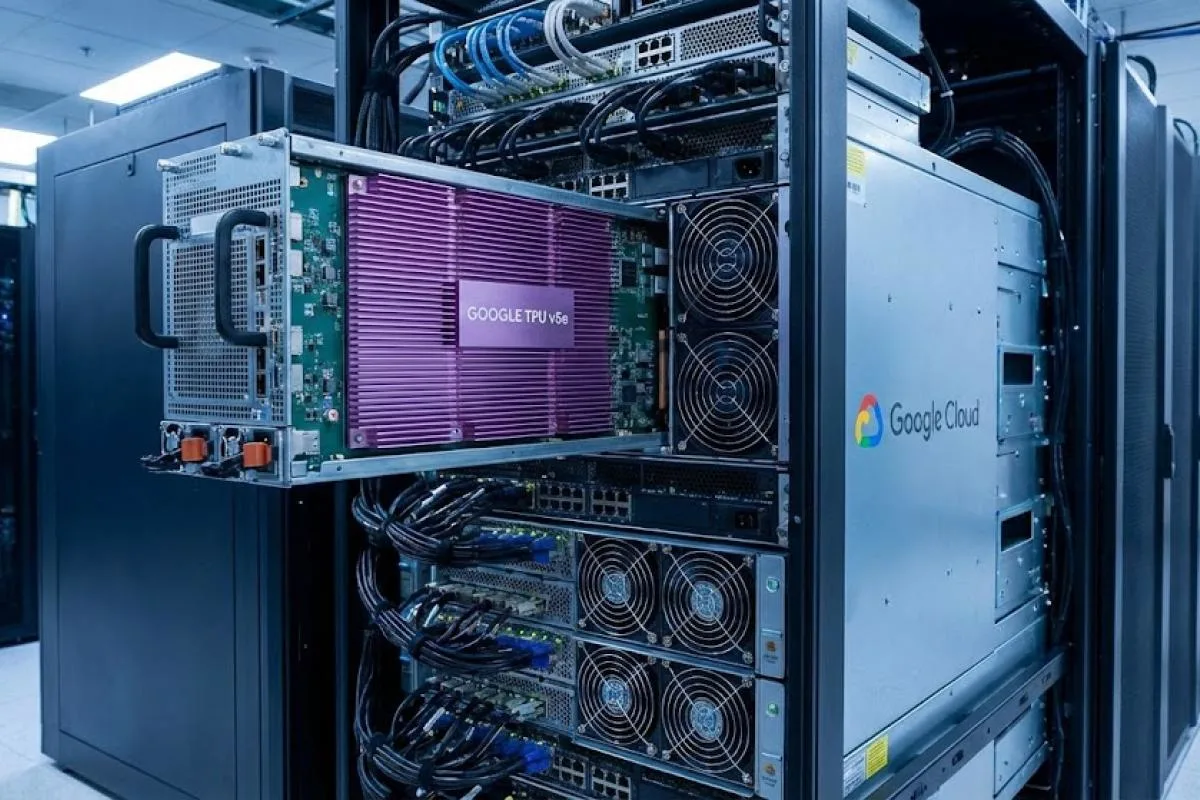
Reuters reported that the Nasdaq fell more than 1% during Thursday’s session, with Alphabet’s performance weighing on communication-services stocks. Microsoft shares also declined amid broader concerns about technology companies’ financing requirements. For advertisers, Google’s acknowledgement of weaker monetisation in AI Mode raised questions about the commercial effectiveness of emerging search formats. Alphabet’s published quarterly results showed an employee headcount of 204,757, up from 190,167 a year earlier. There was no verified evidence linking the market decline to workforce reductions or operational disruption.
The market reaction highlighted the growing importance of cash generation and measurable returns in evaluating technology companies’ AI strategies. Alphabet faces the challenge of maintaining its advertising business while expanding AI-powered search, developing Gemini and meeting demand for cloud computing infrastructure. Its latest results provide evidence of both opportunities and financial pressures: search revenue continued growing, Google Cloud expanded rapidly, and operating income increased 30%, but net income declined and free cash flow turned negative. On the company’s October 28 earnings call, management said infrastructure investment would continue increasing depreciation and data-centre operating costs, including energy expenses.
Executives also indicated that greater use of third-party computing capacity could create near-term pressure on cloud margins. Reuters reported that portfolio manager Dave Wagner of Aptus Capital Advisors questioned whether AI was adding value to Google’s search business quickly enough to justify investor expectations. Across the technology sector, similar concerns have emerged as companies increase borrowing and infrastructure commitments. Alphabet’s subsequent financial performance, advertising monetisation, cloud profitability and capital expenditure will therefore remain important indicators for investors assessing its AI investment strategy.