

Katalyst Space Technologies and NASA Aim to Pioneer Robotic Satellite Rescue
Inside Katalyst Space Technologies’ Vision for the Future of Satellite Servicing
The modern space economy depends on thousands of satellites that support navigation, telecommunications, weather forecasting, Earth observation, and national security. Yet once many of these spacecraft reach orbit, they are largely left to operate independently for years without maintenance or upgrades. If something fails, operators often have no practical option but to replace the satellite entirely. At the same time, growing congestion in Earth’s orbits is increasing concerns around space debris, orbital sustainability, and mission flexibility.
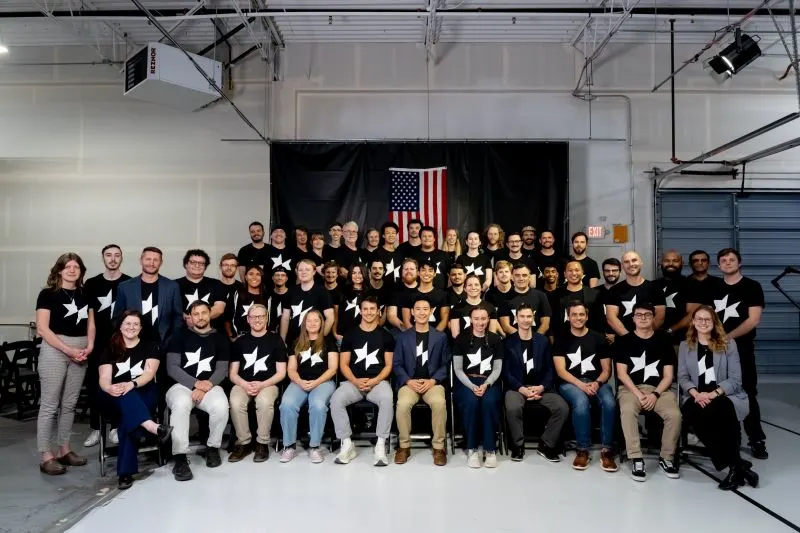
Founded in 2019 and headquartered in Flagstaff, Arizona, the company focuses on next-generation mission architectures that integrate robotic servicing, autonomous operations, and flexible satellite systems across Medium Earth Orbit (MEO), Geostationary Orbit (GEO), and future cislunar missions. Its long-term vision is to make satellites maintainable, adaptable, and capable of supporting far longer operational lifetimes than today’s conventional spacecraft.
It will also require autonomous systems capable of servicing, protecting, and supporting spacecraft already in orbit. This is the challenge that Katalyst Space Technologies is seeking to address.
Nexus: The Robotic Spacecraft Designed to Service Satellites in Orbit
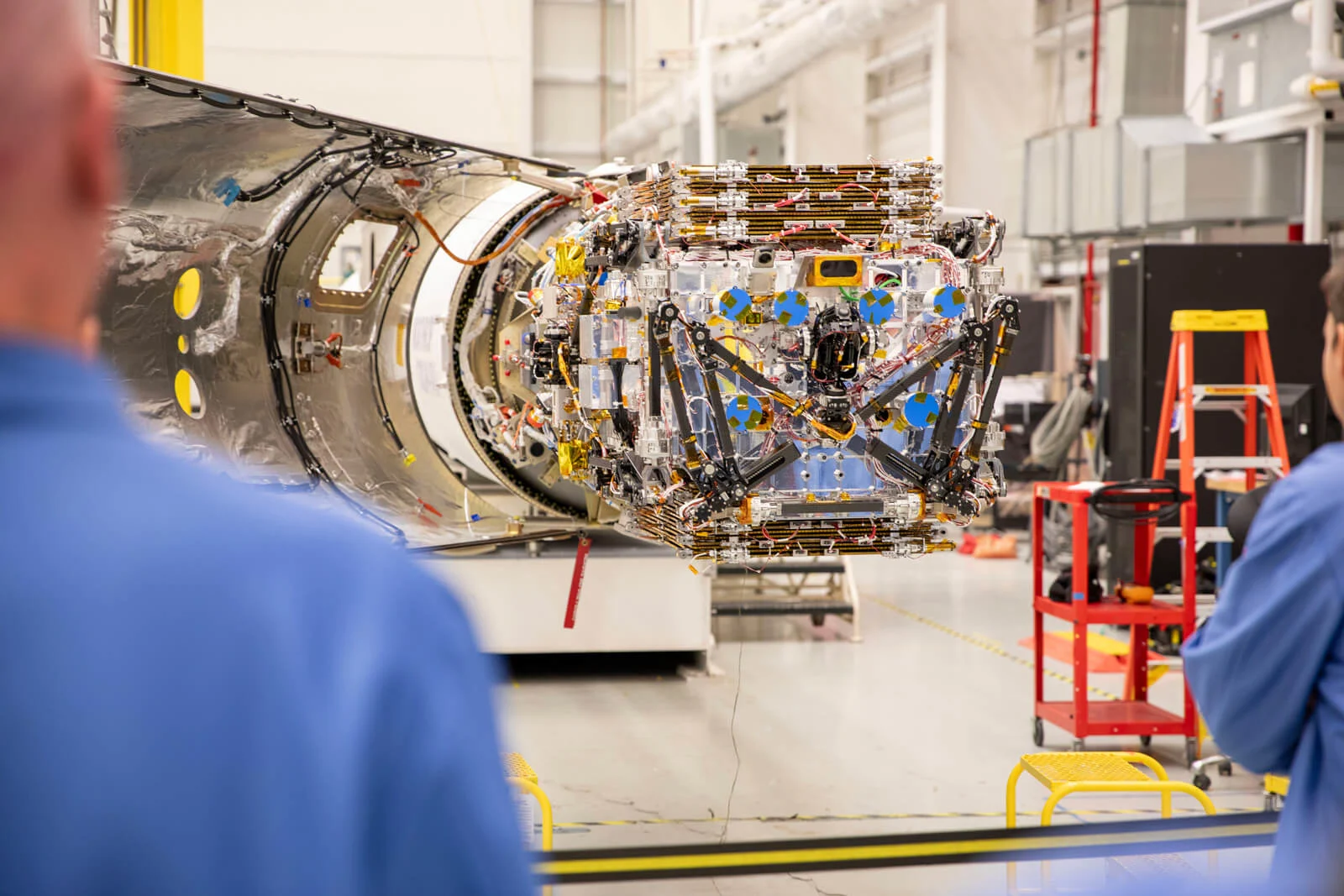
At the center of Katalyst’s strategy is Nexus, the company’s flagship robotic servicing spacecraft. Rather than functioning as another communications or observation satellite, Nexus is designed to operate as an orbital service vehicle capable of interacting directly with other spacecraft already deployed in orbit.
Robotic servicing missions have the potential to inspect satellites, diagnose problems, reposition spacecraft, extend operational lifetimes, and eventually perform maintenance activities that are currently impossible once a satellite has been launched. As governments and commercial operators deploy increasingly valuable orbital assets, spacecraft capable of providing in-orbit assistance could significantly reduce replacement costs while improving mission resilience. Nexus reflects a broader industry movement toward orbital logistics, where servicing spacecraft become essential infrastructure supporting an expanding space economy rather than isolated experimental missions.
How SIGHT, SHIELD, ARC, and ICON Expand Katalyst’s In-Orbit Capabilities?
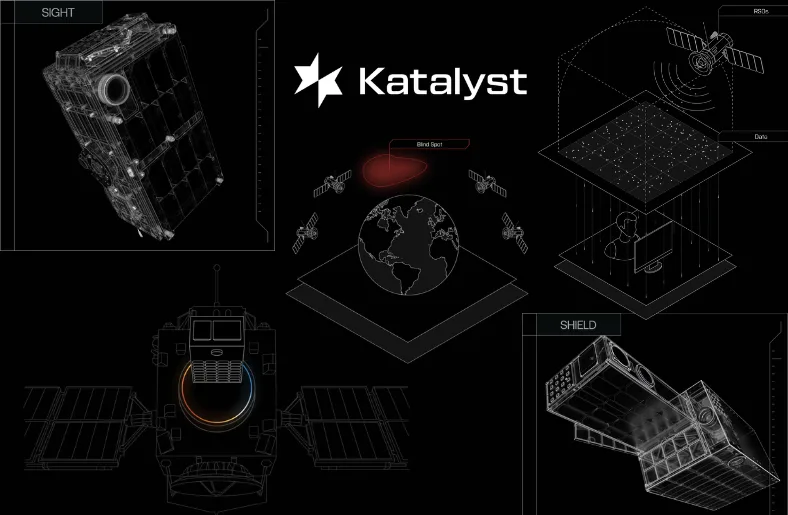
Beyond Nexus, Katalyst Space Technologies is building a broader portfolio of autonomous orbital systems designed to support multiple aspects of future space operations. SIGHT focuses on advanced space domain awareness, helping operators monitor satellite activity and maintain visibility across increasingly congested orbital environments. Enhanced situational awareness is becoming critical as the number of active spacecraft and orbital debris continues to grow.
SHIELD is designed to strengthen satellite resilience by supporting mission protection and survivability in challenging orbital conditions. ARC explores robotic servicing technologies that enable future inspection, maintenance, relocation, and logistics capabilities for spacecraft operating across multiple orbital regimes. Meanwhile, ICON provides modular satellite infrastructure intended to support flexible mission planning and evolving operational requirements.
Together, these technologies demonstrate Katalyst’s broader ambition to build an ecosystem of autonomous orbital capabilities rather than a single robotic spacecraft, helping lay the foundation for a more serviceable and sustainable space environment.
NASA’s Swift Observatory Mission With Katalyst Space Technologies
Katalyst Space Technologies has also attracted attention through its collaboration with National Aeronautics and Space Administration (NASA) on concepts involving the Neil Gehrels Swift Observatory, a space observatory that has spent years studying gamma-ray bursts, black holes, neutron stars, and other high-energy cosmic phenomena. The collaboration explores how robotic servicing technologies could support aging scientific spacecraft, extending mission lifetimes and reducing the need for costly replacement missions.
This work highlights a broader shift taking place across the global space industry. Rather than viewing satellites as single-use assets, agencies and commercial operators are increasingly exploring maintenance, upgrades, refueling, and autonomous servicing as part of long-term orbital infrastructure. If robotic servicing platforms mature as expected, future spacecraft may be designed from the outset with maintenance and life extension in mind.
For Katalyst Space Technologies, participation in NASA-backed initiatives represents an important validation of its long-term vision. As orbital activity expands and the space economy becomes increasingly dependent on long-lived infrastructure, robotic servicing could evolve from a niche capability into a fundamental requirement for sustainable operations beyond Earth.
Katalyst Space Technologies is part of a growing movement that views robotic servicing as essential infrastructure for sustainable space operations. If companies like Katalyst succeed, future satellites may no longer be disposable assets but maintainable systems supported by an autonomous orbital workforce.