

Karta Is Letting Brazilians Access U.S. Credit Without a Social Security Number
What Is Karta and How It Works?
For many international investors and high-net-worth individuals, owning assets in the United States does not automatically translate into access to the country’s financial system. Opening bank accounts, obtaining premium credit cards, and building a U.S. credit profile often require documentation that non-residents simply do not possess. This gap has left many affluent Latin American customers underserved despite having significant financial relationships with the United States. Karta is positioning itself to address this challenge by offering U.S.-issued premium credit cards designed specifically for Latin American residents with U.S. assets.
Rather than treating international customers as exceptions, the company has built its products around the needs of people who live across multiple financial jurisdictions. Its approach reflects a broader trend in fintech, where financial services are increasingly being designed for globally mobile individuals rather than customers confined to a single domestic market.
How Karta Issues U.S. Credit Cards Without an SSN?
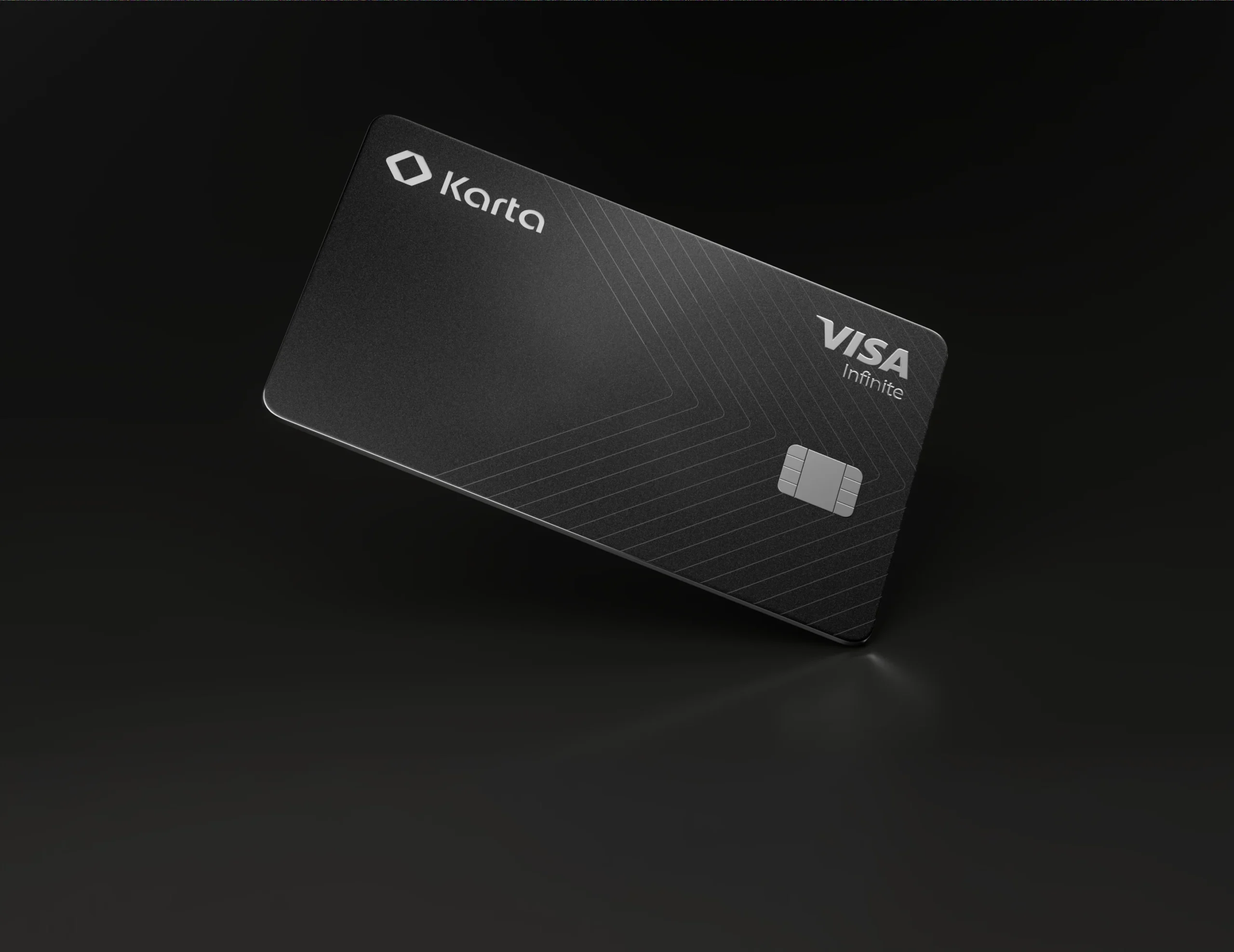
One of it’s most distinctive features is that qualified applicants can obtain a U.S.-issued Visa Infinite credit card without providing a U.S. Social Security Number. Instead, applicants generally need only a valid passport, significantly lowering one of the largest barriers facing international customers seeking access to American credit.
The company offers credit limits that can reportedly reach US$200,000 for qualified applicants while providing global acceptance anywhere Visa is accepted. The card also supports major digital wallets, including Apple Pay and Google Wallet, allowing customers to use it across physical and digital commerce. For Brazilian users, Karta further simplifies repayments by enabling credit card bill payments through Pix, Brazil’s widely used instant payment network. Beyond everyday spending, the platform also enables customers to begin building a U.S. credit history, an important financial asset for individuals planning future investments, property purchases, or business activities within the United States.

Why Karta Signals a Shift in Global Credit Access?
Karta represents a broader evolution in how financial institutions think about creditworthiness and customer identity. Historically, access to financial products has been tightly linked to national residency, local identification systems, and domestic credit histories. As wealth, investment, and entrepreneurship become increasingly international, these legacy requirements are beginning to look outdated.
Financial technology companies are responding by designing products that recognize customers with cross-border lifestyles. Rather than evaluating people solely through domestic financial records, newer platforms are finding ways to serve internationally active individuals while maintaining regulatory compliance and risk management. It’s model illustrates this transition by connecting customers to U.S. financial infrastructure without requiring permanent residence or traditional American identification credentials. If successful, this approach could influence how cross-border banking evolves for internationally mobile consumers.
Backed by $140M, Karta Accelerates Its Cross-Border Credit Expansion
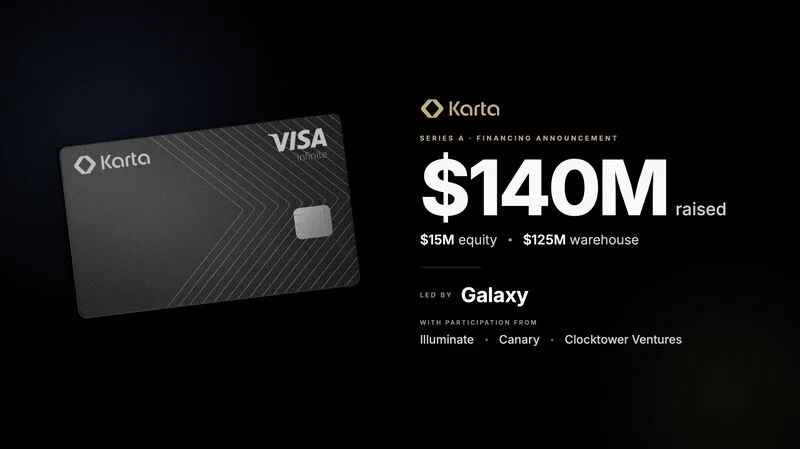
Karta recently secured $140 million in financing to support its expansion, consisting of $15 million in Series A equity alongside a $125 million warehouse facility. The funding was led by Galaxy, with participation from Community Investment Management (CIM), Illuminate Financial, Canary, and Clocktower Ventures.
The investment provides both growth capital and lending capacity as the company expands its cross-border credit platform. It also reflects growing investor confidence that international financial services represent a significant opportunity within fintech. While many digital banking startups initially focused on domestic customers, companies like Karta are targeting increasingly global populations whose financial lives extend across multiple countries and currencies.
As international investment and mobility continue to grow, demand for products that bridge national financial systems is likely to increase. Karta’s strategy suggests that the future of banking may be defined less by geography and more by the ability to provide seamless financial access wherever customers choose to live, invest, and do business.
Karta is addressing a growing segment of globally connected consumers whose financial needs no longer fit within national borders. By lowering traditional barriers to U.S. credit access while maintaining a cross-border financial model, the company highlights how fintech is evolving to serve an increasingly international customer base. Its success will ultimately depend on balancing accessibility, regulatory compliance, and responsible underwriting as it scales.