

Why Millions of Americans Choose SoFi for Banking, Investing, and Loans?
From Student Loans to a Financial Super App: The Evolution of SoFi
Financial services have undergone a profound digital transformation. Consumers who once managed separate relationships for banking, investing, mortgages, insurance, and credit cards increasingly expect a single platform that can handle every aspect of their financial lives. This shift has given rise to a new generation of financial “super apps” that seek to simplify money management through integrated digital experiences. SoFi represents one of the most prominent examples of this evolution in the United States.
Originally founded to help borrowers refinance student loans, the company has steadily expanded into a full-service financial platform serving millions of members. Rather than focusing on a single financial product, SoFi’s long-term strategy has been to build an ecosystem where customers can borrow, save, invest, spend, protect their assets, and plan for the future without leaving the platform. This evolution reflects a broader industry trend toward unified financial experiences that replace fragmented banking relationships with a single digital destination.

Why SoFi Is More Than Just a Digital Bank?
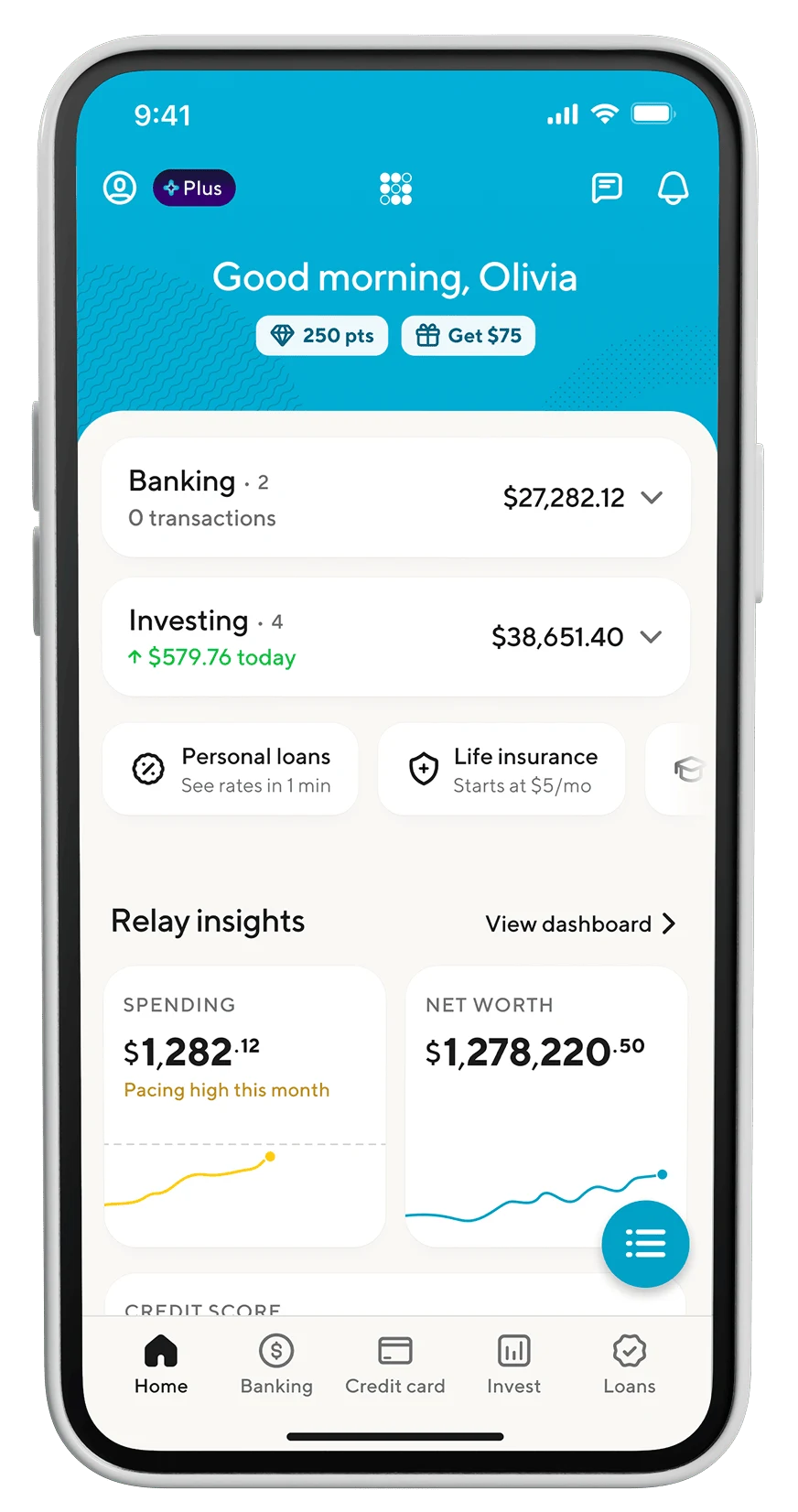
Although SoFi offers checking and savings accounts through its nationally chartered bank, describing it simply as a digital bank overlooks the broader scope of its business. The company positions itself as a comprehensive financial services platform that integrates lending, investing, wealth management, payments, insurance, and financial education into one ecosystem. This allows customers to move seamlessly between different financial products while maintaining a single account and user experience.
The platform also emphasizes financial wellness rather than individual transactions. Budgeting tools, credit monitoring, educational resources, automated investing, and personalized financial insights are designed to help users improve their overall financial health instead of addressing isolated needs. This ecosystem approach enables SoFi to build longer-term relationships with customers as their financial requirements evolve over time, from education financing and first mortgages to retirement planning and wealth management.

Inside the SoFi Ecosystem: Banking, Investing, Lending, and Beyond
The breadth of SoFi’s product portfolio distinguishes it from many fintech competitors. Its banking services include checking and savings accounts designed around digital-first experiences, while its lending business spans personal loans, student loan refinancing, private student loans, mortgages, home equity loans, and auto loan refinancing. This broad lending portfolio allows customers to access financing across multiple stages of life through a single platform.
Beyond lending, SoFi has expanded significantly into wealth management and personal finance. Its investment platform provides access to stocks, exchange-traded funds, retirement accounts, automated investing, and cryptocurrency trading, giving customers multiple ways to build long-term wealth. The company also offers credit cards integrated with its broader financial ecosystem, enabling rewards and spending management within the same platform.
Additional services extend into insurance products, estate planning, and financial planning tools that help members manage long-term financial goals. Through SoFi Plus, the company bundles enhanced benefits, rewards, and member services to deepen customer engagement across its ecosystem. Rather than treating these offerings as independent products, SoFi integrates them into a connected financial experience where data, insights, and services reinforce one another. This ecosystem strategy positions the company as a digital financial platform rather than simply a lender or online bank.

What Makes SoFi Different From Traditional Banks and Fintech Apps?
Traditional banks typically built their businesses around branch networks and product silos, with separate systems for mortgages, deposits, investments, and lending. Many newer fintech companies took the opposite approach by specializing in a single service such as payments, investing, budgeting, or lending. SoFi occupies a position between these two models by combining the breadth of a traditional financial institution with the user experience and technology-first philosophy associated with fintech.
Its integrated approach allows customers to manage multiple financial activities through one interface while benefiting from shared account information and coordinated financial insights. This creates opportunities for more personalized recommendations, streamlined onboarding, and stronger long-term customer relationships. While competition remains intense across digital finance, SoFi’s ecosystem strategy reflects a growing belief that consumers increasingly value comprehensive financial platforms over disconnected financial products.
The Bigger Picture: What SoFi Reveals About the Future of Finance?
The rise of companies like SoFi illustrates how personal finance is becoming increasingly software-driven. Consumers no longer expect financial institutions merely to store money or approve loans. They increasingly seek platforms capable of helping them make better financial decisions across every stage of life, from borrowing and investing to retirement planning and wealth preservation.
Artificial intelligence, automation, real-time analytics, and integrated financial data are accelerating this transformation. As these technologies mature, financial platforms will likely become even more proactive, offering personalized recommendations, predictive insights, and automated financial management tailored to each customer’s goals.
SoFi’s evolution demonstrates how financial services are converging into unified digital ecosystems. Rather than competing solely on interest rates or individual products, the next generation of financial institutions may compete on how effectively they help customers navigate their entire financial journey through intelligent, connected platforms.
SoFi reflects a broader shift in financial services from isolated products to integrated ecosystems. By bringing banking, lending, investing, insurance, and financial planning together under one platform, the company illustrates how digital finance is evolving beyond traditional banking. As technology continues to reshape personal finance, platforms that simplify the entire financial journey may become the defining institutions of the next generation.