


Arkeus Develops AI-Powered Sensing Systems for Autonomous Defense Platforms
Why Do Autonomous Systems Depend on Real-Time Perception?
Autonomous systems are becoming increasingly important across defense, surveillance, and security operations, but autonomy itself is only one part of the equation. Drones, unmanned vehicles, and autonomous platforms still depend heavily on their ability to interpret environments accurately in real time. Navigation, threat detection, object tracking, and mission coordination all require systems capable of continuously processing visual and environmental information under highly dynamic conditions. In military and surveillance environments, these conditions are often degraded, contested, or communication-limited, making conventional sensing systems less reliable.
Arkeus is building AI-powered sensing platforms designed to function as the “eyes and brain” for autonomous systems operating across air, sea, and land domains.The company focuses on combining optical sensing, edge intelligence, and real-time AI processing to help autonomous platforms interpret environments and respond operationally without relying entirely on centralized infrastructure. This reflects a broader shift in defense technology where perception systems are becoming as strategically important as autonomous mobility itself.
How Arkeus Builds AI-Powered Surveillance Systems?
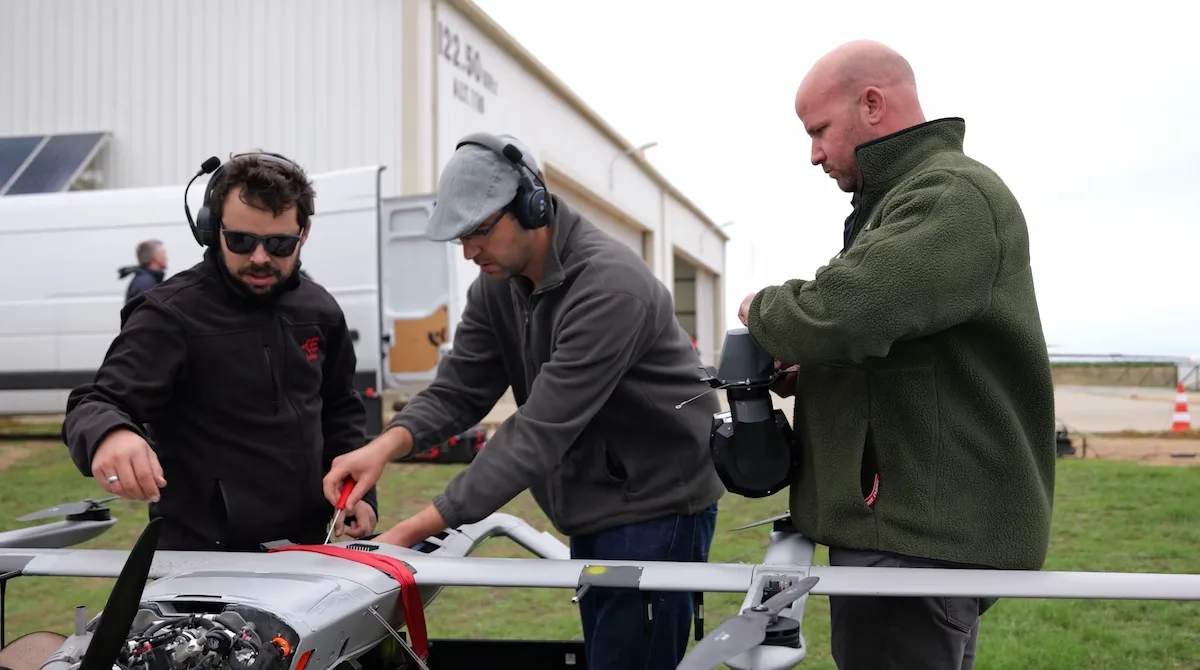
Arkeus develops autonomous optical surveillance and sensing systems optimized for missions involving intelligence, surveillance, reconnaissance, border protection, force protection, and search-and-rescue operations. The company’s systems are designed to operate across airborne, maritime, and land-based environments where platforms must process large volumes of visual and environmental data continuously.
Its broader architecture combines sensing hardware with AI-driven interpretation systems capable of identifying and extracting operationally relevant information in real time. Instead of simply capturing raw sensor data, the platform attempts to convert surveillance input into actionable intelligence directly at the edge. This is strategically important because many defense environments involve limited bandwidth, disrupted communications, or contested electromagnetic conditions where transmitting large volumes of data to centralized systems may not be operationally feasible.
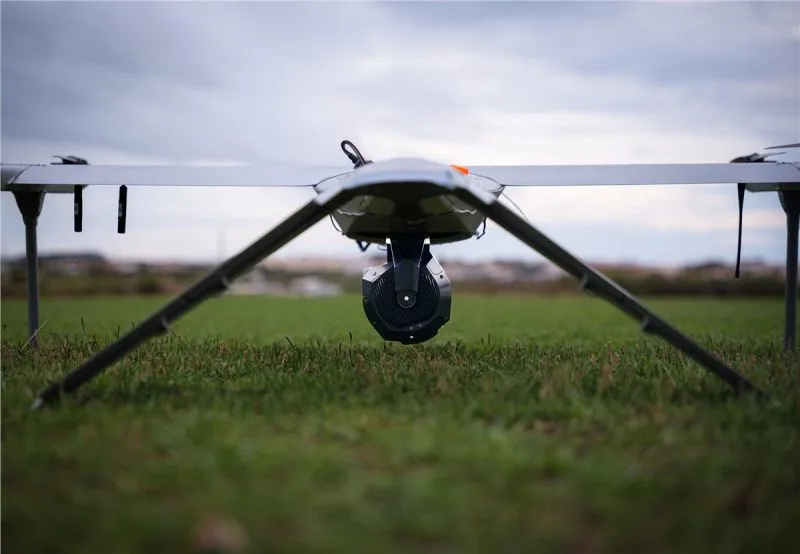
Arkeus positions its systems around edge autonomy and distributed intelligence. The company’s AI infrastructure allows autonomous platforms to process information locally, improving responsiveness while reducing dependence on remote processing environments. This creates operational advantages in missions where timing, situational awareness, and adaptability are critical. The company’s emphasis on “see, understand, and act” reflects how modern surveillance infrastructure is evolving from passive observation toward real-time machine interpretation and operational decision support.
Why Is Edge Intelligence Becoming Critical in Defense?
One of the larger shifts happening across defense technology is the movement from centralized processing toward edge intelligence. Traditional surveillance systems often depended on transmitting sensor data back to centralized command environments for interpretation and response coordination. As autonomous systems scale, however, this model becomes increasingly difficult due to bandwidth constraints, latency, and operational vulnerability. Arkeus is positioning itself directly inside this transition by developing sensing systems capable of interpreting operational environments locally in real time. This is particularly important in contested environments where communication networks may be disrupted intentionally or degraded by geography and infrastructure limitations.
The company’s cross-domain focus across land, sea, and air also reflects how modern defense operations increasingly rely on integrated sensing environments rather than isolated platforms. Autonomous systems are becoming more interconnected, requiring intelligence infrastructure capable of operating consistently across multiple operational domains simultaneously.
This shift also explains the growing importance of AI perception systems inside defense technology. Autonomous mobility alone has limited value if systems cannot reliably distinguish between threats, civilians, terrain conditions, or operational anomalies under real-world conditions. Perception accuracy increasingly defines the effectiveness of autonomous operations. Arkeus’s focus on optical surveillance systems suggests an emphasis on extracting intelligence from highly complex visual environments where machine interpretation speed and accuracy directly affect mission outcomes.
The A$25M Series A and Global Expansion Plans
Arkeus recently raised A$25 million in Series A funding to scale its AI-powered sensing systems and accelerate deployment across allied defense markets. The round was led by QIC Ventures with participation from multiple new and existing investors focused on frontier and defense technologies.
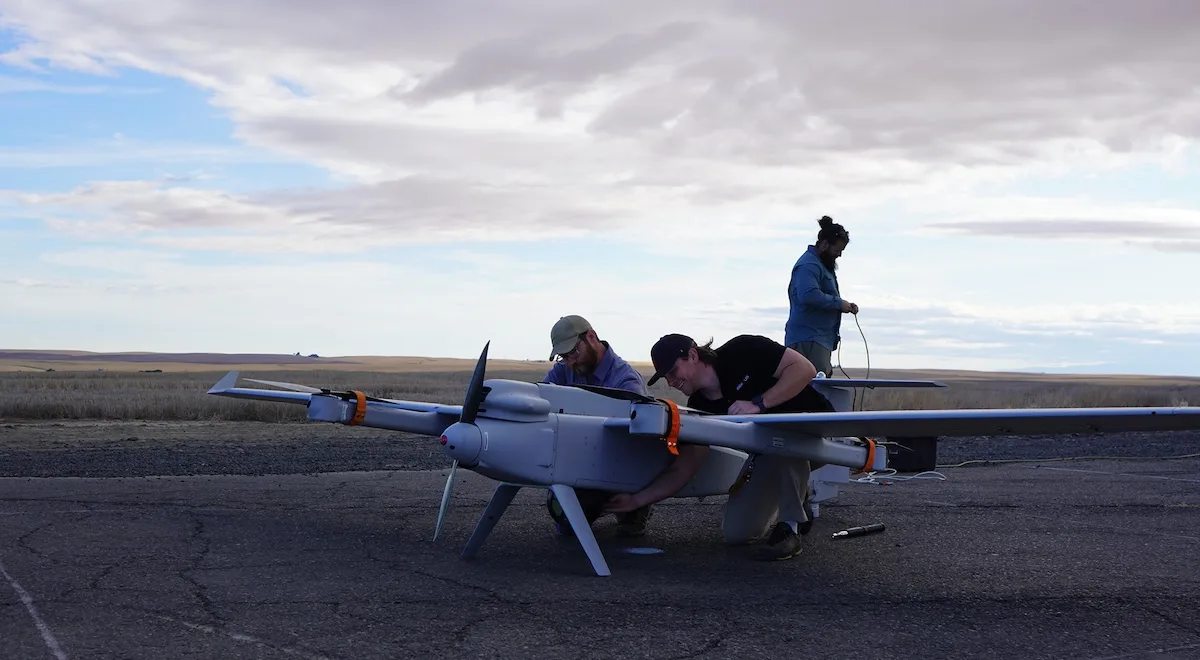
The funding will support the company’s global expansion efforts while helping establish advanced manufacturing capabilities in Queensland and the United States. This reflects a larger trend where allied defense ecosystems are increasingly investing in sovereign sensing, autonomy, and intelligence infrastructure rather than relying entirely on legacy defense contractors.
Investor interest in Arkeus also highlights how defense technology priorities are evolving toward AI-native systems capable of supporting autonomous operational environments. Surveillance, ISR, and real-time situational awareness are becoming increasingly software-defined, creating demand for platforms capable of processing and interpreting intelligence data continuously at operational scale. For Arkeus, the challenge moving forward will involve scaling both manufacturing and deployment reliability while operating in highly sensitive defense procurement environments. Defense adoption cycles are operationally demanding because systems must perform consistently under unpredictable and high-risk conditions.

What Comes Next for Autonomous Sensing Systems?
The long-term significance of companies like Arkeus extends beyond surveillance infrastructure alone. Autonomous systems are expanding rapidly across military, industrial, maritime, and border-security operations, increasing demand for AI-powered perception infrastructure capable of functioning reliably in complex environments. This creates a broader shift where sensing and interpretation systems may become foundational infrastructure layers for autonomy itself. Future autonomous platforms will likely compete not only on mobility or endurance but on how effectively they interpret and respond to operational environments independently.
At the same time, perception systems remain one of the most technically difficult parts of autonomy. Real-world environments contain ambiguity, unpredictable movement, environmental interference, and adversarial conditions that are difficult for AI systems to process consistently. Companies building operational perception infrastructure therefore face much higher technical reliability expectations than many commercial AI startups.
Arkeus is positioning itself inside this high-stakes infrastructure category by focusing on edge intelligence, distributed sensing, and real-time environmental interpretation. Its long-term relevance will depend on whether autonomous systems become deeply integrated into defense operations and whether AI-powered perception systems can achieve the reliability required for operational deployment at scale.
Why Does Arkeus Reflect the Future of Defense AI?
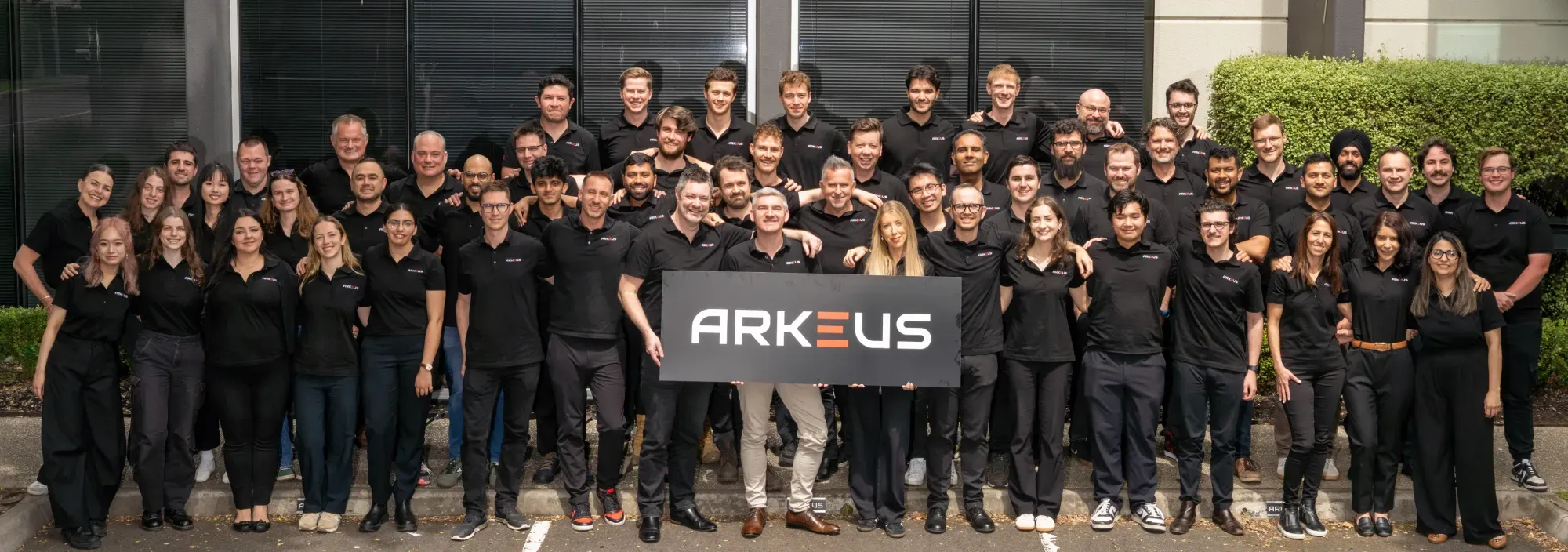
Arkeus represents a broader defense technology shift where AI systems are increasingly embedded directly into operational infrastructure rather than functioning only as analytical software layers. Earlier generations of surveillance systems focused primarily on data collection. Modern autonomous systems require infrastructure capable of interpreting and acting on information continuously in real time.
This changes the strategic importance of perception technology itself. In autonomous defense environments, the ability to process environmental information quickly and accurately may become as important as the physical platforms carrying the systems. Intelligence extraction is moving closer to the edge, where autonomous platforms themselves increasingly become operational decision environments. Arkeus is effectively building infrastructure for this transition. Its systems are designed not only to observe environments but to convert sensory information into operational awareness under conditions where centralized processing may not be practical or available.
The broader implication is that future defense systems may increasingly depend on distributed AI perception networks operating continuously across multiple domains simultaneously. Companies capable of building reliable sensing infrastructure for these environments could occupy strategically important positions within the next generation of defense technology ecosystems. Arkeus is targeting one of the most operationally important layers in autonomous defense systems by focusing on AI-powered perception and edge intelligence. The company’s long-term success will depend on whether autonomous platforms become widely operationalized and whether its sensing systems can maintain reliability under the unpredictable conditions real-world defense environments demand.