


Inside Panthalassa’s Plan to Turn Ocean Waves Into Electricity for AI and Clean Energy
What Is Oregon-based Panthalassa?
Panthalassa is an Oregon-based renewable energy company developing offshore systems designed to generate electricity directly from ocean waves at large scale. Unlike traditional renewable energy companies focused on solar farms or wind turbines, Panthalassa is building floating energy infrastructure intended to operate in the open ocean, where wave motion can be converted into continuous electrical power. The company describes itself as a planetary-scale energy platform, emphasizing not only energy generation but also long-term infrastructure capable of supporting emerging industrial demands such as offshore AI computing and renewable fuel production.
The broader idea behind the company is rooted in a structural observation about global energy systems. Most renewable infrastructure today depends heavily on land availability, weather conditions, and transmission constraints. Solar energy production varies with sunlight, while wind generation depends on atmospheric conditions that can fluctuate significantly. Panthalassa argues that the open ocean represents a far larger and more consistent renewable energy resource that remains largely underutilized despite covering the majority of the planet.
The company’s positioning also reflects the growing intersection between climate technology and industrial-scale infrastructure. Rather than developing isolated experimental devices, Panthalassa is attempting to build a complete offshore energy ecosystem. This includes floating power systems, offshore compute environments, and renewable fuel production infrastructure designed to operate together within marine environments. The ambition extends beyond generating electricity toward creating new industrial energy networks built directly on the ocean itself.
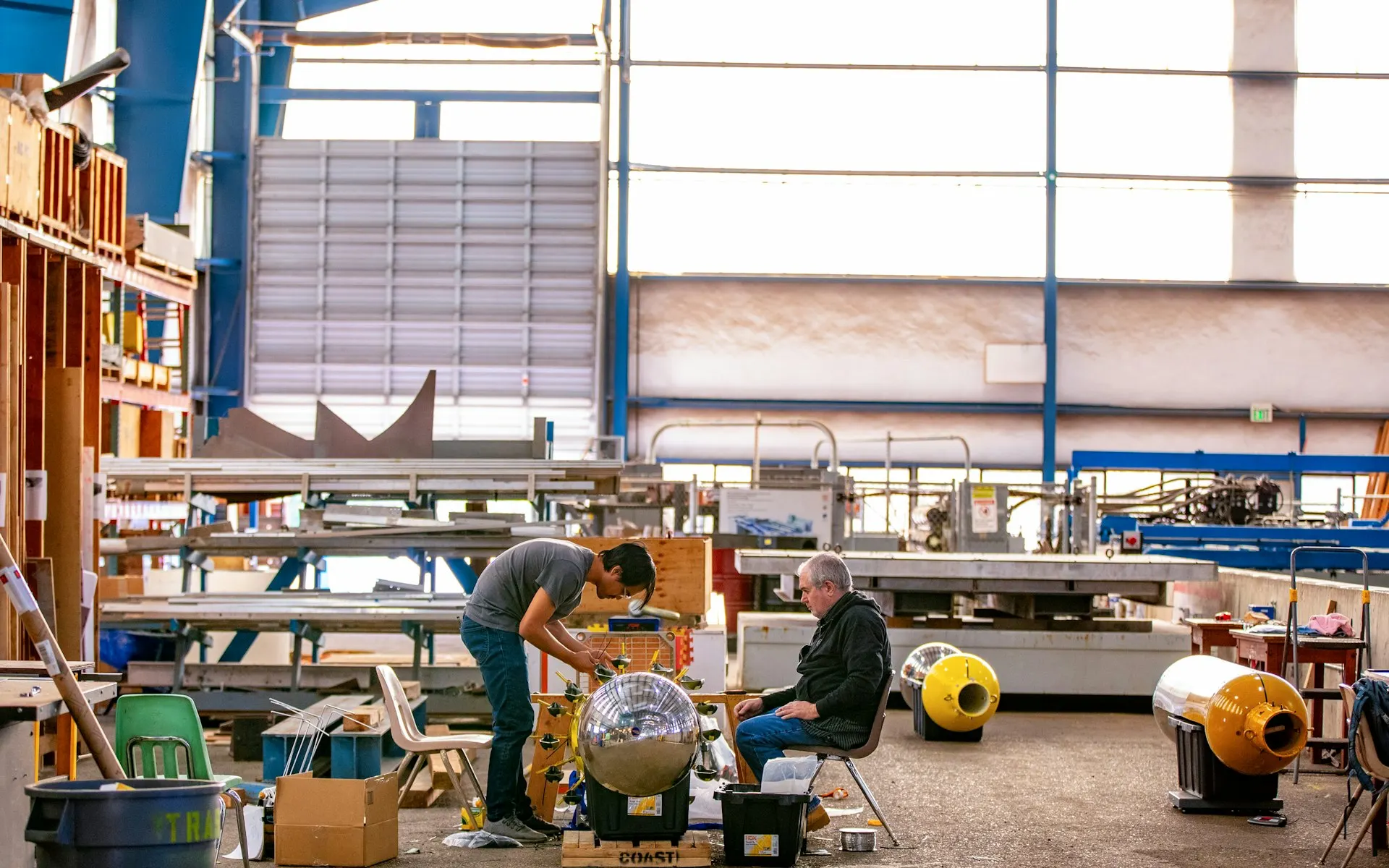
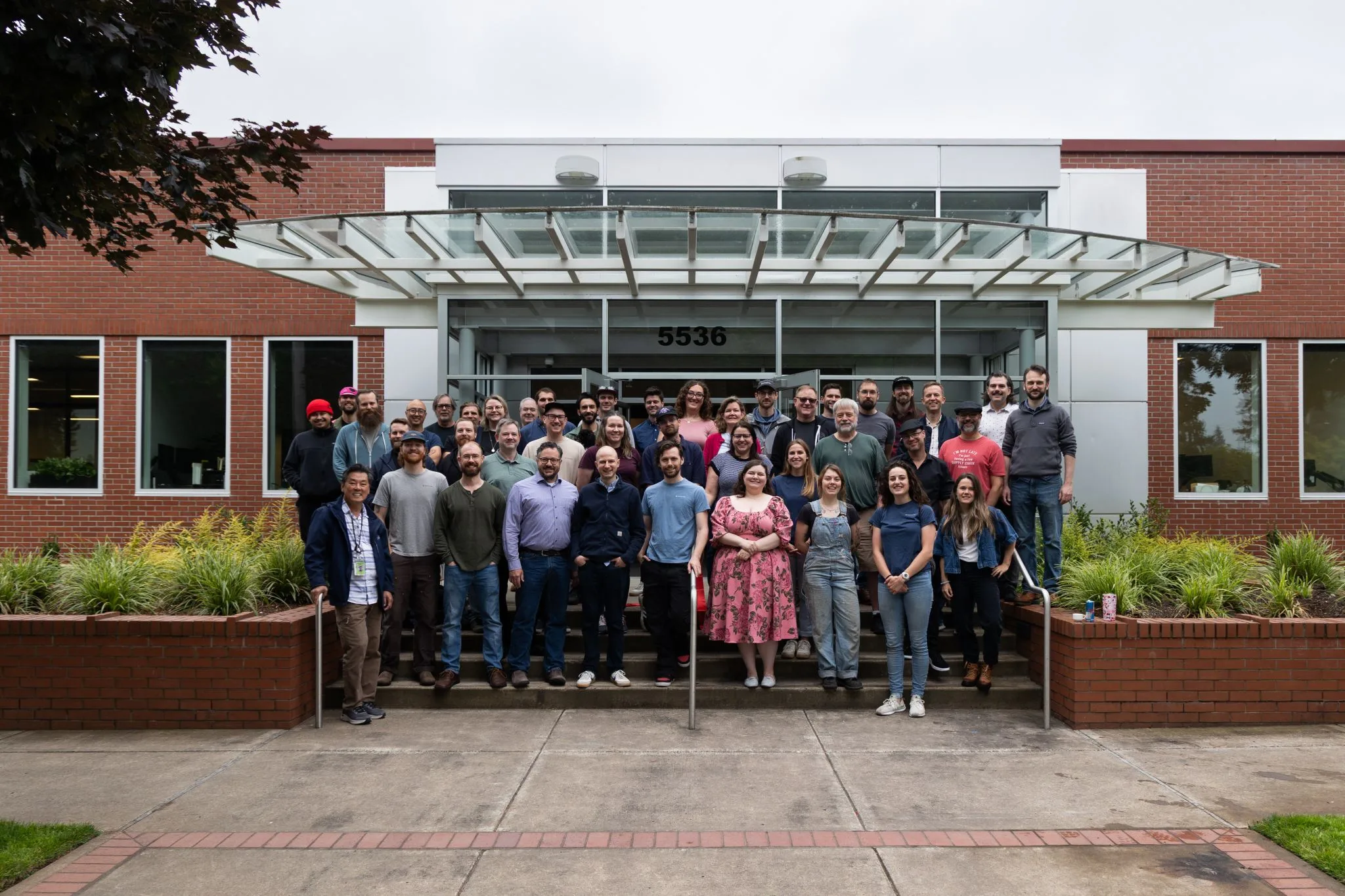
Panthalassa’s multidisciplinary team reflects the complexity of this challenge. The company includes engineers and specialists from aerospace, naval architecture, advanced manufacturing, defense, and software industries, including individuals with backgrounds from organizations such as SpaceX, NASA, Tesla, Google, and other technology and engineering firms. This cross-disciplinary structure highlights how offshore energy infrastructure increasingly overlaps with aerospace engineering, robotics, systems integration, and large-scale industrial design.
Why the Ocean Matters for Future Energy?
The ocean contains enormous amounts of kinetic energy generated by global wind patterns and planetary weather systems. Unlike solar or wind resources on land, ocean waves can provide relatively continuous motion over long durations, making them attractive as a stable energy source. Waves are effectively concentrated energy carriers, accumulating energy generated across large geographic areas and delivering it through continuous mechanical motion.
Panthalassa’s strategy is built around the belief that this consistency could make wave energy particularly valuable for energy-intensive industries that require stable power generation. One of the major limitations of many renewable systems is intermittency. Solar power declines at night and fluctuates with weather conditions, while wind generation can vary unpredictably. Stable industrial infrastructure requires more reliable energy availability, particularly in applications involving data centers, manufacturing, or fuel production.
The open ocean also offers significant spatial advantages. Land-based renewable projects increasingly face limitations tied to geography, permitting, and grid connectivity. Offshore systems operate in environments with fewer land-use conflicts and substantially larger operational footprints. This creates the possibility of deploying large-scale renewable systems without competing directly with urban development or agriculture.
However, operating in the open ocean introduces enormous engineering challenges. Marine environments are harsh, corrosive, and difficult to maintain. Offshore systems must survive storms, mechanical stress, saltwater exposure, and long-term operational fatigue. Building energy infrastructure capable of operating continuously under these conditions requires advances in materials science, marine engineering, and autonomous operations.
The importance of wave energy therefore lies not only in resource availability but in whether companies like Panthalassa can build systems durable enough to operate economically at scale.
The Idea Behind “Compute at Sea”
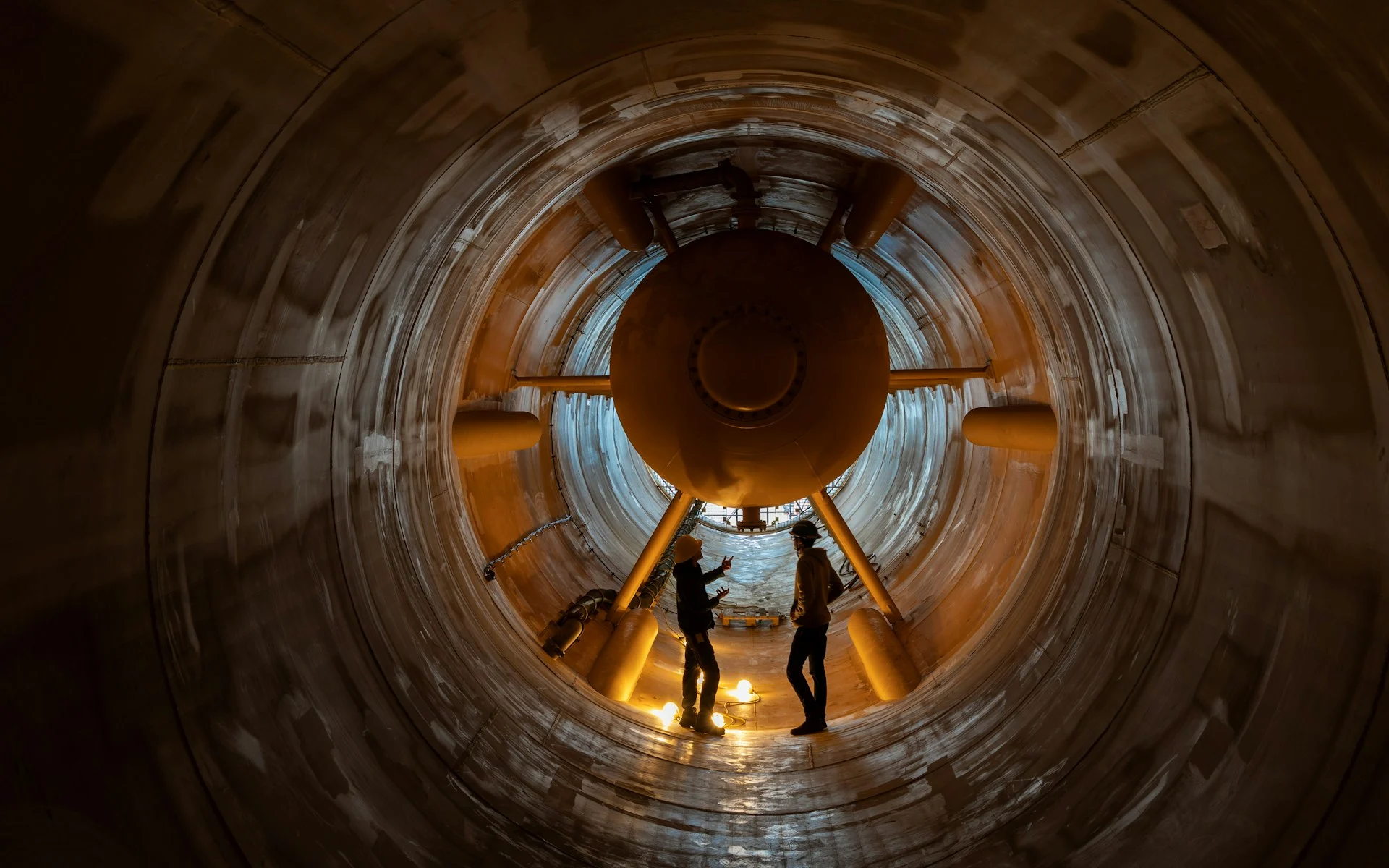
One of Panthalassa’s more unconventional concepts is “compute at sea,” where offshore renewable energy systems directly power floating compute infrastructure such as AI data centers. This idea emerges from the rapidly increasing energy demands associated with artificial intelligence and large-scale computing systems.
Modern AI infrastructure consumes enormous amounts of electricity, and energy availability is becoming a limiting factor for future expansion. Traditional data centers also face cooling challenges and grid constraints, particularly in regions where power demand is already high. Panthalassa’s approach suggests relocating parts of this infrastructure offshore, where wave-powered energy systems could provide dedicated electricity generation directly adjacent to compute resources.
The ocean environment itself offers potential operational advantages for cooling infrastructure. Data centers generate substantial heat, and marine environments provide access to large-scale natural cooling capacity. Combining offshore power generation with offshore compute systems could therefore reduce some of the infrastructure bottlenecks currently affecting AI expansion.
This concept reflects a broader trend where energy infrastructure and computing infrastructure are becoming increasingly interconnected. AI development is no longer solely a software challenge. It is also an energy challenge requiring large-scale power availability. Companies capable of delivering low-cost renewable electricity may therefore play a significant role in enabling future compute growth.
At the same time, compute at sea remains highly experimental. Offshore computing systems would require advanced maintenance strategies, secure networking infrastructure, and highly reliable operational systems. Panthalassa is effectively attempting to combine multiple frontier engineering domains simultaneously, including renewable energy generation, marine infrastructure, and distributed computing environments.
How Wave Energy Systems Actually Work?
Wave energy systems operate by converting the mechanical motion of ocean waves into usable electrical power. While there are multiple approaches to wave energy conversion, the underlying principle involves capturing the vertical and horizontal movement generated by wave motion and translating that movement into rotational or hydraulic energy capable of driving generators.
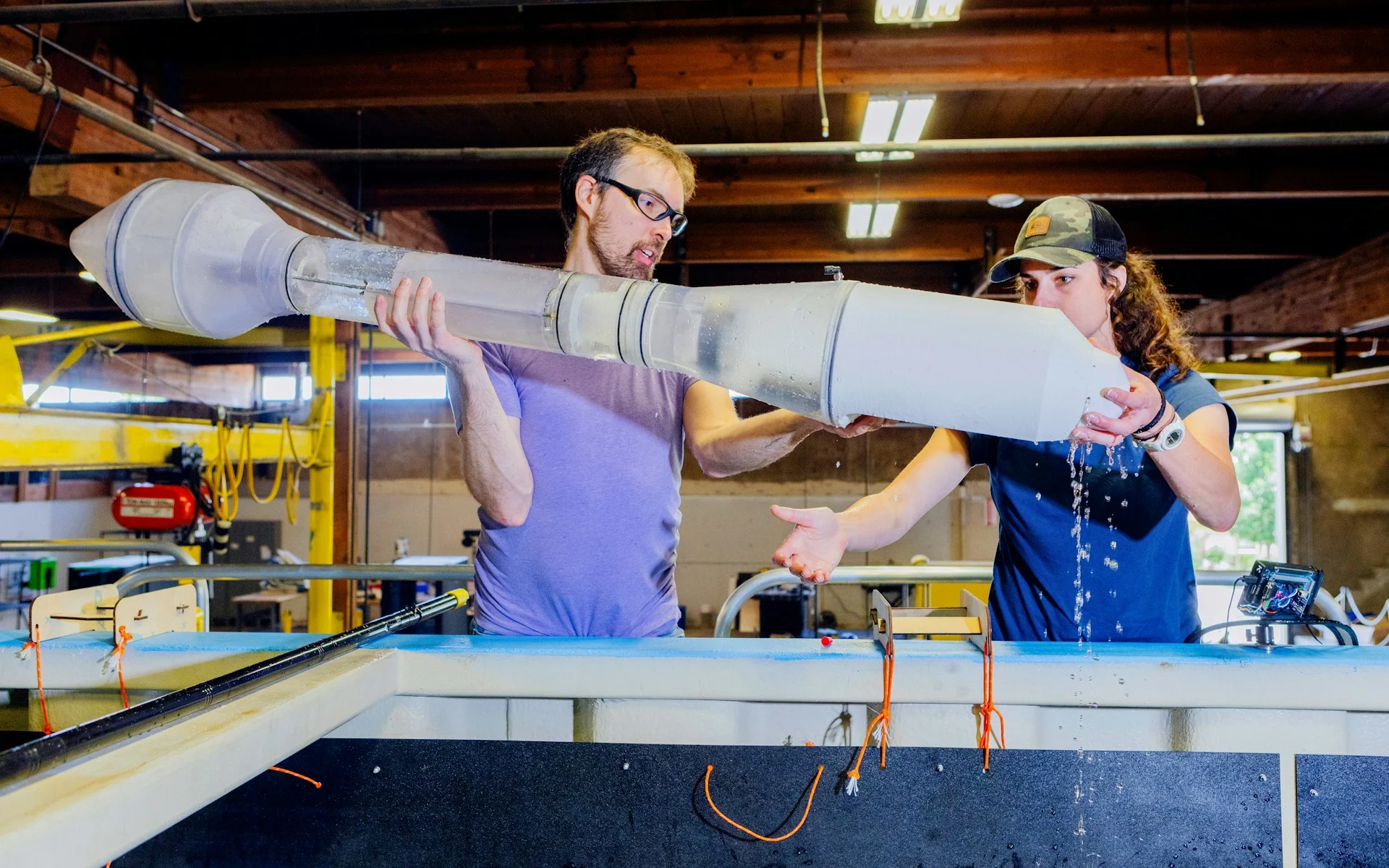
Panthalassa’s systems are designed as floating offshore platforms that move with ocean waves. As waves pass through the structure, mechanical systems inside the platform respond to this motion, converting kinetic energy into electrical output. This electricity can then either be transmitted to shore, stored, or used directly by offshore infrastructure.
One of the critical engineering challenges in wave energy is balancing efficiency with survivability. Ocean waves vary dramatically in intensity depending on weather conditions and geography. Systems must therefore be capable of generating electricity efficiently during moderate conditions while surviving extreme marine environments during storms and high-energy events.
Wave energy systems also require sophisticated control mechanisms to optimize energy capture. The timing, frequency, and amplitude of wave motion influence how effectively energy can be extracted. Advanced sensors and control systems are often used to continuously adjust platform behavior based on ocean conditions.
Another challenge involves maintenance and deployment logistics. Offshore systems are inherently more difficult to access than land-based infrastructure, making reliability and autonomous monitoring essential. Panthalassa’s broader engineering approach appears influenced by aerospace and naval engineering methodologies, emphasizing durability, modularity, and systems integration.
The appeal of wave energy lies in its energy density and relative consistency. Ocean waves carry significant concentrated energy compared to many land-based renewable resources. If systems can be deployed economically and maintained reliably, wave energy could eventually contribute meaningful large-scale renewable generation capacity.
Ocean-2 and the Company’s Early Tests
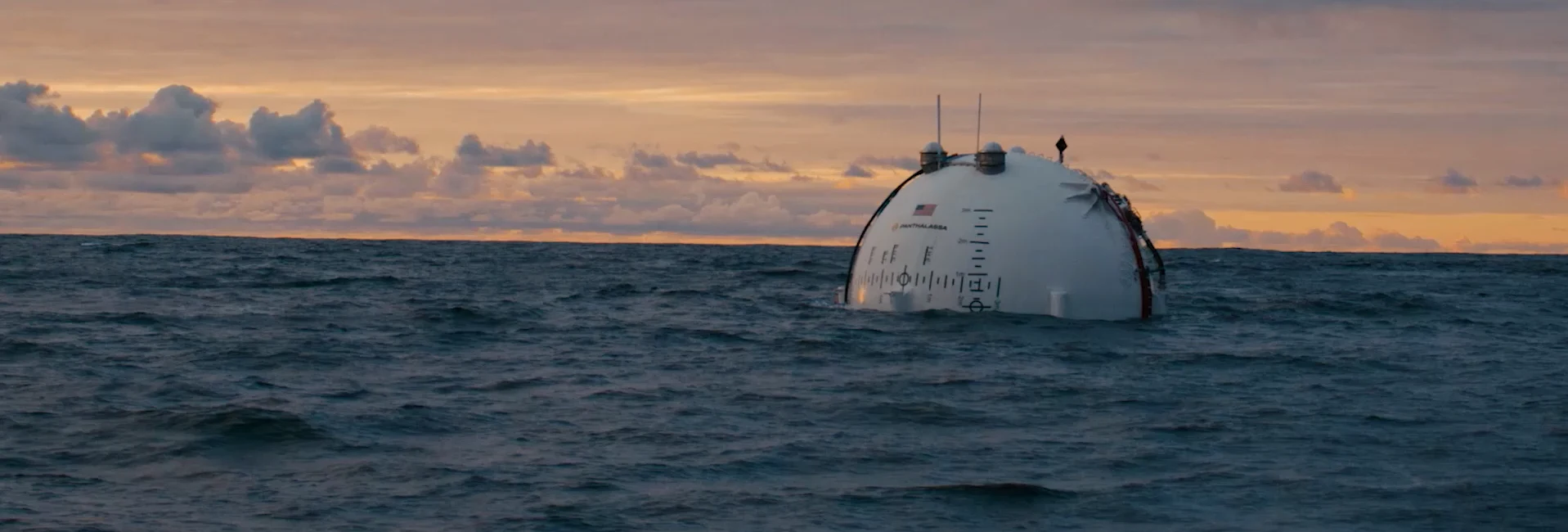
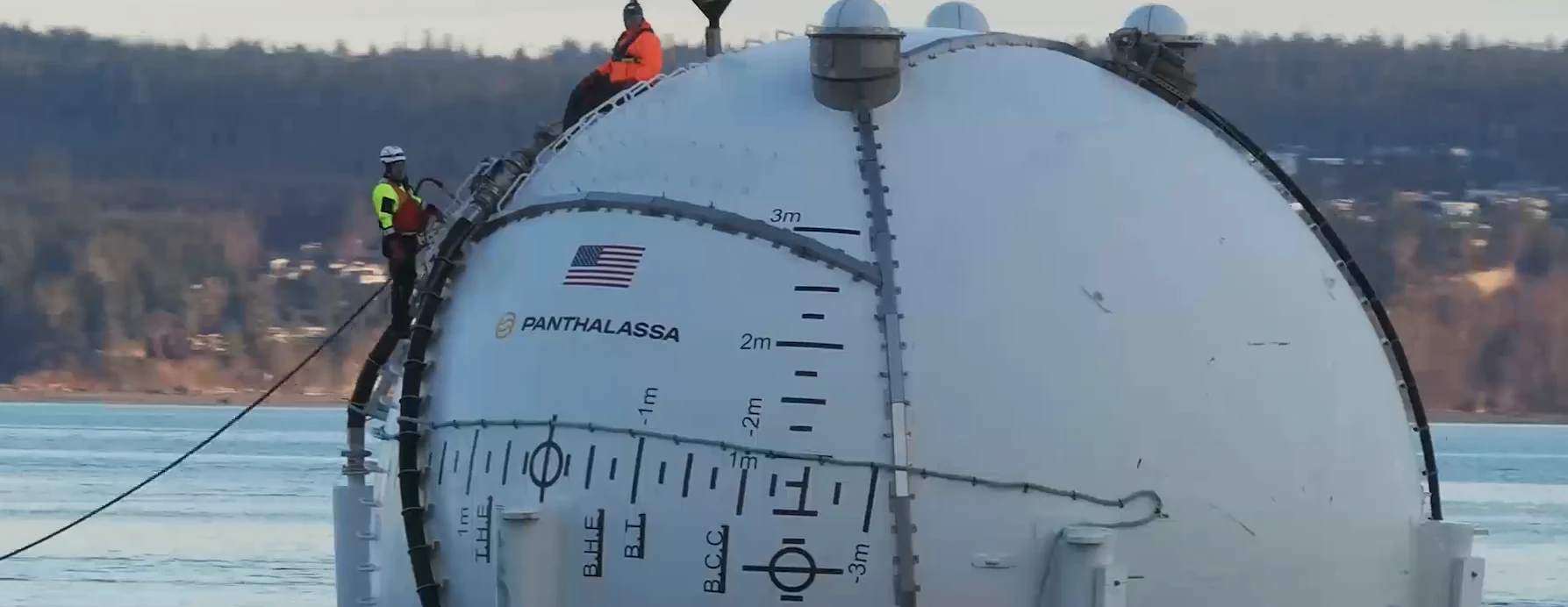
Panthalassa’s Ocean-2 prototype represents one of the company’s early operational demonstrations of its wave energy platform. Tested off the coast of Washington, Ocean-2 was designed to validate the company’s ability to convert wave motion into electrical power under real marine conditions.
Prototype systems are especially important in wave energy because laboratory simulations cannot fully replicate the complexity of ocean environments. Real-world deployments expose systems to varying wave conditions, structural stress, and environmental challenges that influence long-term performance. Ocean-2 therefore functions not only as a proof of concept but as a systems validation platform for future iterations.
Early-stage testing also allows the company to refine operational models related to energy capture efficiency, durability, and maintenance requirements. Marine energy systems face historically high failure rates due to the harshness of offshore environments. Demonstrating survivability and operational consistency is therefore as important as demonstrating energy output itself.
The broader significance of Ocean-2 lies in what it represents for the wave energy industry overall. Wave energy has historically struggled to achieve large-scale commercialization despite decades of research and experimentation. Many systems failed because they were either too expensive, too fragile, or too operationally complex for long-term deployment.
Panthalassa’s engineering approach attempts to address these issues through large-scale systems integration and multidisciplinary engineering expertise. Whether this strategy succeeds commercially remains uncertain, but the company’s emphasis on real-world deployment suggests a more infrastructure-oriented approach than many earlier experimental wave energy efforts.
Can Wave Energy Produce Green Hydrogen?
Panthalassa’s offshore energy systems are also designed with renewable fuel production in mind, particularly green hydrogen. Green hydrogen is produced through electrolysis, where electricity is used to split water into hydrogen and oxygen without fossil fuel emissions. The viability of green hydrogen therefore depends heavily on access to large quantities of low-cost renewable electricity.
Wave-powered offshore systems introduce an interesting possibility for hydrogen production because the ocean itself provides both the energy source and the water supply. Offshore platforms could theoretically generate electricity from waves and immediately use that electricity to produce hydrogen directly at sea. The hydrogen could then be transported to shore for industrial use, energy storage, or fuel applications.
This concept addresses one of the larger challenges facing renewable energy systems: storage and transport. Electricity transmission infrastructure can be expensive and geographically constrained, especially for offshore energy systems. Hydrogen offers a way to convert renewable electricity into a transportable energy carrier that can be moved and stored more flexibly.
Green hydrogen is increasingly viewed as an important component of decarbonization strategies, particularly for industries that are difficult to electrify directly. These include shipping, heavy manufacturing, aviation, and industrial chemical production. Panthalassa’s offshore energy systems could therefore potentially contribute not only to electricity generation but to broader renewable fuel infrastructure.
However, hydrogen production at sea introduces additional engineering complexity involving storage, transport, and operational safety. The economics of offshore hydrogen production will depend on whether wave-generated electricity can achieve sufficient reliability and cost competitiveness at scale.
What Comes Next for Panthalassa?
Panthalassa’s recent $140 million Series B funding round, led by Peter Thiel alongside multiple climate-tech and frontier-technology investors, provides the company with significant resources to continue developing its offshore energy platform. The funding reflects growing investor interest in unconventional renewable infrastructure capable of addressing large-scale industrial energy demands.
The next phase for Panthalassa will likely focus on scaling its offshore systems beyond prototype demonstrations toward more durable and commercially viable deployments. This includes improving energy capture efficiency, reducing operational costs, and validating long-term survivability in marine environments.
The company also faces the challenge of proving that wave energy can compete economically with increasingly mature solar and wind industries. Renewable energy markets are highly cost-sensitive, and large-scale adoption depends not only on technical feasibility but on infrastructure economics and deployment scalability.
At the same time, Panthalassa’s broader vision extends beyond traditional renewable energy markets. The company is positioning itself at the intersection of climate infrastructure, offshore industrial systems, AI energy demand, and renewable fuels. This creates opportunities to participate in emerging industrial ecosystems where energy generation, compute infrastructure, and fuel production become increasingly interconnected.
Whether wave energy becomes a mainstream renewable source remains uncertain, but Panthalassa represents a growing category of companies exploring frontier-scale infrastructure solutions rather than incremental improvements to existing systems. Its success will depend on whether complex offshore engineering can translate into economically sustainable energy production at meaningful scale.
Panthalassa is pursuing one of the more ambitious approaches in renewable energy by treating the open ocean as industrial infrastructure rather than unused geography. The concept of combining wave-powered electricity, offshore computing, and hydrogen production is compelling, but the company’s long-term success will depend on whether these systems can achieve reliability and cost efficiency in one of the harshest operating environments on Earth.