

Romania-Based Startup DesignVerse Uses AI to Build Apps From Prompts
Why AI App Builders Are Gaining Momentum?
The software industry is entering a phase where writing code is no longer the only way to build applications. AI-powered development platforms are increasingly allowing users to describe products in natural language and generate working prototypes, interfaces, and application logic automatically. This shift is reducing the gap between ideas and implementation, particularly for teams that lack large engineering resources or need to move quickly during early product development. At the same time, many existing no-code platforms still struggle when applications become operationally complex or require deeper integration with enterprise systems.
DesignVerse is positioning itself inside this transition with a platform that generates enterprise-grade software directly from prompts while integrating with organizational design systems, documentation, and architecture standards. The company’s broader goal is to reduce fragmentation between design, development, and enterprise operations. This reflects a larger trend where AI systems are moving from assisting developers to actively generating structured software environments capable of supporting real operational workflows.

How DesignVerse Builds Apps From Prompts?
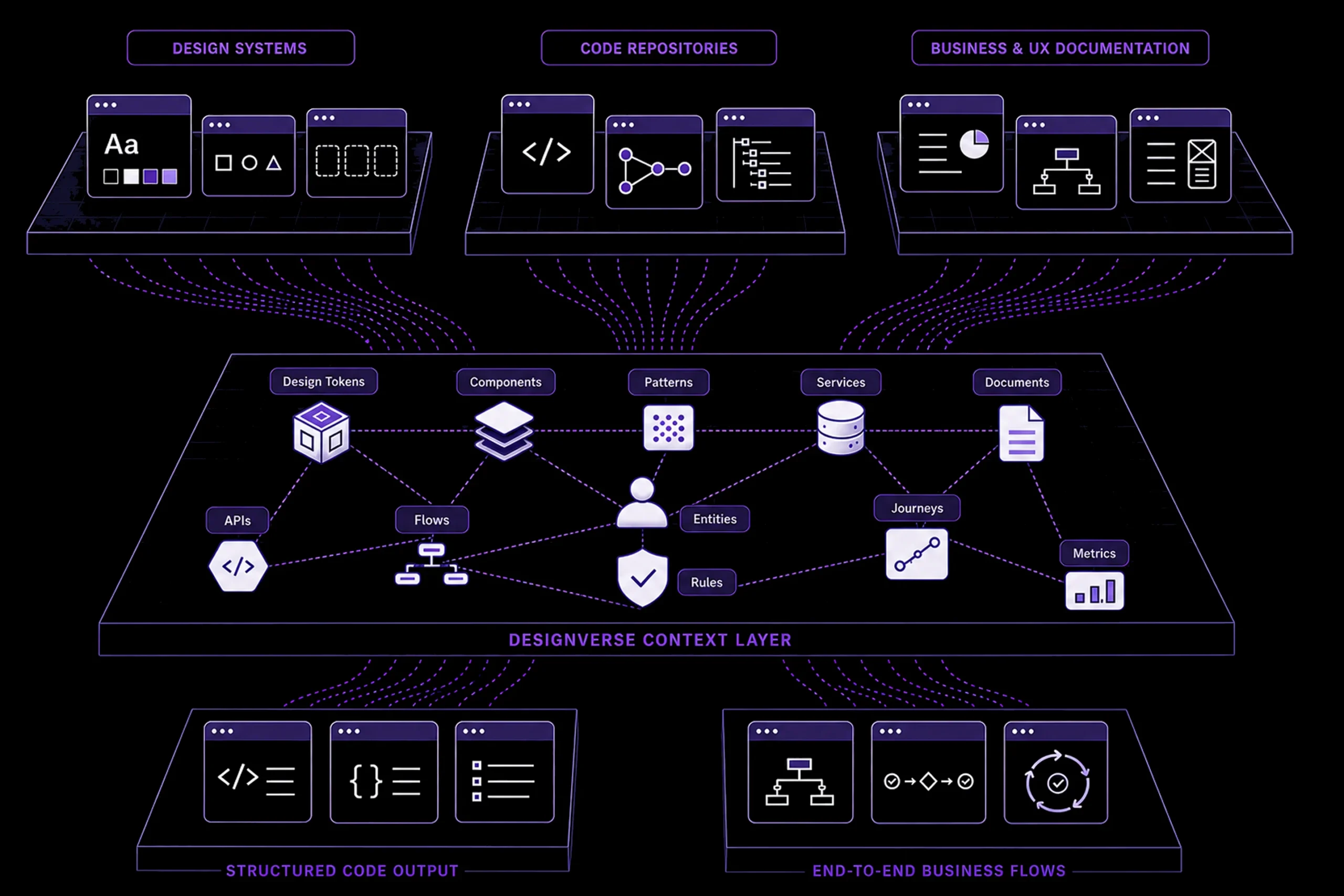
DesignVerse allows users to describe applications in natural language and generate working prototypes containing interfaces, business logic, and editable code. Unlike many lightweight “vibe coding” tools focused mainly on visual prototyping, DesignVerse positions itself closer to enterprise software infrastructure. Its platform creates a contextual layer built around an organization’s own documentation, design systems, and operational rules, enabling generated applications to align with internal technical standards rather than functioning as isolated prototypes.
This is strategically important because one of the biggest problems inside large organizations is implementation drift. Different teams often build systems inconsistently across departments, leading to fragmented interfaces, duplicated logic, and operational inefficiencies. DesignVerse attempts to reduce this problem by integrating AI-generated applications directly into organizational design and architecture frameworks.
The platform effectively compresses the distance between design intent and software implementation. Instead of manually translating specifications into engineering workflows, organizations can use AI systems to generate aligned prototypes and production-ready structures much faster. The significance of this model lies in operational consistency across large-scale enterprise environments.
Why is Enterprise AI Development Different?
Building software for enterprises is fundamentally different from generating simple consumer applications. Enterprise systems involve compliance requirements, internal business logic, design governance, and long-term maintainability constraints that most rapid prototyping tools are not designed to handle. DesignVerse is targeting this higher-complexity environment by focusing specifically on enterprise modernization and infrastructure workflows.
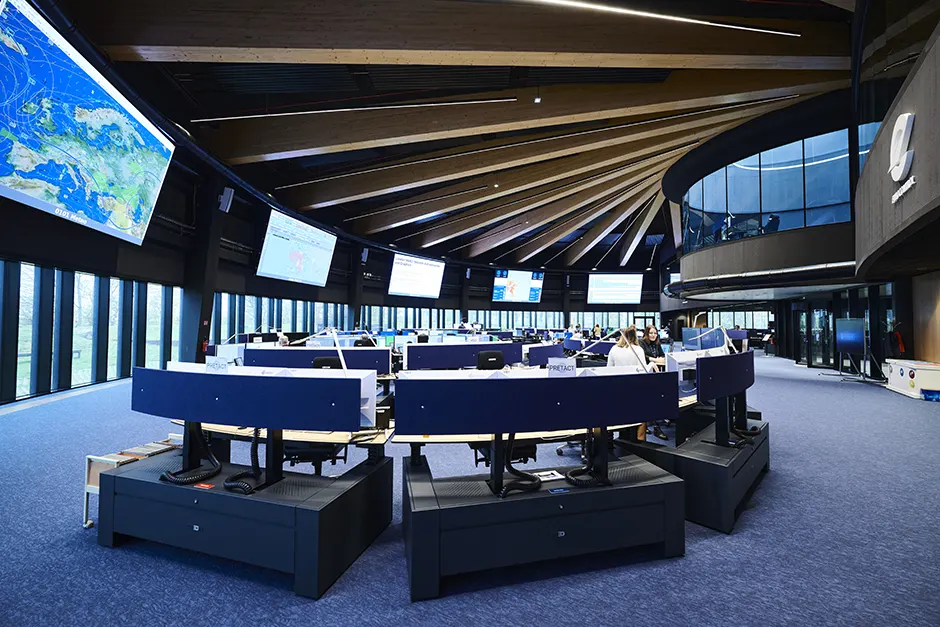
The company’s positioning around aviation infrastructure modernization across Europe highlights this distinction clearly. Enterprise sectors such as aviation, finance, logistics, and government rely heavily on aging software systems that are difficult to modernize because replacing them manually requires extensive coordination between engineering, operations, and compliance teams. AI-driven application generation introduces the possibility of accelerating modernization workflows while maintaining organizational standards.
DesignVerse’s enterprise focus also reflects a broader shift happening across AI software tooling. Earlier AI coding products primarily targeted individual developers or startups experimenting with rapid prototyping. Increasingly, however, companies are building systems designed for large operational environments where software generation must integrate with internal governance structures rather than operate independently. This creates a different competitive category from traditional no-code platforms. DesignVerse is attempting to operationalize software generation inside enterprise infrastructure itself.
The €4.6M Seed Round and European Expansion
DesignVerse recently raised more than €4.6 million in Seed funding after contributing to software modernization efforts tied to EUROCONTROL infrastructure projects across Europe. The funding provides the company with resources to continue expanding its AI-powered enterprise development platform while strengthening its position inside complex operational industries.
The investment reflects growing market interest in AI systems capable of generating software beyond experimental prototypes. Investors increasingly view enterprise AI development infrastructure as a significant category because large organizations continue struggling with software modernization bottlenecks tied to legacy systems and fragmented engineering workflows.
The company’s Bucharest base is also notable within the broader European AI ecosystem. Eastern Europe has become an increasingly important region for enterprise software engineering talent, and startups emerging from the region are beginning to compete more aggressively in infrastructure-level AI categories rather than purely outsourcing or implementation services.
DesignVerse’s challenge moving forward will involve proving that AI-generated enterprise software can remain maintainable, scalable, and operationally reliable over time. Enterprise adoption depends heavily on trust, governance, and system stability, particularly in industries where infrastructure failures carry significant operational consequences.

What Comes Next for AI-Generated Software?
The rise of platforms like DesignVerse signals a larger transition in how software may eventually be built inside organizations. AI-generated development environments are beginning to compress workflows that previously required large coordination layers between product, design, and engineering teams. This changes the role of developers from writing every component manually toward supervising, refining, and integrating AI-generated systems.
At the same time, AI-generated software still faces meaningful limitations. Enterprise systems require long-term maintainability, security oversight, and operational predictability that remain difficult to guarantee consistently with generative systems alone. The companies likely to succeed in this category will be those capable of combining generation speed with enterprise-grade governance and architectural reliability. Its platform suggests a future where organizational rules, architecture patterns, and operational logic become machine-readable infrastructure capable of shaping software generation automatically.
The broader implication is that software development itself may gradually become more declarative. Instead of describing systems entirely through code, organizations may increasingly describe intent, workflows, and operational requirements while AI systems generate much of the implementation layer underneath.
Why DesignVerse Reflects a Bigger Industry Shift?
DesignVerse represents more than another AI coding platform because it reflects how enterprise software development is beginning to shift from manual implementation toward infrastructure-level generation systems. Earlier software tools focused on helping developers work faster. Platforms like DesignVerse aim to restructure how organizations translate operational requirements into software altogether.
This transition could significantly affect industries dependent on large-scale modernization projects where technical debt and fragmented systems slow operational progress. If AI systems become capable of generating software environments aligned with enterprise governance structures automatically, the economics and speed of software modernization may change substantially.
The long-term opportunity for DesignVerse lies in whether organizations become comfortable treating AI systems not just as coding assistants but as foundational infrastructure for enterprise application development itself. That shift would move AI-generated software from experimental tooling into core operational workflows across industries where software complexity has historically limited modernization speed.
DesignVerse is targeting a meaningful gap between rapid AI prototyping and enterprise-grade software generation. Its long-term relevance will depend on whether AI-generated applications can maintain the reliability, governance, and consistency large organizations require beyond early-stage experimentation.