

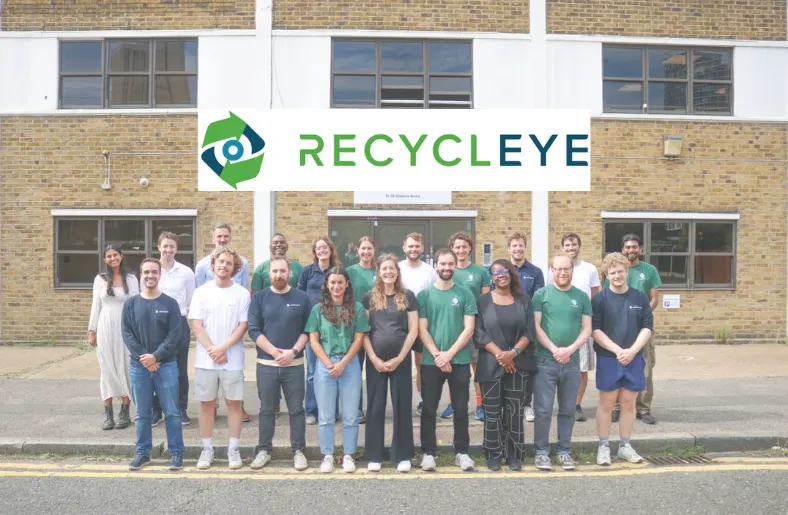
How Recycleye Sorts Waste and Improves Recycling Efficiency with AI and Robotics?
The Broken Economics of Recycling
Recycling has long been positioned as a cornerstone of sustainability, yet the underlying economics of the industry tell a more complicated story, where inefficiencies in sorting, contamination of materials, and rising operational costs have made it increasingly difficult for recycling facilities to operate profitably at scale. A significant portion of recyclable waste is either misclassified or discarded due to inaccuracies in sorting processes, which are often dependent on manual labor or outdated machinery that cannot keep pace with the complexity and volume of modern waste streams.
This creates a system where valuable materials are lost, recovery rates remain suboptimal, and facilities struggle to justify investments in improved infrastructure, ultimately limiting the effectiveness of recycling as a solution to environmental challenges. As global waste volumes continue to grow, driven by consumption patterns and urbanization, the need for more efficient, scalable, and economically viable sorting solutions has become increasingly urgent, highlighting a gap that traditional approaches have not been able to fully address.
Recycleye’s Core Idea: Turning Waste Into Data and Decisions
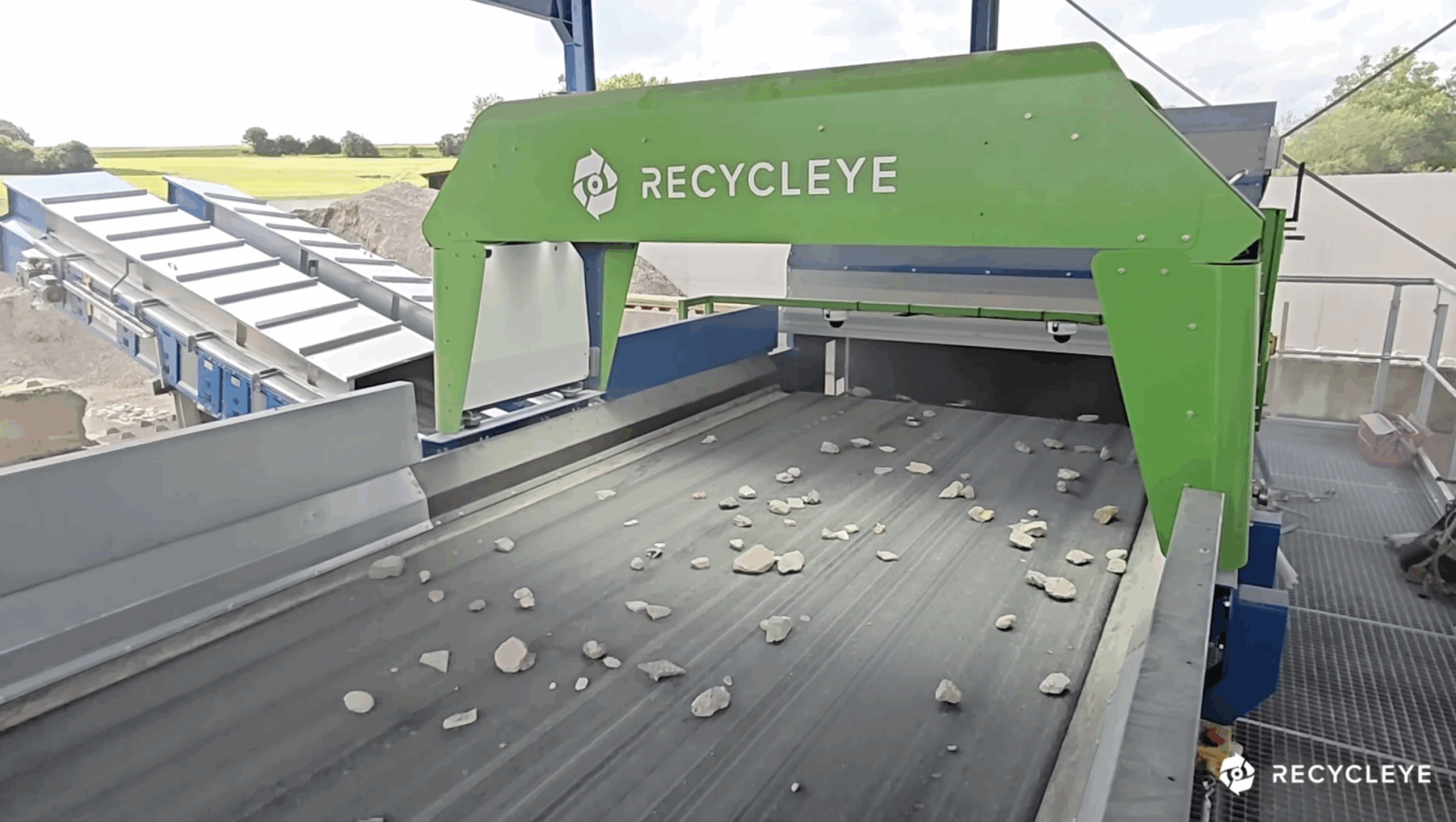
Recycleye approaches this problem by combining artificial intelligence, robotics, and data analytics to transform how waste is identified, sorted, and managed, effectively turning what was once a largely manual process into a data-driven system capable of continuous improvement. At the heart of its platform is a proprietary AI trained on billions of waste images, enabling it to recognize and classify materials with a level of accuracy comparable to the human eye, but at a speed and scale that manual processes cannot achieve. This capability is integrated into both optical sorting systems and robotic solutions, allowing facilities to automate the identification and separation of materials across different stages of the recycling process.
By embedding intelligence directly into the sorting infrastructure, Recycleye not only improves accuracy but also generates valuable data that can be used to optimize operations, reduce contamination, and increase recovery rates, creating a feedback loop where performance improves over time.
Robotics Meets Real-World Waste Complexity
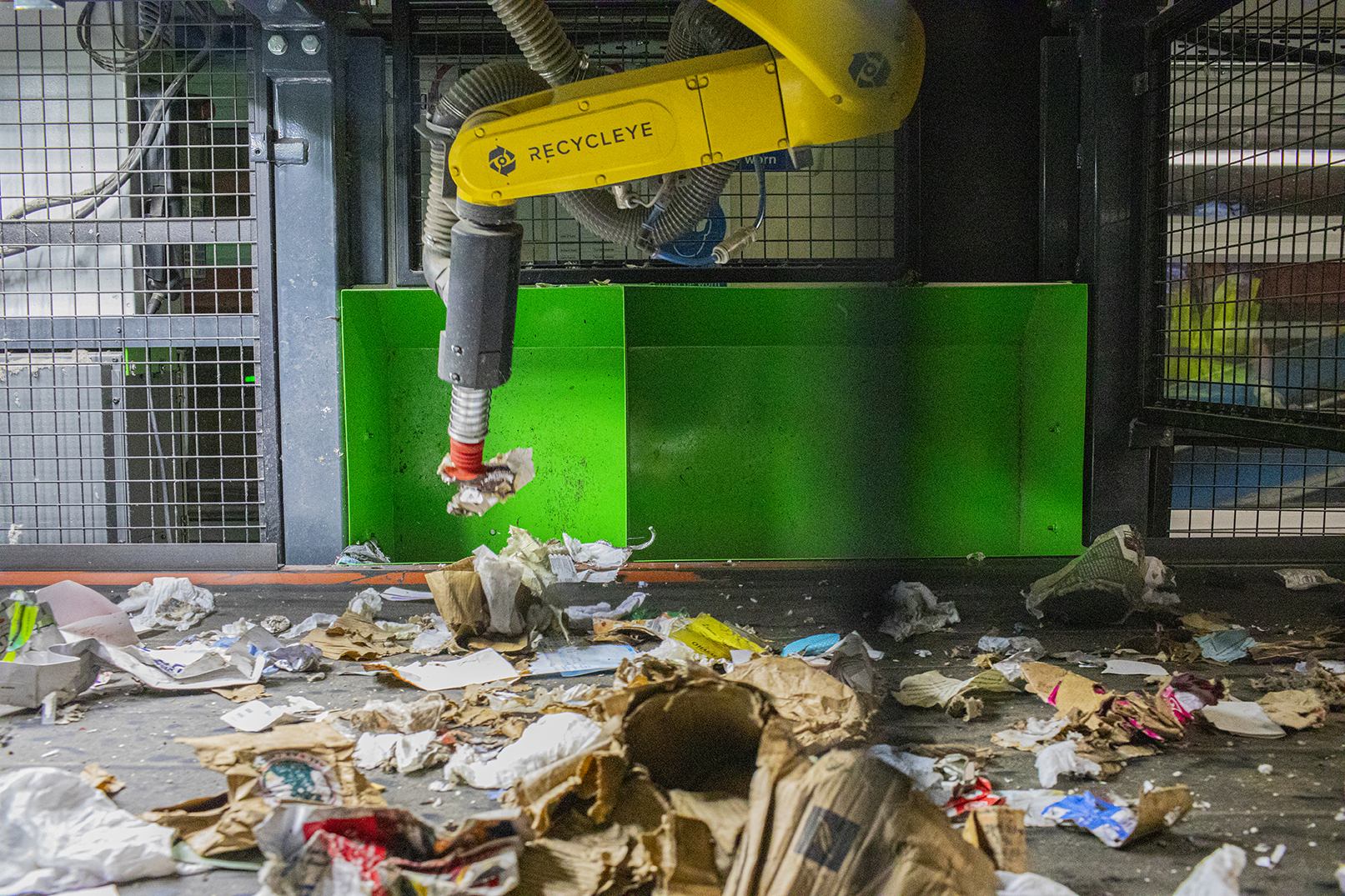
One of the defining challenges in waste management is the variability and unpredictability of the materials being processed, where items differ in shape, size, composition, and condition, making consistent sorting difficult even for experienced workers. Recycleye addresses this challenge through its robotic sorting systems, which combine AI-driven vision with mechanical precision to handle a wide range of materials in real time. These robots are designed to operate within existing facilities, integrating with conveyor systems and working alongside other equipment to enhance overall throughput and efficiency.
By automating tasks that are repetitive, labor-intensive, and prone to error, the technology reduces reliance on manual sorting while improving consistency and speed, enabling facilities to process larger volumes of waste without compromising on accuracy. This integration of robotics into the recycling process represents a significant step toward modernizing an industry that has historically lagged behind in adopting advanced technologies.
From Sorting to Insight: Building an Intelligence Layer for Recycling
Beyond the physical act of sorting, Recycleye’s platform extends into analytics, providing dashboards and data insights that allow operators to understand and optimize their processes at both strategic and operational levels. This intelligence layer transforms recycling facilities from reactive systems into proactive ones, where decisions can be informed by real-time data on material composition, contamination rates, and operational performance. By making this information accessible and actionable, Recycleye enables facilities to identify inefficiencies, adjust processes, and improve outcomes in a way that was previously difficult to achieve.
This shift from manual oversight to data-driven management is particularly important in an industry where margins are often tight and where small improvements in efficiency can have a significant impact on profitability, reinforcing the idea that the future of recycling lies not just in better machinery but in smarter systems.
Scaling Impact Across Global Waste Systems
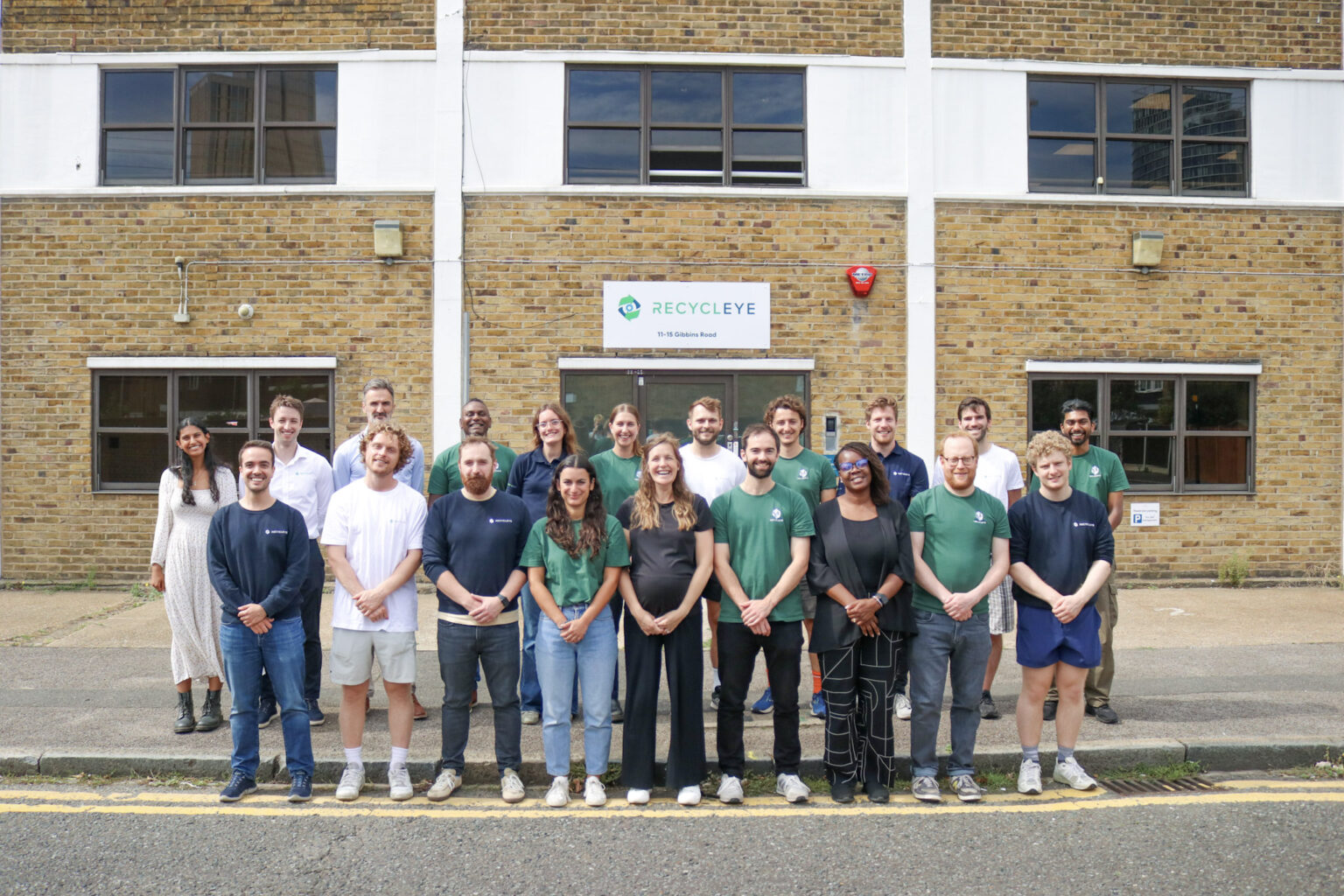
Recycleye’s approach is not limited to individual facilities but is designed to scale across different regions and waste management systems, reflecting the global nature of the challenges it seeks to address. By deploying its technology in Europe and the United States, the company is contributing to a broader transformation in how waste is managed, enabling more efficient recovery of materials and supporting the development of circular economies where resources are reused rather than discarded. This scalability is a key factor in the platform’s potential impact, as it allows the benefits of improved sorting and analytics to be realized across diverse contexts, from urban recycling centers to large-scale industrial operations.
As regulatory pressures increase and sustainability goals become more ambitious, the demand for solutions that can deliver both environmental and economic benefits is likely to grow, positioning Recycleye as a relevant player in the evolving landscape of waste management.
The Future of Recycling: Automation, Intelligence, and Economics
What Recycleye represents is a broader shift in how recycling is conceptualized, moving from a labor-intensive, cost-driven process to a technology-enabled system where automation and intelligence drive both efficiency and profitability. By addressing the fundamental challenges of sorting accuracy and operational visibility, the company is helping to change the economics of recycling, making it more viable as a long-term solution to waste management and resource recovery. This transformation is not just about improving existing processes but about redefining the role of recycling within the global economy, where it becomes a critical component of sustainable resource management rather than a secondary activity.
As technologies like AI and robotics continue to evolve, their integration into industries such as waste management will likely accelerate, creating new opportunities to address longstanding challenges and build systems that are both more efficient and more sustainable.