

Noreja Brings Clarity to Business Process Analysis and Optimization
The Visibility Problem Inside Modern Enterprises
Most organizations today are not lacking data; they are overwhelmed by it, yet still struggle to understand how their actual business processes function in practice, as operational workflows often span multiple systems, teams, and decision points that are only partially visible through traditional analytics tools. Process mining as a category emerged to address this gap by reconstructing workflows from system logs, but even these tools tend to focus on mapping what happened rather than explaining why it happened or what should be done next, leaving decision-makers with insights that are descriptive rather than actionable.
This limitation becomes more pronounced as businesses scale, where inefficiencies are not isolated but systemic, embedded within layers of processes that interact in complex ways, making root cause analysis time-consuming and often dependent on manual interpretation. The result is a persistent disconnect between operational data and operational understanding, where organizations can observe inefficiencies but struggle to resolve them quickly or confidently.
Noreja’s Core Idea: Generative Process Intelligence
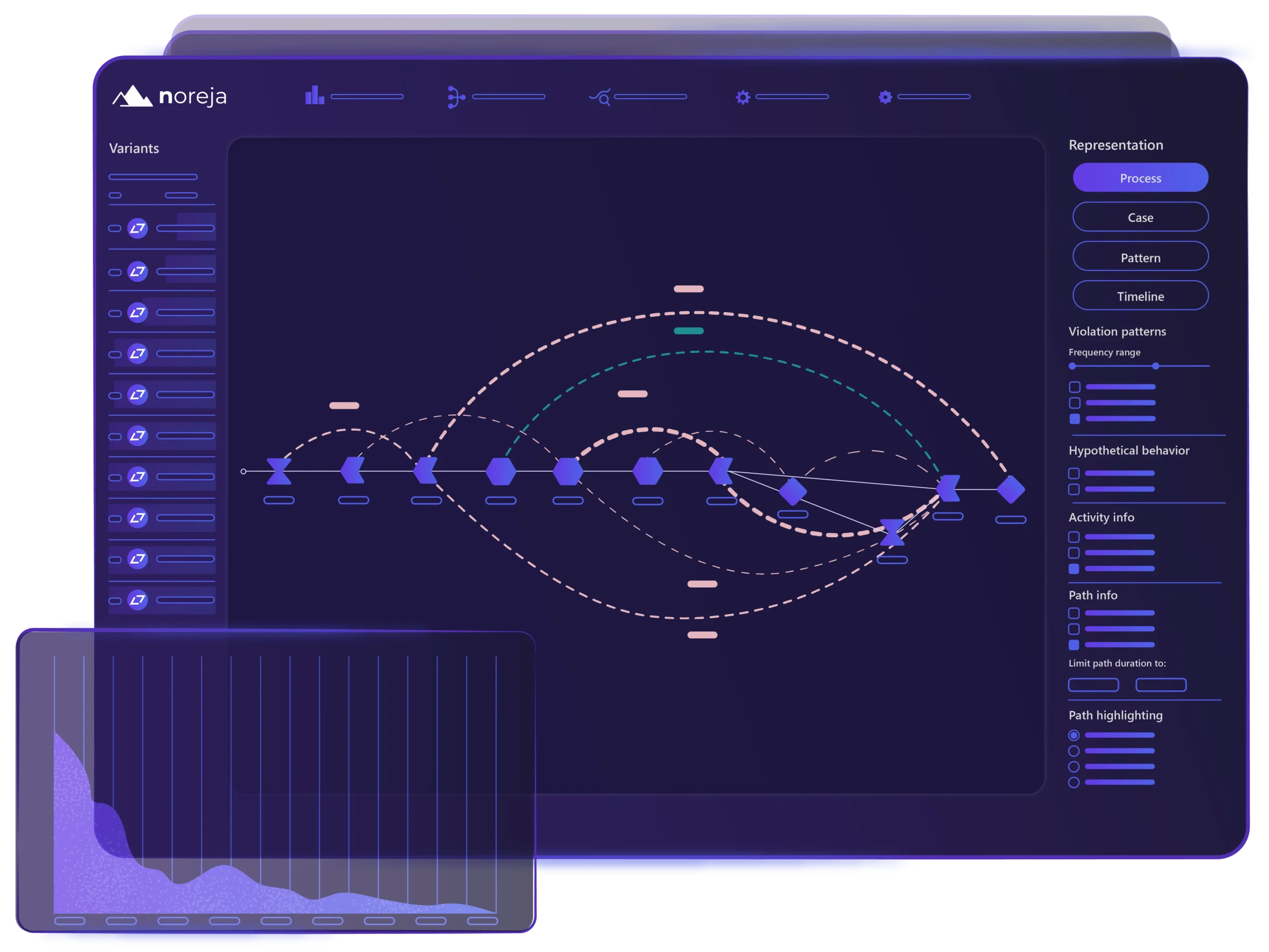
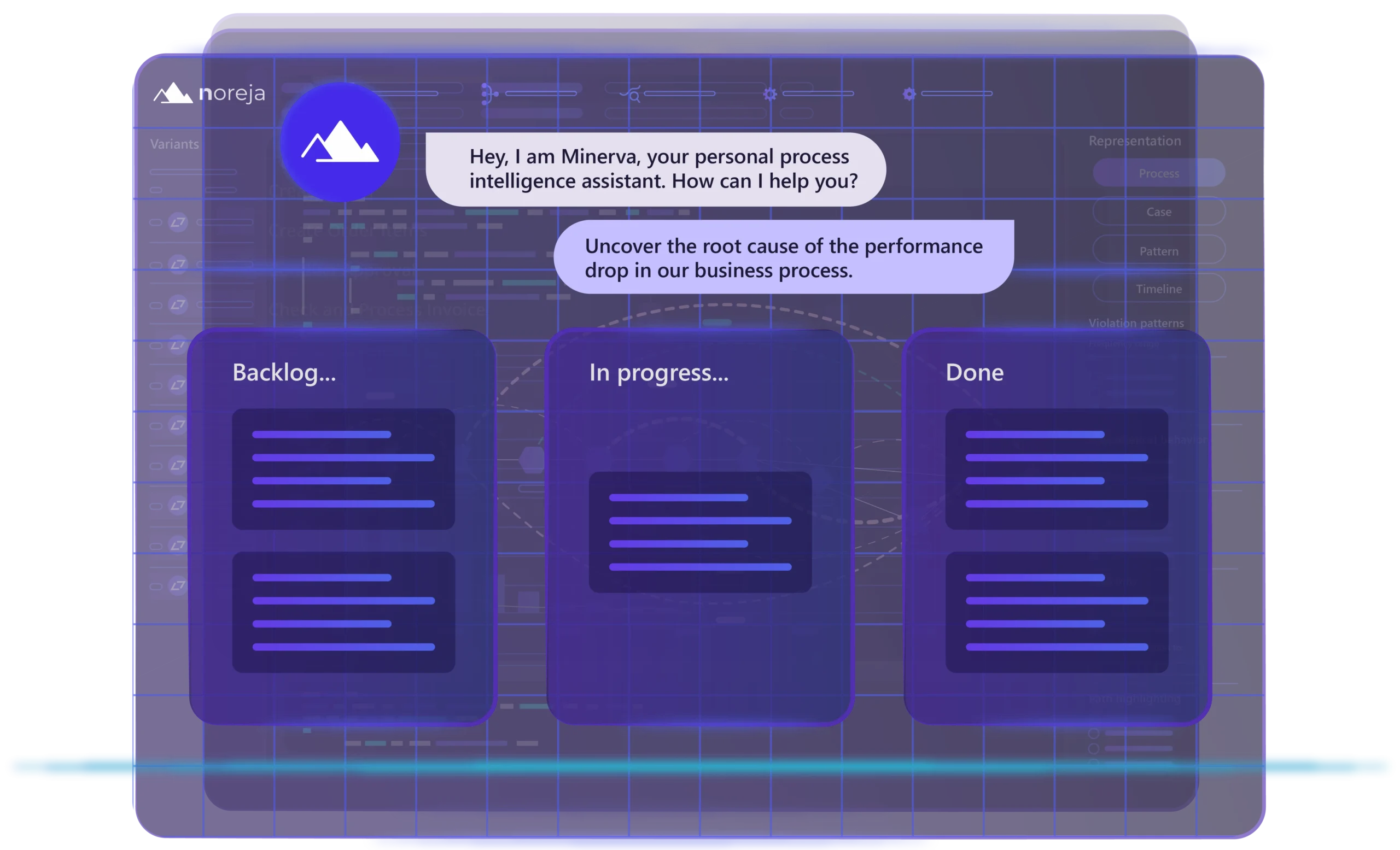
Noreja positions itself as a step beyond traditional process mining by introducing what it describes as “Generative Process Intelligence,” a framework that combines operational data with human knowledge and applies generative AI to create a more interactive and context-aware understanding of business processes. Instead of presenting static dashboards or predefined analyses, the platform allows users to engage with their processes conversationally, enabling them to ask questions, explore scenarios, and uncover root causes in a way that feels closer to working with a knowledgeable expert than navigating a software tool.
This shift from passive observation to active interaction is significant, as it transforms process analysis from a specialized function into a more accessible capability that can be used across different roles within an organization.
By contextualizing data and integrating it with domain-specific knowledge, Noreja aims to reduce the time required to identify and resolve operational issues, while also improving the precision of the insights generated.
Noreja Raises €1.1M to Expand AI-Driven Process Intelligence
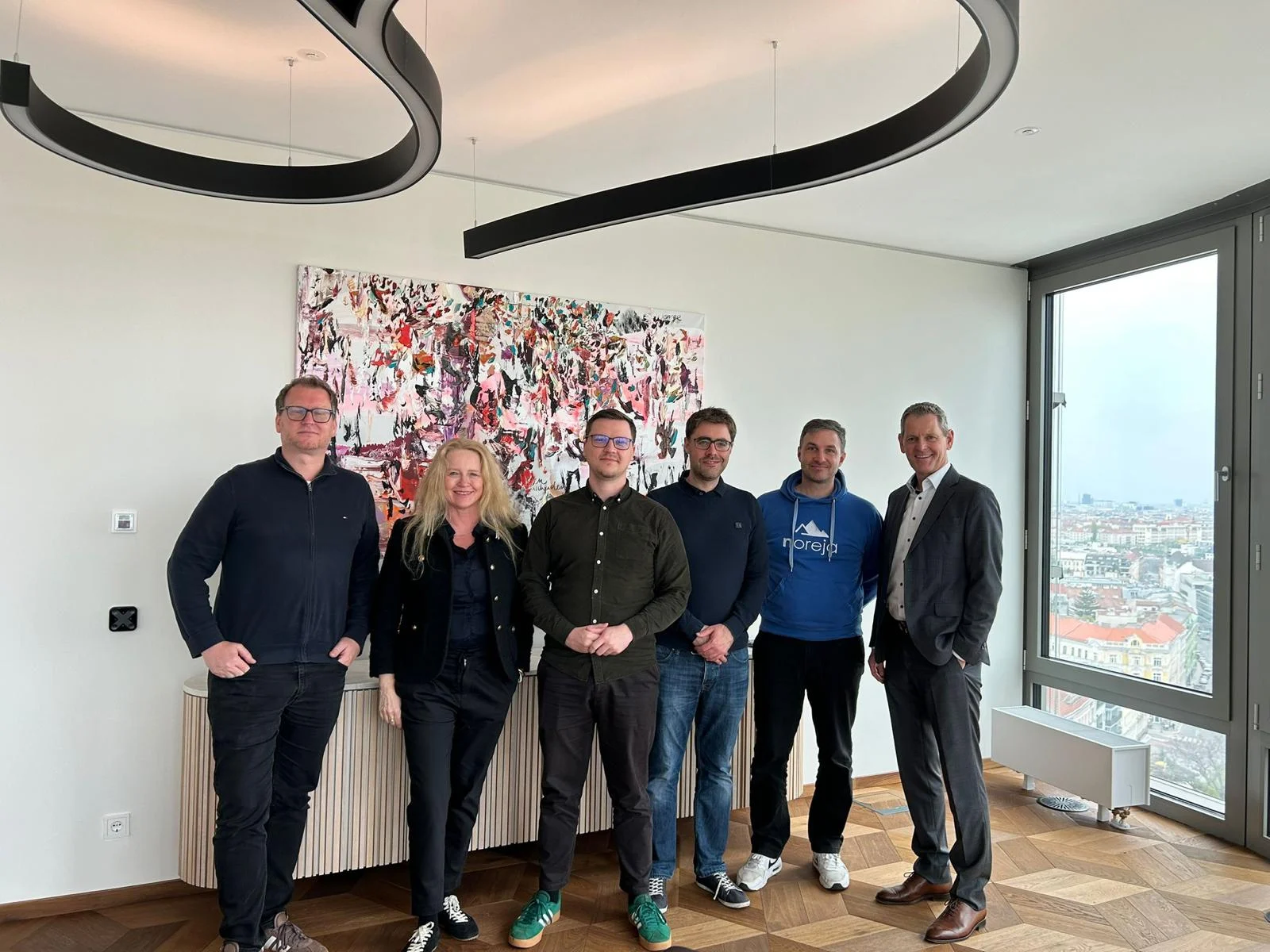
Noreja’s €1.1 million funding round represents an important milestone in its development, providing the resources needed to further refine its platform, expand its capabilities, and accelerate adoption among enterprises looking to modernize their approach to process analysis. The funding reflects growing interest in solutions that can move beyond traditional analytics and deliver more actionable insights, particularly as organizations increasingly recognize the limitations of existing tools in addressing complex operational challenges.
By focusing on the integration of generative AI with process mining, Noreja is positioning itself within a rapidly evolving segment of the enterprise software market, where the ability to translate data into decisions is becoming a key differentiator.
The investment also signals confidence in the company’s vision of making process intelligence more intuitive and accessible, reducing the reliance on specialized expertise and enabling a broader range of users to engage with operational data.
From Analysis to Action: The Future of Process Optimization
What Noreja ultimately represents is a shift in how organizations approach process optimization, moving from a model where analysis and action are separate stages to one where they are integrated into a continuous loop of insight and improvement. By enabling users to interact with their processes in real time and generate context-aware recommendations, the platform bridges the gap between understanding and execution, allowing businesses to respond more quickly to inefficiencies and changing conditions.
This approach aligns with a broader trend in enterprise technology, where the focus is increasingly on building systems that can adapt and evolve alongside the organizations they support, rather than providing static solutions that require constant manual intervention. As generative AI continues to expand its role within enterprise software, platforms like Noreja are likely to play a key role in shaping how businesses manage complexity, offering a more dynamic and responsive approach to process analysis and optimization.