


How Terra AI & a New Generation of Startups Are Using AI to Find the World’s Next Critical Mineral Deposits?
Why Traditional Mineral Exploration Still Relies on Costly Guesswork?
Finding economically viable mineral deposits remains one of the most expensive and uncertain processes in the natural resources industry. Despite advances in geological science, mineral exploration still depends heavily on incomplete data, expert interpretation, and large amounts of fieldwork. Exploration companies often spend years collecting geological, geophysical, and geochemical information before drilling test sites that may ultimately yield little value. The economics are challenging. Most exploration projects fail to become producing mines, while the cost of discovering new deposits continues to rise.
At the same time, global demand for critical minerals such as lithium, copper, nickel, cobalt, and rare earth elements is increasing rapidly due to electrification, renewable energy infrastructure, battery manufacturing, and data center expansion. This growing supply challenge has created interest in technologies that can improve exploration efficiency. Terra AI is among a new generation of startups attempting to modernize exploration through artificial intelligence. The company believes that machine learning can help identify patterns hidden within geological datasets and improve the probability of discovering valuable resources while reducing exploration costs.
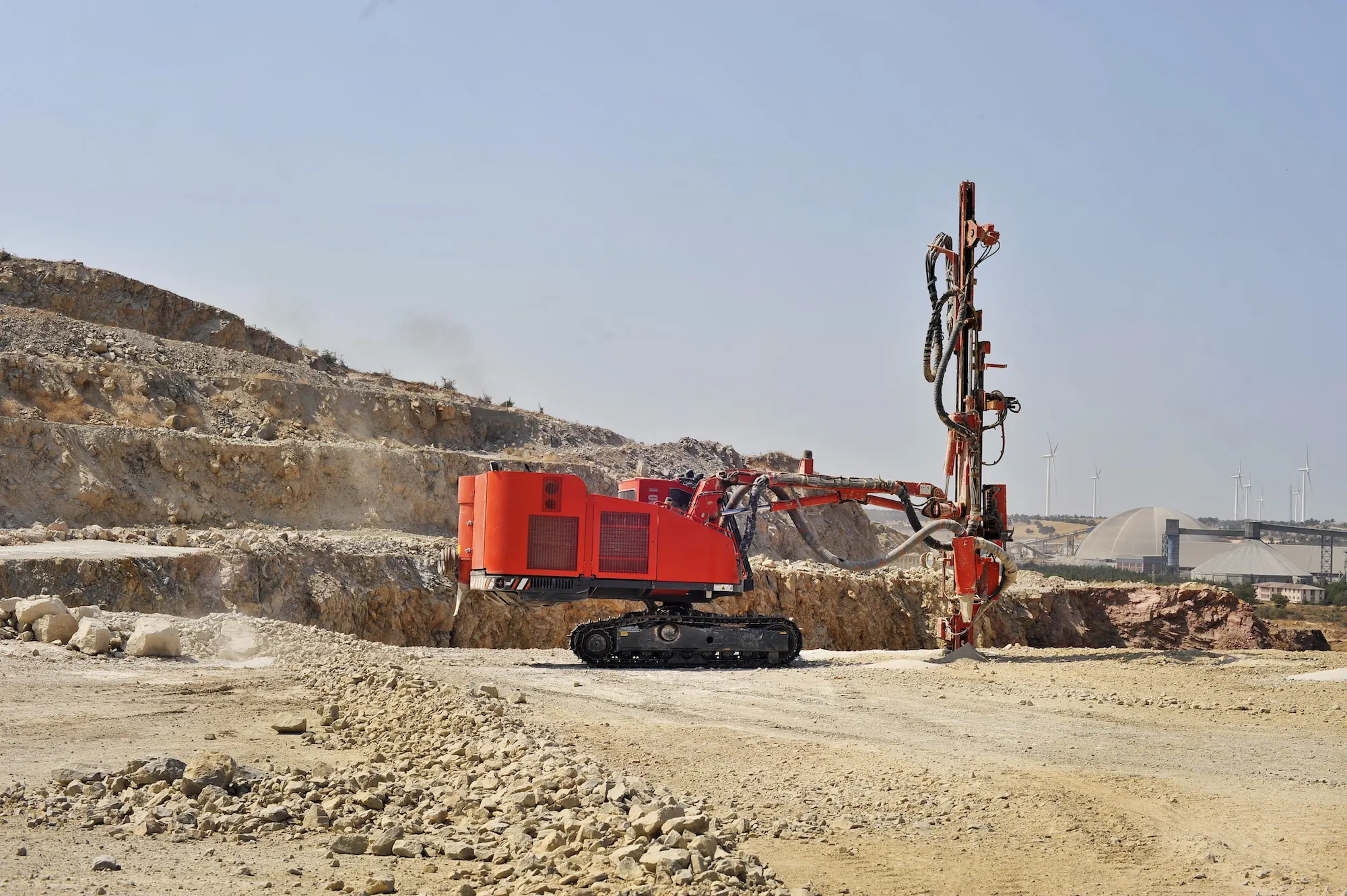
How Terra AI Uses Machine Learning to Predict What Lies Beneath the Surface?
Terra AI develops AI-powered modeling systems designed to analyze complex subsurface environments across mineral exploration and natural resource projects. Rather than relying solely on traditional geological interpretation, the company combines machine learning with large-scale geological and geospatial datasets to generate predictive models of what may exist beneath the Earth’s surface. Its platform is designed to help resource companies evaluate exploration opportunities, optimize project design, reduce capital expenditures, and improve resource outcomes. The company also applies its technology to reservoir modeling, extending its capabilities beyond mining into broader subsurface resource applications.
One of the most significant challenges in exploration is the fragmented nature of geological information. Data often comes from multiple sources, collected over different time periods and across varying levels of quality. Machine learning systems can help process these datasets at a scale that would be difficult for human teams alone. By identifying subtle correlations and patterns, Terra AI aims to provide exploration companies with more informed decision-making tools before committing to expensive drilling programs. The company’s broader objective is not to replace geological expertise but to augment it with computational intelligence capable of evaluating far larger volumes of information than traditional workflows allow.
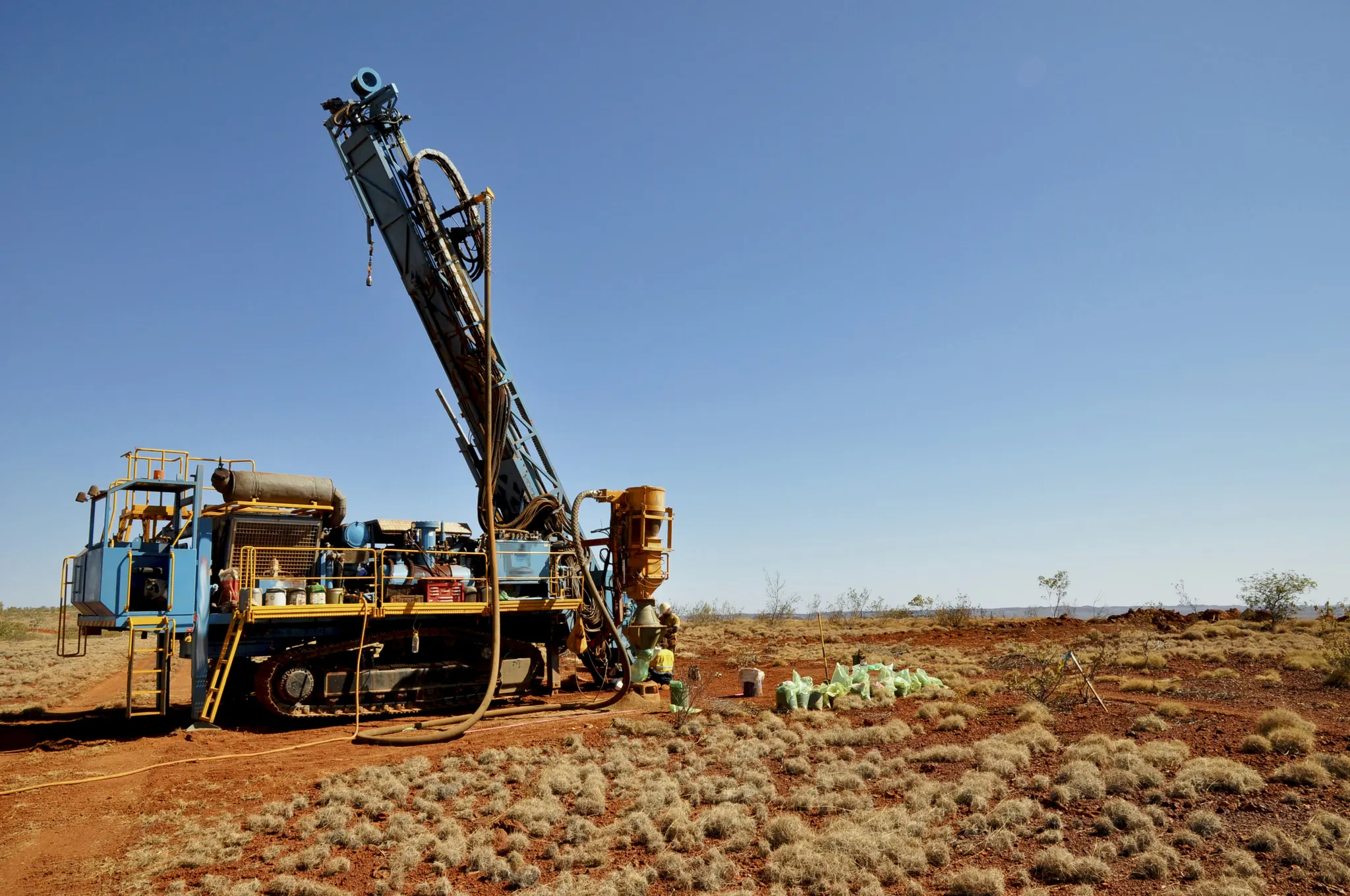
Terra AI Raises $20 Million to Build the Future of AI-Native Subsurface Modeling
Terra AI recently raised $20 million in funding led by Khosla Ventures to accelerate development of its AI-native subsurface modeling platform. The investment reflects growing confidence that artificial intelligence can play a meaningful role in transforming industries traditionally driven by physical science, engineering, and field operations.
Investor interest in the company extends beyond mineral exploration itself. Terra AI is building infrastructure designed to improve how organizations model, analyze, and optimize subsurface environments across a range of natural resource applications. As computational capabilities continue advancing, predictive modeling is becoming an increasingly valuable layer within industries that manage large-scale physical assets.
The funding will support product development, expansion of the company’s modeling capabilities, and broader adoption across resource industries. More importantly, it highlights a shift in how investors view AI opportunities. Rather than focusing exclusively on consumer applications and enterprise software, capital is increasingly flowing toward startups applying artificial intelligence to foundational sectors such as energy, mining, infrastructure, and natural resources.

Can AI Outperform Human Geologists in the Race for Critical Minerals?
The question of whether artificial intelligence can outperform experienced geologists is becoming increasingly relevant as exploration companies adopt more advanced analytical tools. In practice, the answer may not be a simple competition between humans and machines. Geological interpretation involves decades of accumulated scientific knowledge, field experience, and contextual understanding that remains difficult to replicate fully through algorithms. However, AI offers advantages in pattern recognition, data integration, and large-scale analysis. Machine learning systems can evaluate thousands of variables simultaneously, identify relationships that may be overlooked by humans, and continuously refine predictions as new information becomes available. In industries where exploration success rates remain relatively low, even modest improvements in prediction accuracy can create significant economic value.
This is particularly important in the search for critical minerals required for the global energy transition. Governments and industries worldwide are seeking new supplies of strategic resources needed for electric vehicles, energy storage systems, transmission infrastructure, and advanced technologies. Accelerating discovery while reducing exploration risk has become a strategic priority. Companies like Terra AI represent a broader trend toward AI-assisted resource discovery.
Terra AI is applying artificial intelligence to one of the most data-intensive and uncertain industries in the world. If machine learning can meaningfully improve exploration outcomes, the impact could extend far beyond mining, influencing how critical resources are discovered, developed, and managed in an increasingly resource-constrained world.