


Cambridge-based Auryx is turning earbuds into health monitors
Health Tracking Still Depends on Extra Devices
Health monitoring today is still largely tied to dedicated hardware. Smartwatches, chest straps, and specialized medical devices dominate the space, each designed to track specific metrics such as heart rate or respiration. While these tools have improved accessibility, they introduce friction by requiring users to adopt and maintain additional devices. This limits continuous usage and reduces the consistency of collected data.
Many users simply do not wear these devices all day, which creates gaps in monitoring. Cambridge-based Auryx approaches this problem from a different direction by focusing on devices people already use daily. Instead of adding another layer of hardware, it aims to extract health insights from something as common as earbuds, shifting the emphasis from ownership of devices to utilization of existing ones.
Turning Sound Into a Source of Health Data
At the center of Auryx’s approach is the idea that sound carries physiological information that can be decoded with the right models. Earbuds are already equipped with microphones designed for calls and audio input. Auryx uses machine learning to interpret subtle acoustic signals generated within the ear and surrounding areas, translating them into measurable health indicators.
These include heart rate, heart rate variability, and respiration patterns. By treating sound as a continuous data stream, the system enables passive monitoring without requiring active user engagement. This creates a scenario where health tracking becomes embedded into everyday behavior rather than being a separate activity that users must consciously maintain.

How Machine Learning Enables Continuous Monitoring?
The technical challenge lies in isolating meaningful biological signals from noisy audio environments. Auryx’s models are designed to filter and interpret these signals in real time, distinguishing between relevant physiological data and external interference. This requires a combination of signal processing and adaptive learning, allowing the system to improve accuracy over time. The use of existing earbuds introduces variability in hardware quality and placement, which adds another layer of complexity.
Auryx addresses this by building models that can generalize across different devices while still maintaining reliable outputs. The result is a system that can operate continuously, providing insights without interrupting the user’s normal routine.
Why This Could Change Consumer Health Monitoring?
If successful, Auryx’s approach could shift how consumers interact with health technology. Instead of relying on dedicated wearables, users could access similar insights through devices they already carry. This reduces barriers to adoption and increases the likelihood of consistent data collection. Continuous monitoring also enables earlier detection of anomalies, which can be critical for managing long-term health conditions.
At the same time, it raises questions about data accuracy and interpretation, especially when compared to medical-grade devices. The balance between accessibility and precision will play a key role in determining how widely this approach is adopted. Still, the idea of integrating health monitoring into everyday audio devices introduces a new direction for the industry.
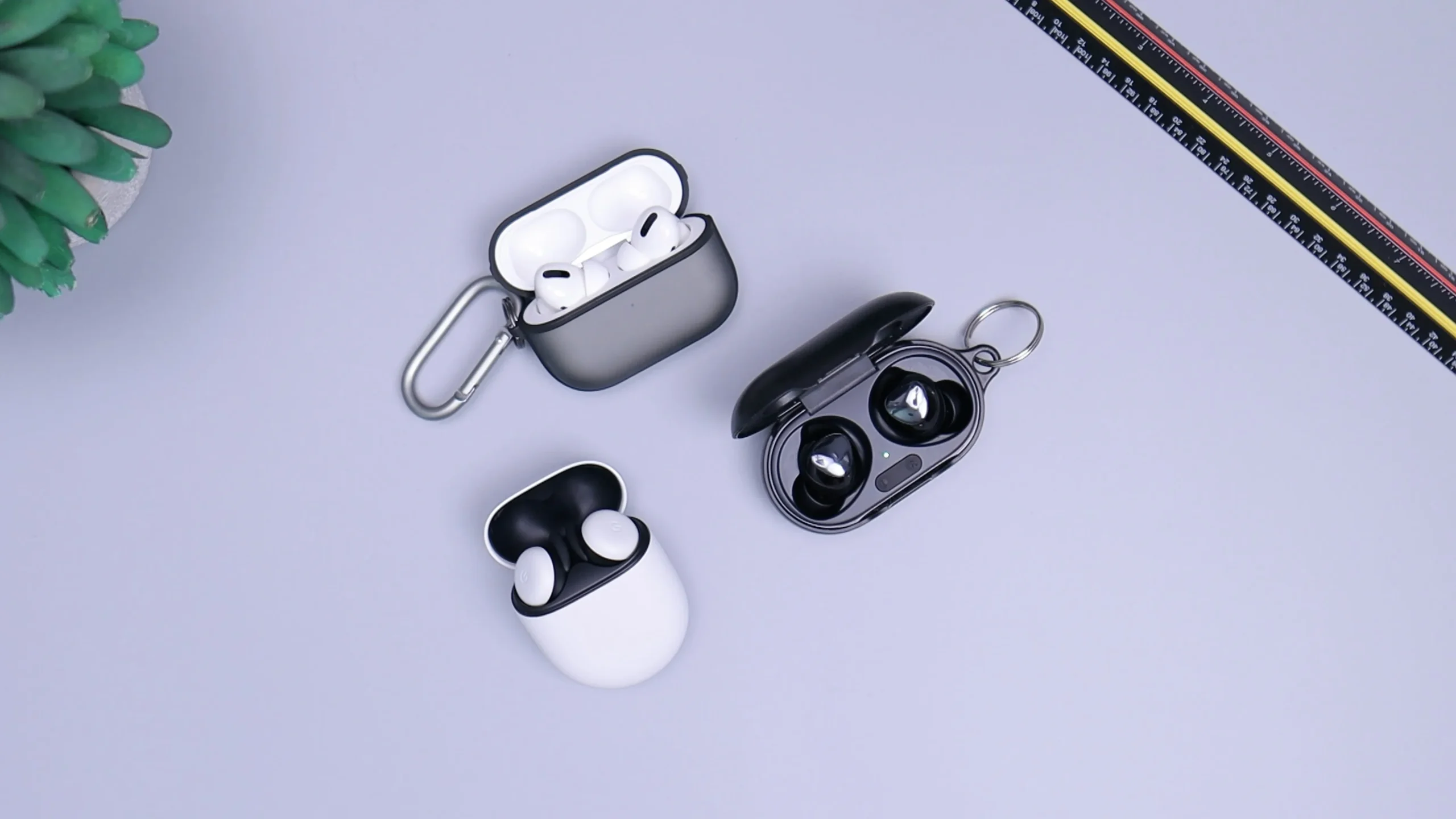
Cambridge-based Auryx raised $2M Pre-Seed Funding
Auryx’s $2 million pre-seed funding round signals early confidence in the potential of sound-based health monitoring. The investment provides the company with resources to further develop its models, expand testing, and refine its technology across different use cases. It also reflects a broader interest in healthtech solutions that move beyond traditional hardware constraints.
Investors are increasingly looking at software-driven approaches that can scale without requiring new physical devices. For Auryx, this funding supports its effort to transition from concept to practical implementation, while positioning itself within a competitive and rapidly evolving market.

From Earbuds to a Broader Health Intelligence Layer
While the current focus is on earbuds, the underlying concept extends beyond a single device category. Auryx’s work suggests a future where health insights are derived from multiple everyday technologies, creating a distributed network of monitoring systems. By starting with audio-based data, the company is exploring a less conventional pathway that could complement existing methods.
The long-term vision involves building a foundation model capable of interpreting sound as a reliable indicator of health across different contexts. This approach has the potential to expand into areas such as early diagnosis, fitness optimization, and personalized healthcare. Its success will depend on how effectively the technology can scale while maintaining trust and accuracy.
Auryx is exploring an unconventional but practical direction in health monitoring by leveraging devices people already use. The concept has strong potential, but its real impact will depend on how accurately it can translate sound into reliable health data across diverse real-world conditions.