

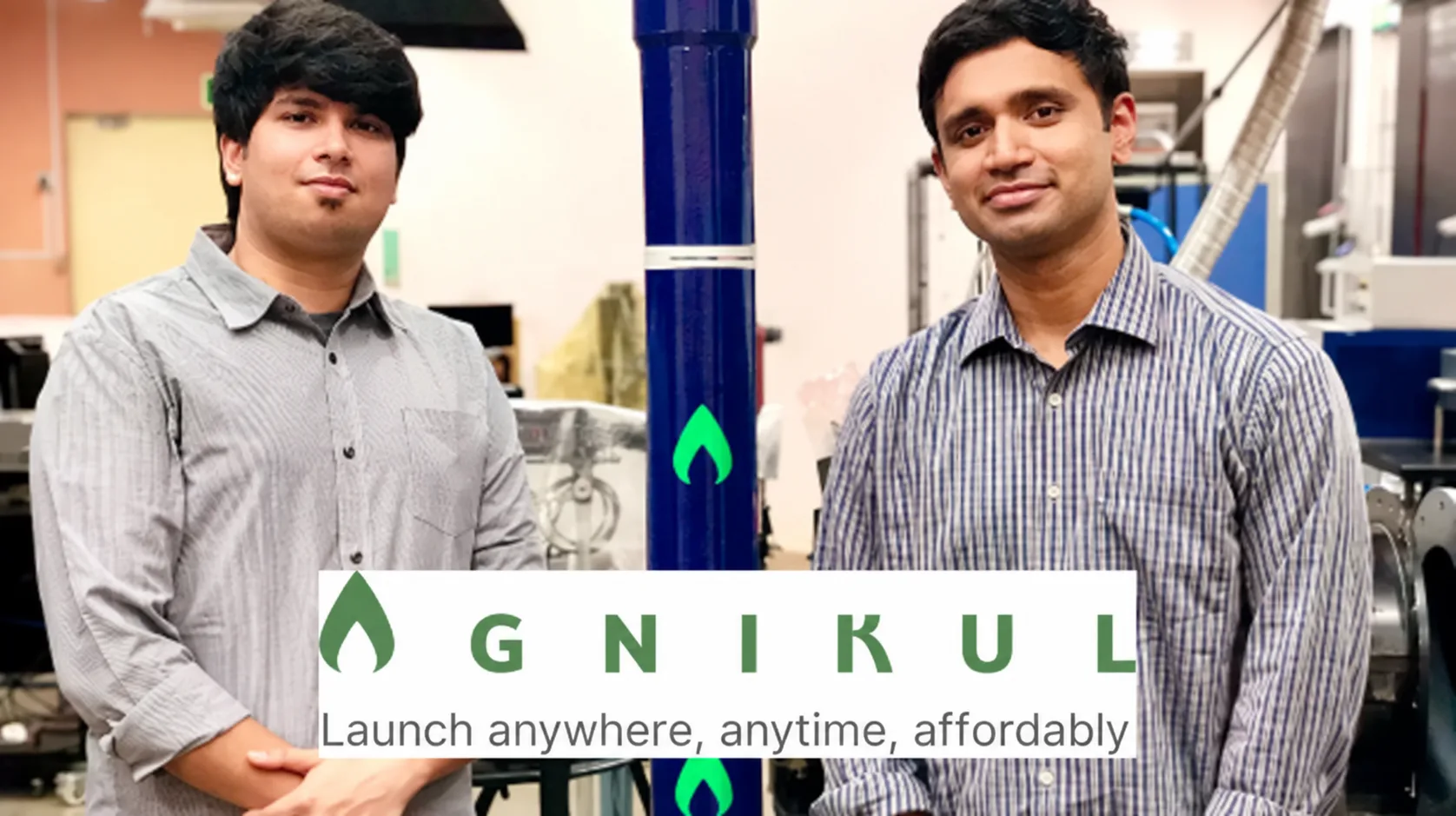
Agnikul Is Printing the Future of Rockets
Inside Chennai-Based Agnikul Cosmos
Rockets have largely been designed as highly specialised machines where changing the configuration can require significant engineering and manufacturing work. Agnikul Cosmos is pursuing a different philosophy: build the launch vehicle around the satellite rather than forcing every satellite to fit the same rocket. Incubated at IIT Madras and headquartered in Chennai, the company designs, manufactures, tests, and launches orbital-class vehicles for micro and nanosatellites. Its flagship Agnibaan is designed for low Earth orbit missions and can be configured according to payload requirements.
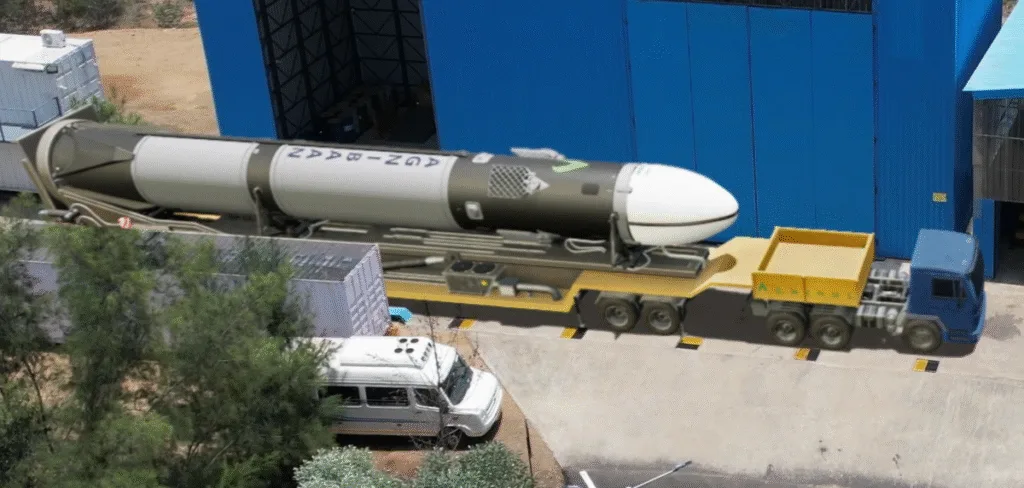
The company has already demonstrated part of this philosophy through Agnibaan SOrTeD, its sub-orbital technology demonstrator, which successfully flew on May 30, 2024 from Agnikul Launchpad-01 at Sriharikota. The mission was significant because it became the first flight of a rocket powered by a single-piece 3D-printed engine and launched from India’s first private launchpad. Agnikul is now moving toward orbital missions, with launches of up to 100 kg and 300 kg to LEO currently listed for 2027.
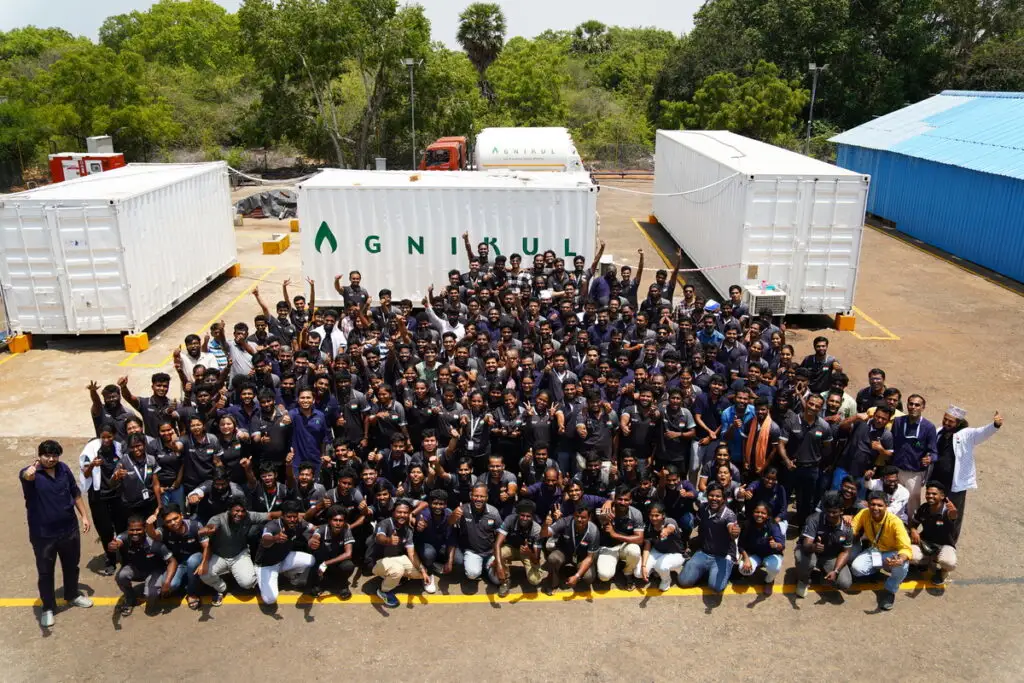
3D-Printed Engines Are at the Heart of Agnikul’s Approach
The most distinctive element of Agnikul’s technology is its use of additive manufacturing for rocket propulsion. Its Agnilet and Agnite semi-cryogenic engines are manufactured as single-piece structures using Inconel, with components including the injector and cooling channels incorporated into the printed assembly. Traditional rocket engines can involve thousands of components that must be assembled through processes such as welding and brazing. Agnikul’s approach aims to reduce that complexity while allowing its propulsion systems to be manufactured and modified more flexibly.
The company combines this with a clusterable rocket architecture, meaning the number of engines can be adjusted for different payload requirements, while its in-house autopilot is designed to accommodate different vehicle configurations. Agnikul also develops its own avionics and propulsion components, creating a tightly integrated system where hardware and software can be modified together. Its mobile launchpad adds another layer of flexibility, allowing the company to transport and assemble launch infrastructure closer to the geographic location suited to a particular mission.
The Future of Space Launches Could Be Built Around the Payload
Agnikul’s larger proposition is about changing the economics and logistics of launching smaller satellites. As satellite constellations expand and spacecraft become increasingly specialised, customers may value launch vehicles that can be configured around individual payloads rather than relying on fixed architectures and shared-launch schedules. Agnikul is continuing to develop that model through repeated engine testing and new infrastructure. Its published milestones include simultaneous testing of multiple semi-cryogenic engines, the development of a large-format additive manufacturing facility, and plans to scale its manufacturing footprint.
The company has also announced a ₹400 crore investment and construction plan for a new facility in Thoothukudi, Tamil Nadu, while its latest mission roadmap includes orbital launches in 2027. Its journey will ultimately depend on achieving the reliability, regulatory readiness, launch cadence, and economics required for commercial orbital operations. But the underlying idea is compelling: if rockets can be manufactured more flexibly and configured more precisely around what each satellite needs, launching into space could begin to resemble a service that is ordered for a mission rather than a rigid vehicle that a mission must adapt to.
If Agnikul Cosmos can translate its manufacturing innovations into dependable orbital operations, its impact could extend beyond a single launch vehicle. The company’s approach points toward a broader shift in spaceflight: rockets becoming more modular, digitally integrated, and responsive to customer needs. The next milestone is turning that flexibility into consistent commercial launches.