


Fixing the Grid: How Critical Loop Delivers Power When Infrastructure Fails?
The Grid Is Breaking Under Modern Demand
For more than a century, power grids have been designed around a simple assumption: electricity flows from centralized generation sources through fixed infrastructure to predictable points of demand. That assumption no longer holds. The rise of data centers, electrification of transport, industrial automation, and the rapid expansion of AI workloads have created demand patterns that are both more intense and less predictable than anything traditional grids were built to handle, and the result is a system that increasingly struggles to keep up.
Delays in grid interconnection, capacity constraints, and aging infrastructure are no longer isolated issues but systemic bottlenecks that directly impact economic growth, forcing companies to wait months or even years to access the power they need to operate at full capacity, and in this environment, access to electricity is no longer just a utility concern but a strategic constraint.
A New Category: Power Infrastructure on Demand
Critical Loop is emerging within this context as a company that is not trying to incrementally improve the existing grid but instead change how power is delivered altogether by introducing the concept of rapidly deployable, modular energy systems that function as on-demand infrastructure. Rather than waiting for traditional grid upgrades or new connections, the company enables businesses to deploy scalable microgrids that can be installed quickly and operate independently or alongside existing infrastructure, effectively bypassing one of the most persistent bottlenecks in modern energy systems.
This approach reframes power delivery as something that can be provisioned dynamically based on need, much like cloud computing transformed access to computing resources, and it signals a broader shift toward infrastructure models that prioritize flexibility, speed, and adaptability over permanence.
Inside the Critical Loop System
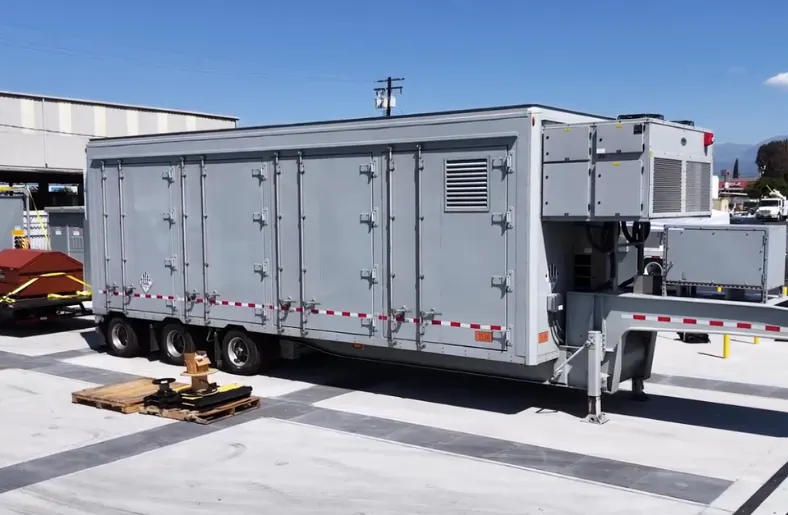
At the core of Critical Loop’s offering is the integration of physical microgrid infrastructure with predictive software that continuously optimizes how energy is generated, stored, and distributed across a site, creating a system that is both responsive and efficient in real time. The hardware component consists of modular, containerized energy units that can be deployed across a wide range of environments, from industrial facilities and transportation hubs to data centers and critical infrastructure sites, while the software layer analyzes usage patterns, forecasts demand, and dynamically adjusts operations to ensure that energy is delivered where and when it is needed most.
This combination of hardware and intelligence allows the system to operate not as a static backup solution but as an active, adaptive layer within the broader energy ecosystem, capable of improving reliability while reducing costs.
Solving the Interconnection Bottleneck
One of the most immediate and tangible problems Critical Loop addresses is the delay associated with grid interconnection, which has become a significant barrier for businesses attempting to expand operations or launch new facilities. Traditional processes for connecting to the grid can involve complex regulatory approvals, infrastructure upgrades, and long waiting periods, all of which slow down project timelines and increase costs, particularly for industries that depend on consistent and high-capacity power.
By providing an alternative pathway to access energy through its deployable microgrid systems, Critical Loop effectively decouples operational timelines from grid constraints, allowing companies to move forward with their plans without being held back by infrastructure limitations, and in doing so, it transforms what has traditionally been a fixed dependency into a variable that can be managed.

Where It Matters Most: Industrial and Digital Infrastructure
The relevance of Critical Loop’s model becomes particularly clear in sectors where power availability directly determines operational capability, such as manufacturing, logistics, transportation, and data infrastructure. Data centers, for example, are experiencing unprecedented growth driven by AI and cloud computing, yet many face delays in securing sufficient grid capacity to support expansion, while industrial operators often encounter similar challenges when scaling production or modernizing facilities.
In these environments, the ability to deploy reliable, high-capacity power systems on demand provides a competitive advantage, enabling organizations to maintain continuity, avoid downtime, and respond more effectively to changing market conditions, and as these sectors continue to evolve, the demand for flexible energy solutions is likely to increase rather than diminish.
The $26M Signal: Scaling a New Infrastructure Model
Critical Loop’s $26 million Series A funding round represents more than just capital for expansion, as it signals growing confidence in a model that treats energy infrastructure as something that can be modular, deployable, and responsive rather than fixed and slow-moving. The funding is expected to support the scaling of its technology, expansion into new markets, and further development of its predictive software capabilities, all of which are critical for establishing a foothold in a space that is rapidly gaining attention from both industry players and investors.
At a time when energy reliability is becoming a defining factor for economic activity, this level of investment reflects a recognition that solutions addressing grid constraints are not niche innovations but foundational components of the next phase of industrial growth.
Beyond Backup Power: A Shift in Energy Architecture
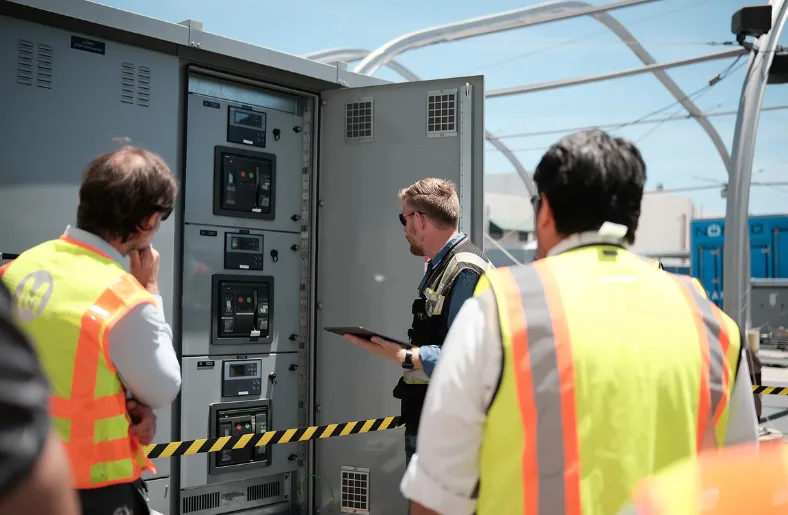
What distinguishes Critical Loop’s approach from traditional backup power solutions is that it is not designed merely to provide redundancy in case of failure but to function as an integrated layer that actively enhances how energy is managed and consumed. Backup generators and temporary power solutions have long existed, but they are typically reactive, inefficient, and limited in scope, whereas Critical Loop’s systems are built to operate continuously, optimizing performance and contributing to overall system efficiency rather than sitting idle until needed.
This shift from reactive to proactive energy management reflects a broader evolution in how infrastructure is designed, moving toward systems that are intelligent, interconnected, and capable of adapting to changing conditions in real time.
The Future of Energy Is Distributed and Intelligent
As the global energy landscape continues to evolve, the limitations of centralized, one-size-fits-all grid systems are becoming increasingly apparent, and the future is likely to be defined by more distributed, flexible, and intelligent networks that can respond to local needs while maintaining overall system stability. Companies like Critical Loop are at the forefront of this transition, demonstrating that it is possible to rethink not just how energy is generated but how it is delivered and managed, creating new possibilities for efficiency, resilience, and scalability. In this emerging model, the grid is no longer a monolithic system but a dynamic network of interconnected resources, and the ability to deploy and manage these resources effectively will be a key determinant of success.
A System That Matches the Speed of Modern Industry
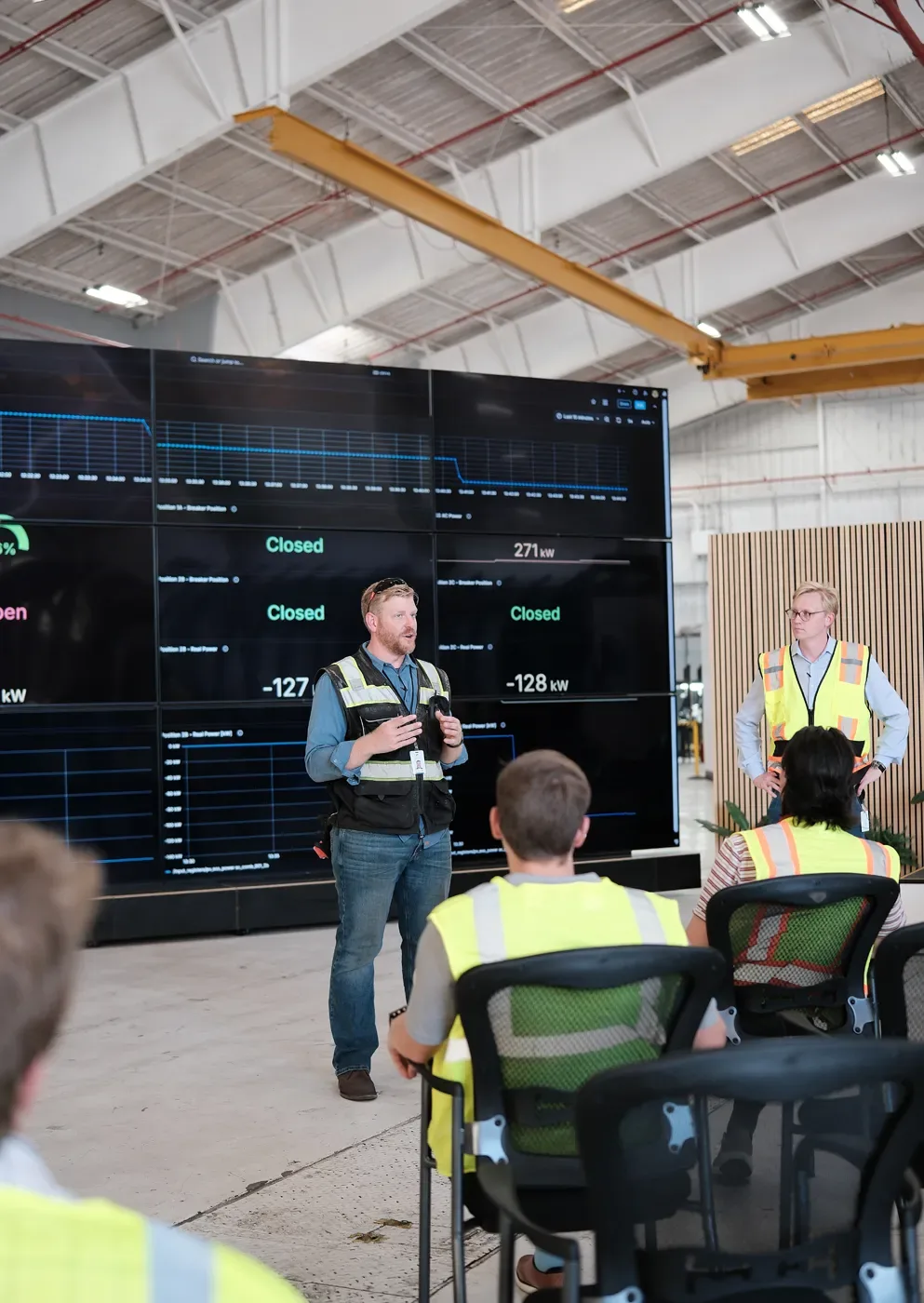
The underlying theme in Critical Loop’s approach is alignment with the pace of modern industry, where delays measured in months or years are no longer acceptable in environments that operate on cycles of weeks or even days. By enabling rapid deployment of energy infrastructure and combining it with real-time optimization, the company is addressing a fundamental mismatch between how quickly businesses need to move and how slowly traditional systems evolve, and in doing so, it is helping to create a framework where access to power is no longer a limiting factor but an enabler of growth.
This alignment between infrastructure and operational speed is likely to become increasingly important as industries continue to digitize and scale. Critical Loop represents a significant step toward a more flexible and resilient energy ecosystem, where power is not constrained by legacy infrastructure but delivered as a dynamic resource that can adapt to the needs of modern businesses, positioning it as a company to watch in the ongoing transformation of global energy systems.