


The Science Behind Caudal Energy’s Oscillating Fin Technology
Inside Caudal Energy’s Bio-Inspired Tidal Energy System
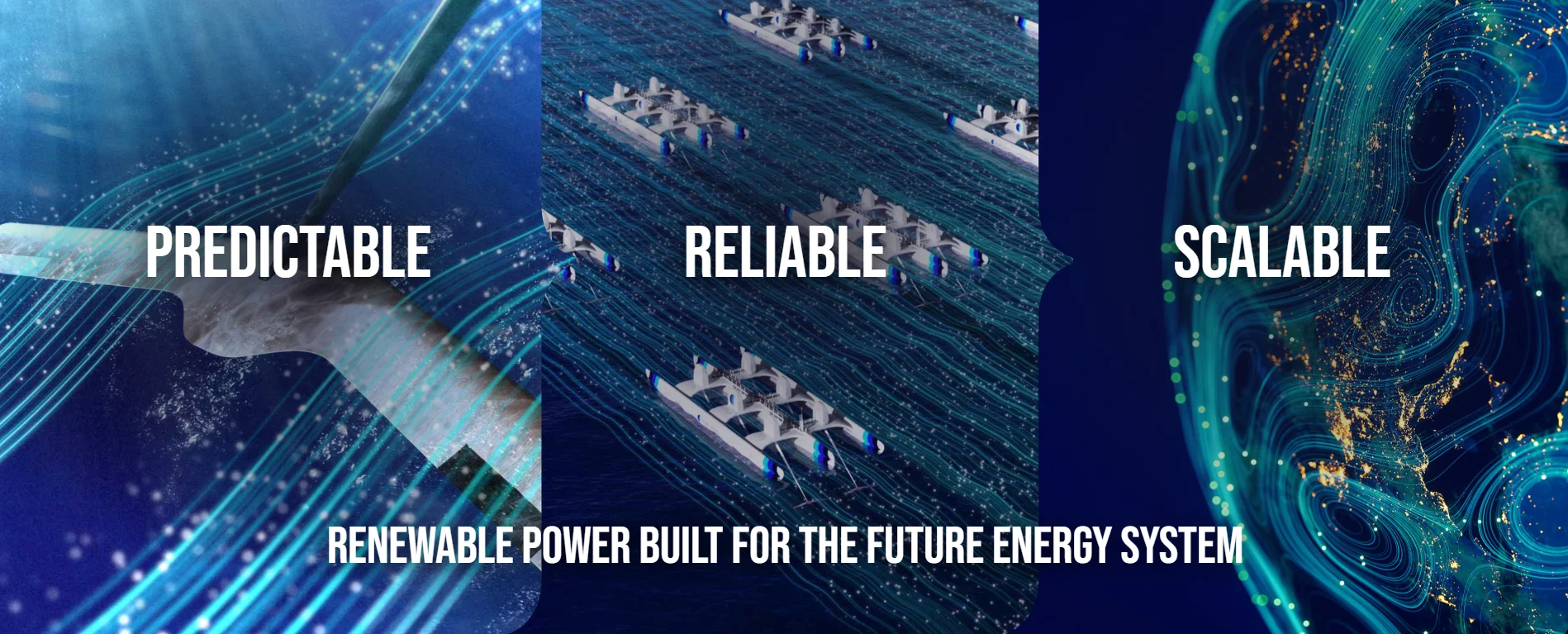
Caudal Energy is an Oxford University spinout developing a new approach to tidal energy generation inspired by the way whales and dolphins move through water. Previously known as Porpoise Power, the company has focused its research on a simple question: if nature has already evolved highly efficient methods for converting water flow into motion, could those same principles be applied to renewable energy generation? Rather than relying on conventional rotating turbine blades, Caudal Energy uses an oscillating fin system that mimics the movement of cetacean tails. As tidal currents move past the device, the fin moves back and forth in a controlled motion, converting hydrodynamic forces into electricity.
The company believes this bio-inspired approach could unlock tidal energy resources that remain difficult or uneconomical to access using existing technologies. Tidal power has long been viewed as an attractive renewable energy source because of its predictability compared with wind and solar generation. However, deployment challenges and infrastructure costs have limited widespread adoption. Caudal Energy’s goal is to reduce these barriers through a fundamentally different system architecture based on lessons learned from marine biology rather than traditional turbine engineering.
How Oscillating Fin Technology Differs From Traditional Tidal Turbines?
Most tidal energy systems today operate similarly to underwater wind turbines. Large rotating blades are positioned in fast-flowing tidal channels where water movement turns the rotor and generates electricity. While effective in certain environments, these systems typically require specific site conditions, including strong currents, sufficient depth, and locations capable of accommodating large rotating structures. This significantly limits where conventional tidal power can be deployed.
Caudal Energy’s oscillating fin technology is designed to operate differently. Instead of depending on continuous rotational motion, the system captures energy through cyclical fin movement generated by water flow. This design may allow deployment in mid-flow locations where traditional turbines struggle to operate efficiently. The company argues that oscillating fins can access a broader range of tidal environments while reducing mechanical complexity and potentially lowering installation and maintenance costs.
The bio-inspired design also reflects a broader engineering trend where renewable energy companies increasingly look to natural systems for performance optimization. Whales and dolphins have spent millions of years evolving highly efficient mechanisms for moving through water. By applying similar hydrodynamic principles to electricity generation, Caudal Energy hopes to improve energy capture while avoiding some of the limitations associated with large turbine-based infrastructure. If successful, this approach could expand the number of viable tidal energy sites globally and improve the economics of marine renewable energy deployment.
Caudal Energy’s Latest £4.3M Funding and What Comes Next
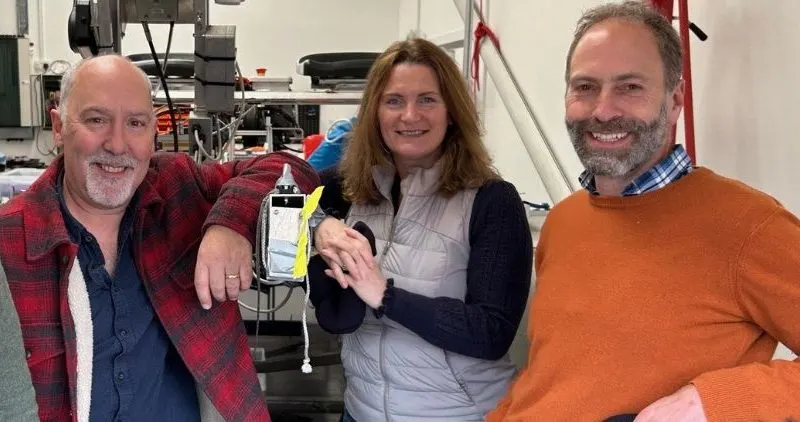
Caudal Energy recently raised £4.3 million in funding led by Oxford Science Enterprises and Empirical Ventures to accelerate development and testing of its oscillating fin technology. The funding will support efforts to validate the system in real-world marine environments and demonstrate its commercial viability at larger scales. The investment arrives at a time when interest in marine energy is growing alongside broader efforts to diversify renewable energy generation sources. While solar and wind continue dominating renewable deployment globally, tidal energy offers a unique advantage: predictability. Tidal cycles can be forecast years in advance, providing a stable and reliable source of renewable electricity that complements more variable energy resources.
For Caudal Energy, the next challenge is proving that its whale-inspired technology can deliver consistent performance outside laboratory and prototype environments. Demonstrating durability, energy output, maintenance efficiency, and cost competitiveness will be critical as the company moves toward commercial deployment.The broader significance of the company extends beyond tidal energy itself. Caudal Energy represents a growing category of climate-tech startups applying biomimicry principles to infrastructure and energy systems. If its oscillating fin platform succeeds, it could help expand the role of tidal energy within the global renewable energy mix while demonstrating how biological inspiration can drive innovation in industrial technology.
Caudal Energy is pursuing one of the more unconventional approaches in renewable energy by borrowing directly from nature rather than traditional turbine design. The company’s long-term success will depend on whether its oscillating fin system can deliver the performance, reliability, and economics needed to make tidal energy more accessible at commercial scale.