

UK-based iFAST Diagnostics develops ultra-rapid tests to identify effective antibiotics for bacterial infections
Why is rapid antibiotic testing critical in fighting antimicrobial resistance?
Antimicrobial resistance (AMR) is increasingly recognized as one of the most serious challenges facing modern healthcare. Every day, clinicians must make treatment decisions for patients with potentially life-threatening bacterial infections before laboratory results are available. Because conventional antimicrobial susceptibility testing often takes between 48 and 72 hours, doctors frequently prescribe broad-spectrum antibiotics while waiting for confirmation of which drugs will actually work. Although this approach can save time in urgent situations, it also contributes to antibiotic overuse and accelerates the emergence of resistant bacteria.
iFAST Diagnostics is focused on addressing this gap through ultra-rapid antimicrobial susceptibility testing technology designed to identify effective antibiotics far faster than traditional laboratory methods. The company’s broader mission is simple but significant: ensure every patient receives the right antibiotic as quickly as possible. In a healthcare environment where delayed treatment can worsen outcomes and inappropriate antibiotic use contributes to a growing global resistance crisis, reducing diagnostic turnaround times could have major implications for both patient care and public health.

How iFAST Diagnostics’ ultra-rapid testing technology works?
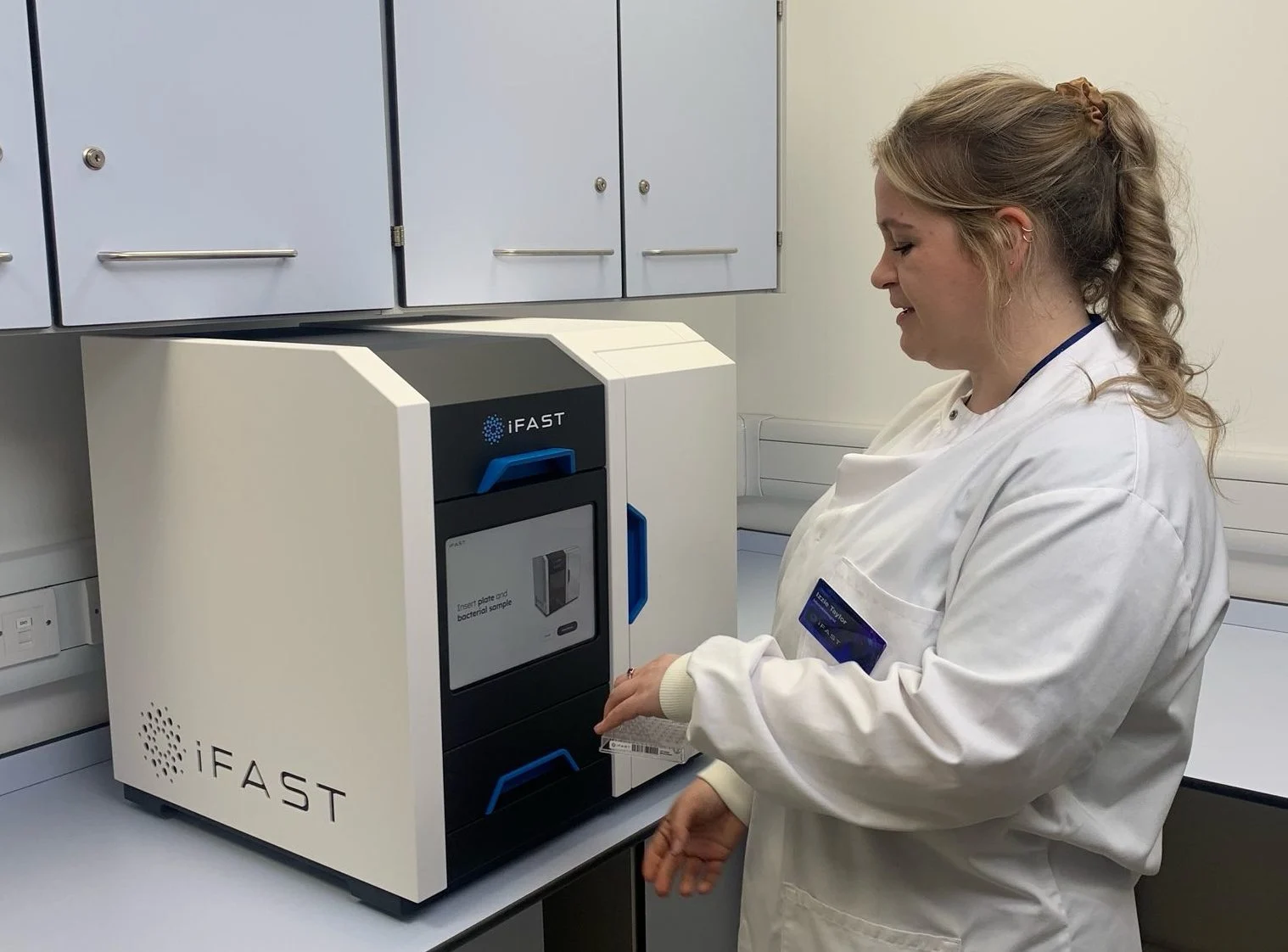
iFAST Diagnostics has developed a rapid antimicrobial susceptibility testing platform capable of delivering both qualitative and quantitative results in less than three hours from a positive blood culture or bacterial isolate. This represents a dramatic improvement over conventional testing methods that have remained largely unchanged for decades and often require multiple days to generate actionable clinical results.
The company’s technology is designed not only to improve speed but also laboratory efficiency. Traditional microbiology workflows frequently involve labor-intensive manual processes and multiple testing stages before clinicians receive antibiotic susceptibility information. iFAST’s platform aims to simplify these workflows while increasing throughput, allowing laboratories to process larger numbers of samples with fewer operational constraints.
This speed advantage is particularly important because clinicians are often making treatment decisions during the most critical stages of infection management. Faster susceptibility results can help healthcare providers move more quickly from broad-spectrum antibiotic use toward targeted therapies tailored to specific bacterial infections. The company’s approach reflects a broader shift within diagnostics where rapid testing technologies are increasingly focused on delivering clinically actionable insights rather than simply accelerating laboratory procedures.
How iFAST Diagnostics helps improve sepsis and infection treatment?
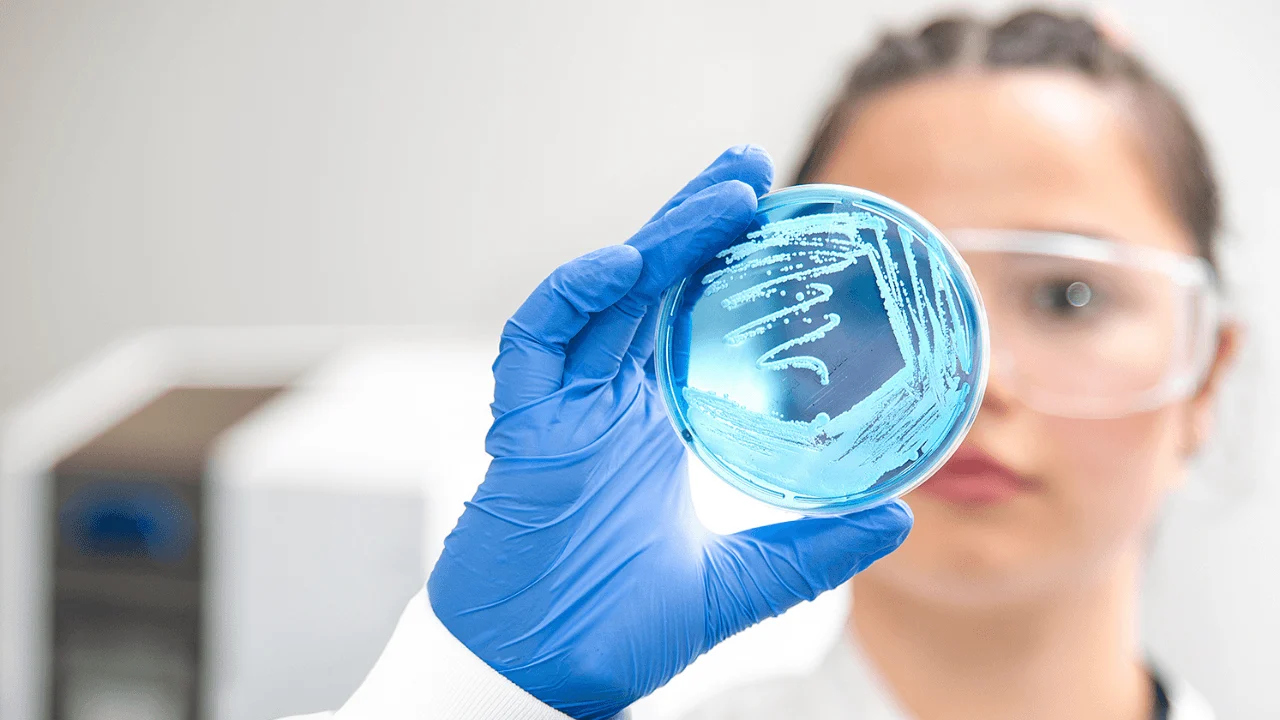
One of the most important applications for ultra-rapid antibiotic susceptibility testing is sepsis management. Sepsis occurs when the body’s response to infection becomes life-threatening, and treatment outcomes are highly dependent on speed. Every hour of delay in administering effective therapy can significantly affect patient outcomes, making rapid diagnostic information extremely valuable. By reducing susceptibility testing times from days to hours, iFAST aims to help clinicians identify the most effective treatment options much earlier in the care pathway. This could reduce unnecessary exposure to ineffective antibiotics while helping physicians transition patients onto targeted therapies sooner.
Beyond sepsis, the technology has broader implications for infection management across hospitals and healthcare systems. Faster diagnostic information can improve antibiotic stewardship programs, reduce healthcare costs associated with prolonged hospital stays, and help preserve the effectiveness of existing antibiotics by minimizing inappropriate prescribing practices. The company is targeting a diagnostic market valued at billions of dollars globally, reflecting the growing recognition that faster infectious disease diagnostics are becoming a critical component of modern healthcare infrastructure rather than simply a laboratory efficiency improvement.
New £5M investment to help iFAST Diagnostics scale rapid infection diagnostics
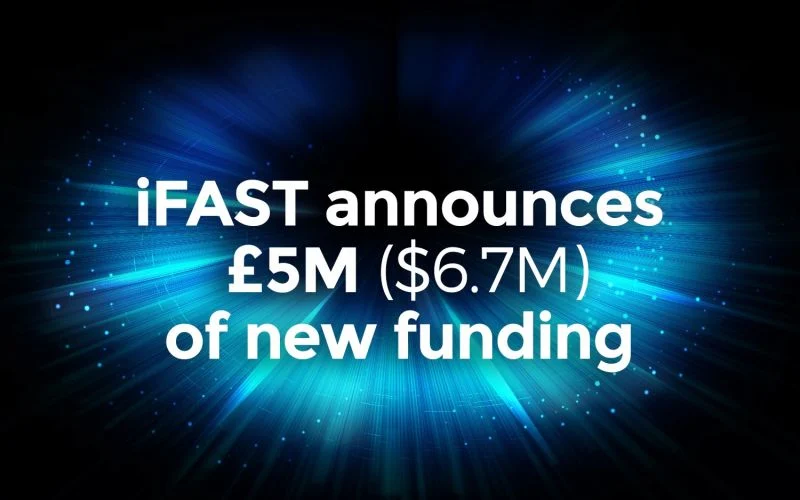
iFAST Diagnostics recently secured £5 million ($6.7 million) in new funding to accelerate commercialization of its rapid testing platform and support broader market expansion. The investment round was led by Meridian Health Ventures, with participation from existing investors including QantX, RAW Ventures, OKG Capital, and members of Cambridge Capital Group. The financing package also included £2.1 million in non-dilutive funding support from Innovate UK. The investment arrives at a pivotal stage for the company as it prepares for commercial launch in the UK market. The funding will support continued product development, regulatory progress, manufacturing readiness, and broader commercialization activities ahead of expansion into European and U.S. markets.
Investor interest reflects growing confidence in diagnostic technologies capable of addressing both clinical and economic challenges associated with antimicrobial resistance. Healthcare systems worldwide face increasing pressure to improve infection management while controlling costs, creating strong demand for technologies that can improve treatment accuracy and reduce delays in clinical decision-making. The funding also highlights increasing recognition that diagnostic innovation plays a central role in addressing AMR, alongside pharmaceutical development and public health initiatives.
iFAST Diagnostics’ role in the future of clinical microbiology and AMR management
iFAST Diagnostics represents a broader transformation occurring within clinical microbiology, where laboratories are moving from retrospective testing environments toward real-time clinical decision support systems. Historically, microbiology laboratories often functioned as information providers operating several days behind patient treatment decisions. New diagnostic technologies are increasingly changing that dynamic by delivering clinically relevant results much closer to the point of care. The company’s ultra-rapid testing platform aligns with a future where infectious disease diagnostics become faster, more automated, and more tightly integrated into treatment workflows. In that environment, diagnostic speed becomes a direct clinical advantage rather than simply an operational metric.
At the same time, antimicrobial resistance remains a complex global challenge requiring coordinated action across healthcare systems, regulators, researchers, and pharmaceutical companies. No single technology will solve the problem alone. However, faster identification of effective treatments can play an important role in improving antibiotic stewardship and reducing unnecessary antibiotic exposure. iFAST’s long-term significance will depend on whether ultra-rapid susceptibility testing becomes a new standard in clinical microbiology. If adoption expands as anticipated, technologies that shorten diagnostic timelines from days to hours could become a critical component of future infection management and antimicrobial resistance strategies worldwide.
iFAST Diagnostics is addressing one of healthcare’s most urgent operational challenges by reducing the time required to identify effective antibiotic treatments. If its technology delivers consistently at scale, it could help improve patient outcomes while supporting broader efforts to combat antimicrobial resistance globally.