


Code, Data, and Blood: How London-Based Thriva is Debugging Human Health
Healthcare Is Moving From Reactive Treatment to Continuous Health Monitoring
Healthcare has traditionally focused on identifying problems after symptoms appear. Thriva is part of a growing movement attempting to shift that model toward earlier awareness, regular monitoring, and informed lifestyle decisions. Founded in 2015 and headquartered in London, the company provides personalised at-home blood tests designed to help people understand what is happening inside their bodies. Its platform measures health indicators linked to areas such as nutrition, hormones, cholesterol, metabolism, inflammation, and long-term health.
Thriva’s approach is built around a simple cycle: collect health data, understand the results, and take action based on clinically reviewed guidance. The company says it has sent more than five million test kits to hundreds of thousands of customers, reflecting growing interest in accessible diagnostic services outside traditional clinical settings.

From a Finger-Prick Sample to Personalised Health Intelligence
Thriva’s model is designed to reduce the friction associated with conventional blood testing. Customers select a test package, receive a home testing kit, collect a sample, and send it to a partner laboratory. Depending on the test, results can be available in as little as 48 hours, although certain markers, including omega-3 and omega-6 testing, may require longer processing times. Results are presented through Thriva’s digital dashboard, where doctor-reviewed reports explain the findings in accessible language and identify areas that may require attention.
The company offers testing across more than 75 health markers, including vitamin D, ferritin, HbA1c, cholesterol, testosterone, thyroid function, kidney health, and inflammatory markers. Its platform also provides trend visualisation, allowing users to compare results over time rather than treating one test as an isolated snapshot.
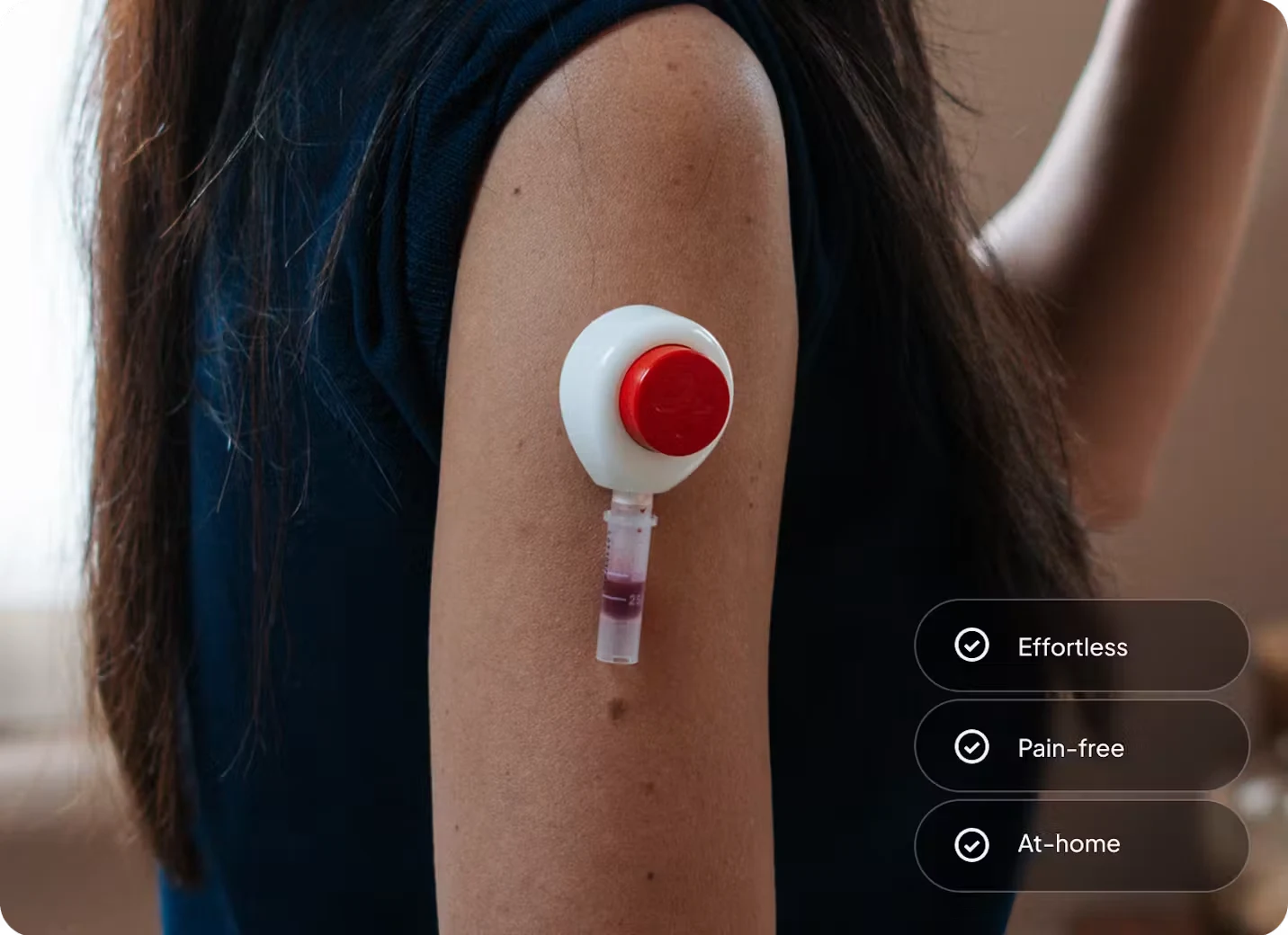
Thriva Is Turning Health Data Into an Ongoing Feedback Loop
The more ambitious part of Thriva’s proposition is its focus on repeated testing and personalised recommendations. Rather than simply delivering laboratory numbers, the platform aims to connect biomarkers with lifestyle habits, health goals, and wearable data. Its Healthspan Dashboard brings together blood results and information from devices such as Apple, Garmin, Oura, and Fitbit, giving users a broader view of areas including cardiovascular fitness, sleep, metabolism, strength, and inflammation.
The company’s Health Assistant uses this information to provide guidance based on an individual’s results and profile. Thriva’s Compass programme extends this model through three annual blood tests, doctor consultations, ongoing app access, and personalised health tracking. While these services are not intended to replace a GP or diagnose every condition, they demonstrate how consumer health platforms are attempting to create a continuous relationship between individuals and their health data.
Thriva Solutions Expands the Model Beyond Individual Consumers
Thriva’s business extends beyond direct-to-consumer testing through Thriva Solutions, its business-to-business diagnostic services division. The company describes this offering as a diagnostics-as-a-service model designed to help partners develop and scale testing capabilities while reducing operational complexity and risk. This creates a potential role for Thriva as infrastructure supporting healthcare providers, businesses, and other organisations that need diagnostic services without building every part of the process independently.
Its stated clinical innovation pipeline includes areas such as sexual health screening, genetic testing, and urine testing, suggesting that the company intends to expand beyond its existing blood-testing portfolio. The challenge will be balancing accessibility and commercial scale with clinical validation, data protection, regulatory requirements, and the limitations of interpreting health information outside a complete medical consultation.
Can Thriva Help Build a More Proactive Healthcare System?
Thriva’s larger ambition is to make people more actively involved in managing their long-term health. Its model combines decentralised sample collection with laboratory infrastructure, medical review, software, and repeated measurements. That combination could help users identify changes earlier, understand health trends, and evaluate whether lifestyle adjustments are producing measurable results. However, blood biomarkers remain only one part of a person’s health, and abnormal results require appropriate clinical interpretation and follow-up.
Thriva’s own materials position its services as complementary to existing healthcare rather than a replacement for medical professionals. If the company can continue improving the accuracy, accessibility, and usefulness of its diagnostic platform, it may contribute to a healthcare model where data is collected before illness becomes the central concern. The future of personalized medicine may depend not only on advanced treatments, but also on making meaningful health information easier to access and act upon.