

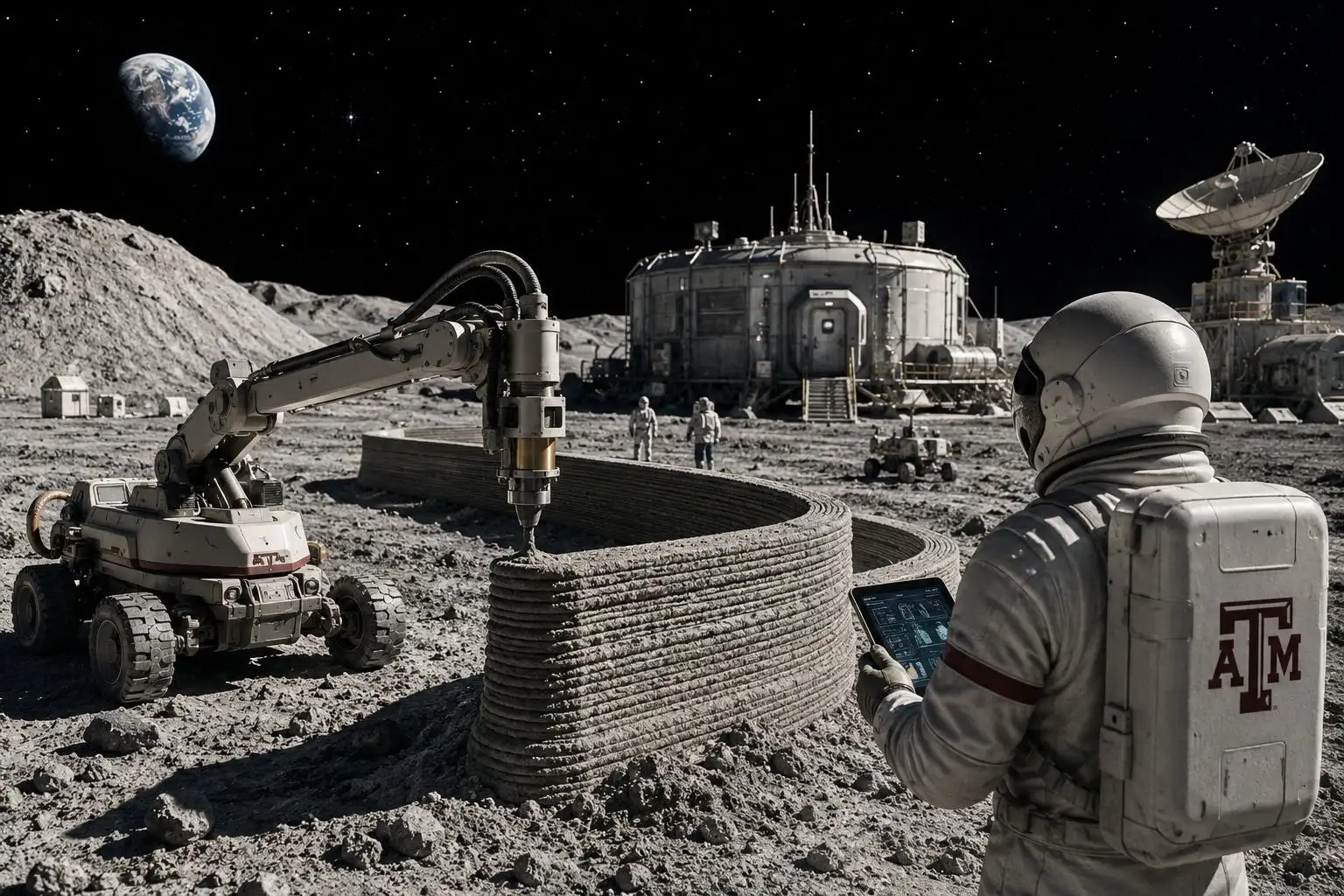
From Science Fiction to Reality: How Companies Are Building the Future of Human Life on the Moon?
The Companies, Technologies and Infrastructure Driving the Race Towards The Colonisation Of The Moon
For decades, the idea of humans living on the Moon belonged largely to science fiction. Permanent lunar settlements, mining operations, residential habitats and industrial facilities were common themes in futuristic books and films. Today, several space agencies and private companies are working on technologies that could make some of these possibilities achievable within the coming decades. What was once an ambitious scientific aspiration is gradually becoming an engineering and infrastructure challenge.
The renewed interest in lunar exploration is being driven by a combination of technological progress, government programmes and growing private-sector participation. NASA’s Artemis programme is central to this effort. The agency aims to establish a sustained human presence on the Moon, with its planned Moon Base located near the lunar South Pole. NASA announced a phased development programme in March 2026, beginning with robotic exploration and technology demonstrations, followed by the deployment of infrastructure and eventually facilities for astronauts to live and work for extended periods. The programme involves commercial and international partners, reflecting the growing role of private companies in lunar exploration.
One of the biggest challenges is transportation. Reaching the Moon with heavy equipment, construction machinery and supplies will require reliable and increasingly affordable launch and landing systems. SpaceX is developing its Starship Human Landing System for NASA’s Artemis missions, while Blue Origin is developing its Blue Moon lunar lander. Companies such as Intuitive Machines and Firefly Aerospace are also developing commercial lunar landers and delivering scientific and technological payloads to the lunar surface. Their work is helping establish a commercial transportation network that could eventually support regular cargo deliveries to the Moon.
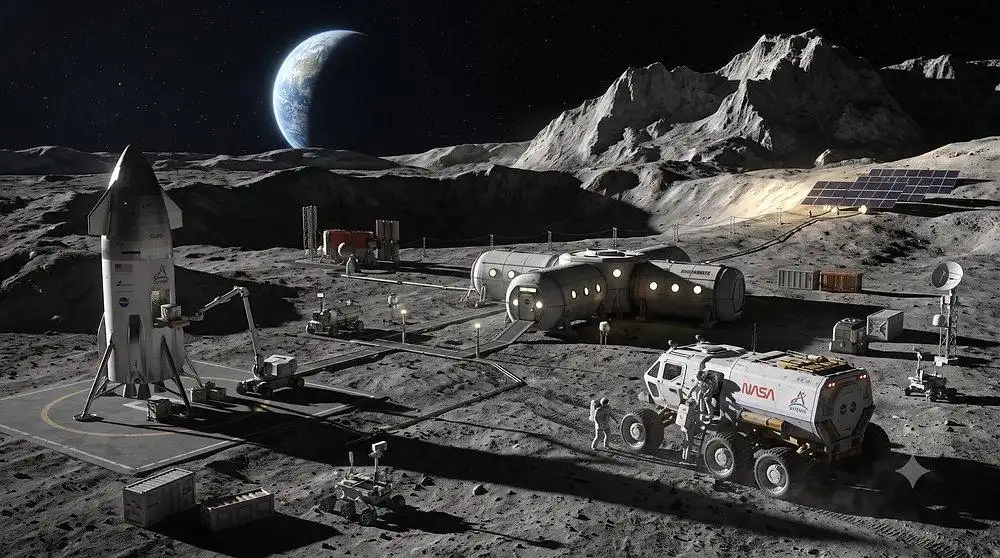
Once equipment reaches the lunar surface, the next challenge will be mobility. Moving supplies, machinery and astronauts across the Moon will require specialised vehicles capable of operating in extreme temperatures, low gravity and difficult terrain. US-based companies Astrolab and Lunar Outpost are developing lunar terrain vehicles under NASA’s programme. Their vehicles are intended to support astronauts and transport equipment across the surface. Japanese robotics company GITAI is also developing robotic systems that could support construction, maintenance and industrial activities in space.
Another important area is the extraction of natural resources. Transporting every kilogram of water, oxygen, fuel and construction material from Earth would make long-term lunar operations extremely expensive. Scientists and companies are therefore investigating ways to use materials already present on the Moon, an approach known as in-situ resource utilisation. Interlune, a US-based company, is developing technologies to identify and measure resources in lunar soil, including helium-3 and other solar-wind gases.
In May 2026, NASA awarded the company a $6.9 million contract to develop and test resource-prospecting equipment. Israeli company Helios is working on technology to extract oxygen and metals from lunar soil. If these technologies become operational, locally produced oxygen could support life-support systems and potentially contribute to rocket propellant production.
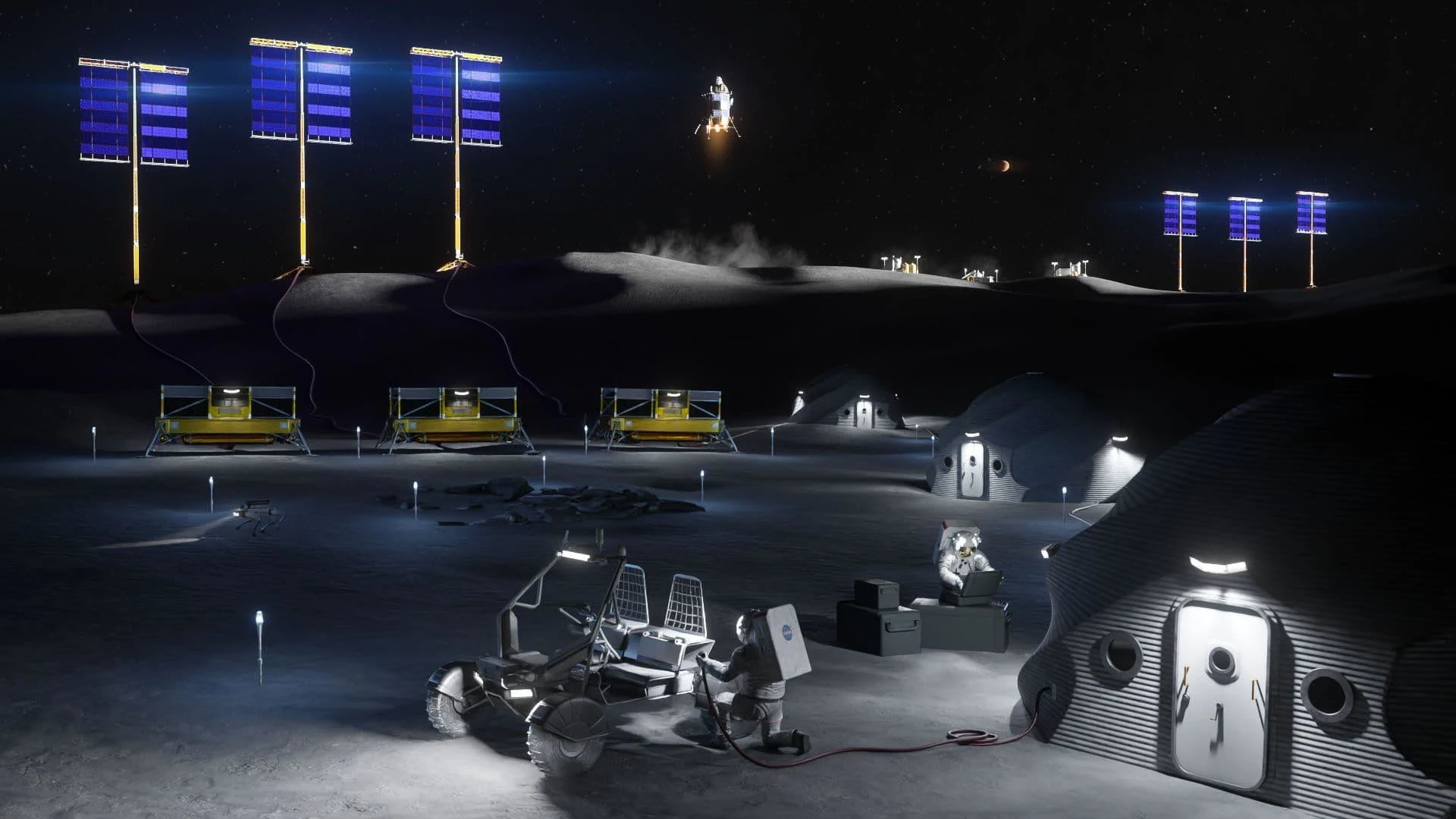
Construction will be another essential part of establishing a permanent human presence. Lunar habitats will need protection from radiation, extreme temperature variations and micrometeorite impacts. Transporting conventional construction materials from Earth would be costly, making the use of lunar soil an attractive possibility.
US construction technology company ICON has been working with NASA on Project Olympus, which aims to develop systems for constructing infrastructure using locally available materials. Potential applications include landing pads, roads, protective structures and habitats. NASA’s planetary autonomous construction research has also examined how lunar resources could be used to build large infrastructure elements directly on the surface.
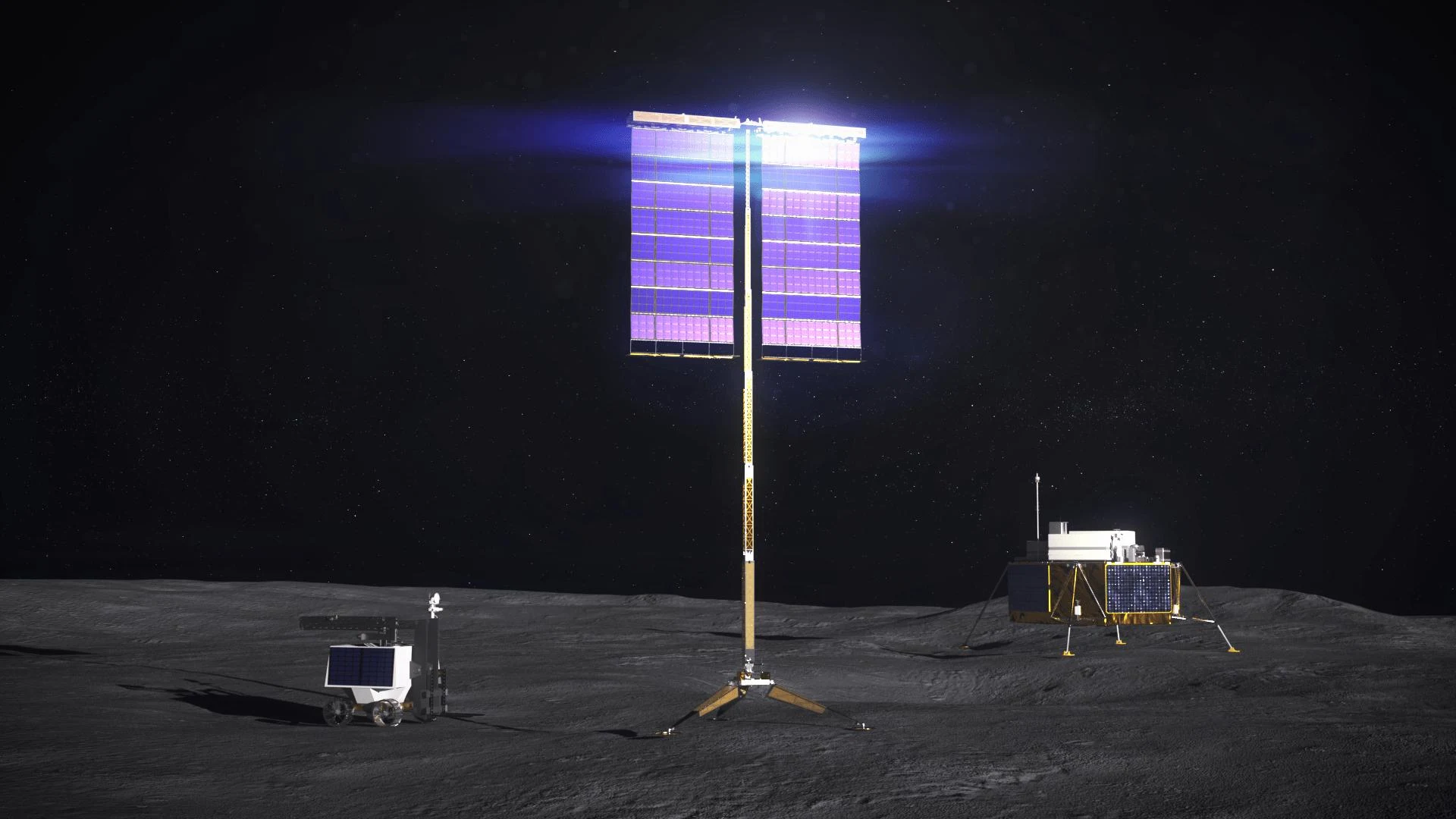
Living on the Moon will require reliable electricity, communication networks, water systems and life-support equipment. Solar power is one potential energy source, although the long lunar night and difficult lighting conditions near the poles create significant engineering challenges. Communication infrastructure will also be essential for coordinating astronauts, robots and spacecraft.
Nokia has already made an important contribution to this area. During Intuitive Machines’ IM-2 mission in March 2025, its cellular communications system reached the Moon, powered up and transmitted operational data back to Earth. The demonstration marked an important milestone in the development of lunar communication networks. Companies such as Sierra Space are also developing expandable habitat technology and life-support systems that could support longer-duration human missions.
India is beginning to establish a presence in this emerging commercial sector as well. Astrogreen is developing a proposed commercial lunar transportation platform, with a lunar orbiter targeted for 2029 and a lander targeted for 2032. These are company-announced targets rather than completed missions. Ahmedabad-based Cosmochute is developing LEAP, a modular lunar mobility platform intended to transport equipment and payloads across the Moon. In October 2026, the startup raised $1.5 million in pre-seed funding led by Prosus Ventures. Its work reflects the emergence of Indian startups exploring opportunities beyond conventional satellite manufacturing and launch services.
The potential commercial opportunities extend well beyond transportation and spacecraft manufacturing. A sustained lunar presence could create demand for construction equipment, autonomous mining systems, energy storage, water purification, waste management, food production, robotics and maintenance services. Greenhouses using controlled-environment agriculture could eventually help supplement food supplies for lunar crews. Systems that recycle water and air would be important for reducing dependence on deliveries from Earth. These capabilities are still under development, and their commercial viability will depend on successful demonstrations, reliable transportation and sustained demand from space agencies and private customers.
The economic case for lunar development will also depend on whether infrastructure can serve multiple missions and customers. NASA’s Commercial Lunar Payload Services initiative already works with private companies to deliver scientific instruments and technology demonstrations to the Moon. Such arrangements provide companies with opportunities to develop commercial services while meeting government requirements. Over time, recurring demand for cargo transportation, communications, mobility and surface operations could support a broader lunar economy.
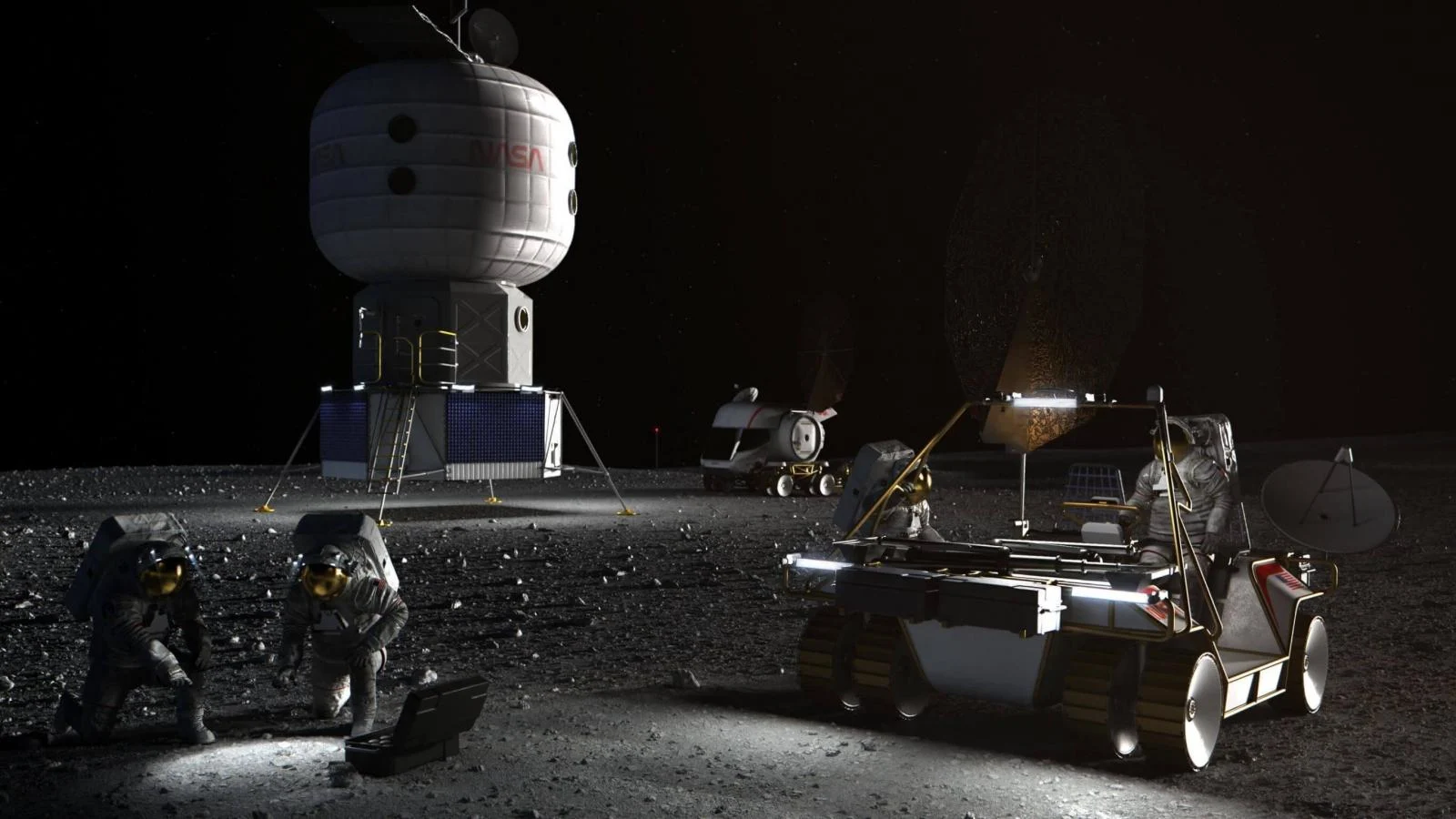
However, significant obstacles remain. The Moon has no breathable atmosphere, experiences extreme temperature fluctuations and exposes equipment and humans to radiation. Lunar dust can damage machinery and complicate surface operations. Water ice deposits, particularly in permanently shadowed regions near the South Pole, need further investigation before they can be considered dependable resources for commercial use. Building reliable power systems, maintaining equipment and ensuring astronaut safety will require years of testing and investment.
A fully self-sustaining lunar settlement remains a distant objective. The immediate focus is on establishing reliable access, testing technologies and deploying the infrastructure needed for longer human missions. The coming decades could see the development of small research outposts, robotic industrial facilities and eventually habitats supporting extended astronaut stays. Whether these developments lead to larger settlements will depend on scientific progress, commercial economics and international cooperation.
For now, the companies working on lunar transportation, mining, construction, robotics and life-support systems are laying the groundwork for a new industrial frontier. The Moon may eventually support an ecosystem of businesses that provide essential services to people and machines operating beyond Earth. The idea still sounds extraordinary, but the engineering work required to make it possible has already begun.