


Gaussion’s Approach Could Make Batteries Last Longer
Why Lithium-Ion Batteries Lose Capacity Over Time
Lithium-ion batteries power everything from smartphones and laptops to electric vehicles and large-scale energy storage systems. Despite their widespread adoption, one limitation continues to affect every battery: degradation. Each charging and discharging cycle gradually reduces a battery’s ability to store energy, eventually lowering driving range, shortening device lifespans, and increasing replacement costs. Temperature extremes, rapid charging, high discharge rates, and uneven internal electrochemical behavior can accelerate this process. For industries investing billions in electrification, extending battery life has become just as important as increasing battery capacity.
Manufacturers have made significant progress in battery chemistry, but improving longevity without redesigning the entire battery remains a complex engineering challenge. This has created opportunities for companies that focus not on replacing lithium-ion technology but on helping existing batteries perform more efficiently throughout their operational life. That is the problem Gaussion is aiming to solve.
How Gaussion Aims to Extend Battery Life?
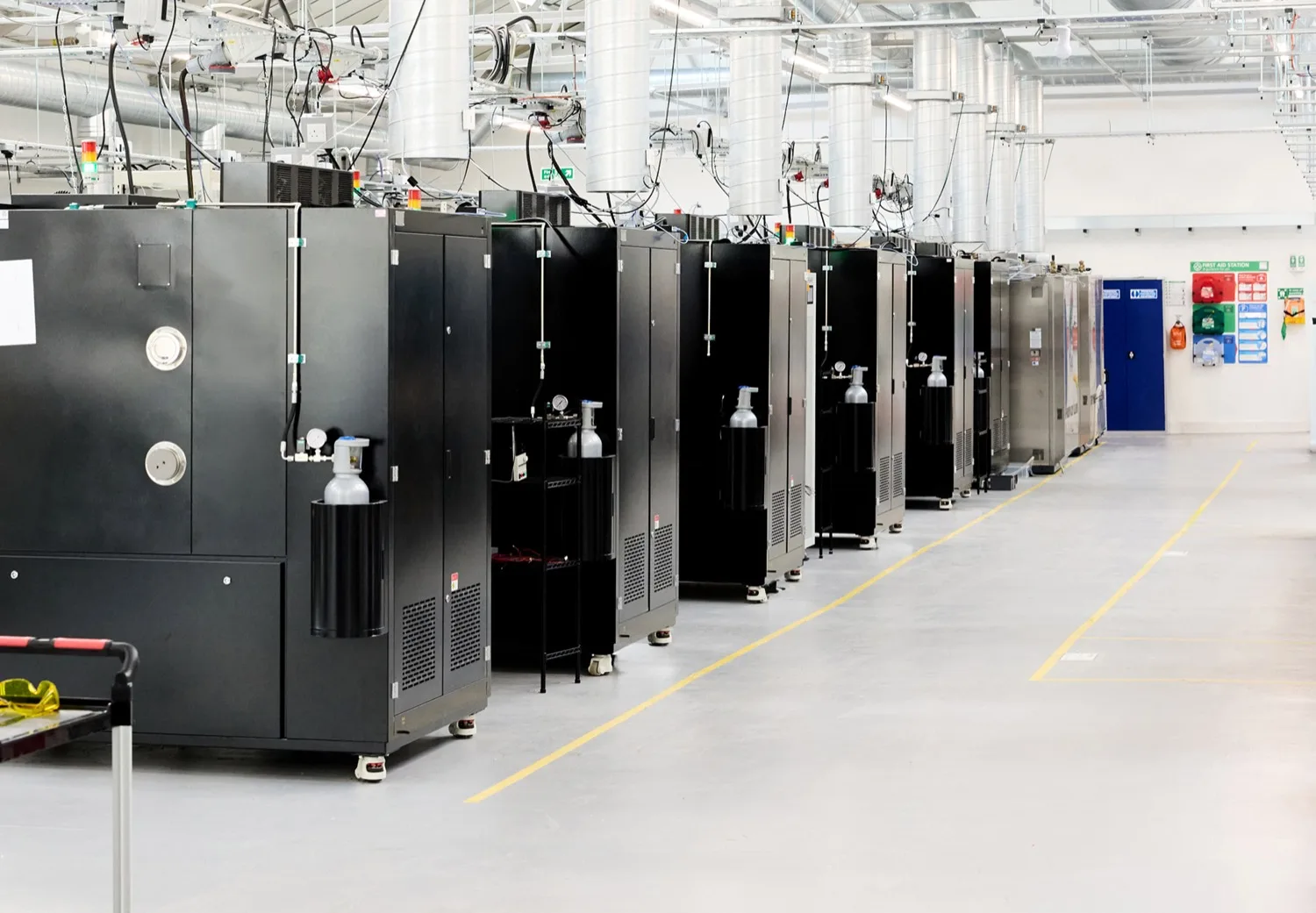
Founded as a spinout from University College London in 2022, Gaussion is developing what it describes as an energy intelligence layer for lithium-ion battery systems. Rather than altering battery cells or introducing entirely new chemistries, the company integrates compact magnetic chips into existing battery packs. These chips are designed to work alongside current battery architectures without requiring changes to manufacturing processes or supply chains.
The platform seeks to improve battery performance through intelligent control and monitoring. According to the company, its technology can help extend cycle life, improve performance in cold weather, and generate real-time insights into what is happening inside a battery pack during operation. This additional layer of intelligence gives operators greater visibility into battery health while helping optimize charging and energy management. Because the technology is designed as a retrofit solution, it has the potential to be deployed across a wide range of existing battery-powered systems rather than being limited to future battery designs.
UK-based Gaussion has recently secured $28 million in new funding, bringing its total investment to more than $44 million. The company plans to use the capital to scale its magnetic charging technology, which is designed to improve the performance of existing lithium-ion batteries without altering their chemistry or physical design. The funding round includes participation from Steve Jurvetson’s Future Ventures, the venture firm led by one of Tesla’s earliest investors and a backer of companies such as SpaceX.
As demand for electricity surges from AI data centres, electric vehicles, and autonomous systems, Gaussion believes batteries have become one of the biggest constraints on the next generation of technology, positioning its solution as a way to unlock better performance from today’s lithium-ion cells.
What Gaussion’s Technology Could Mean for the Future of Energy?
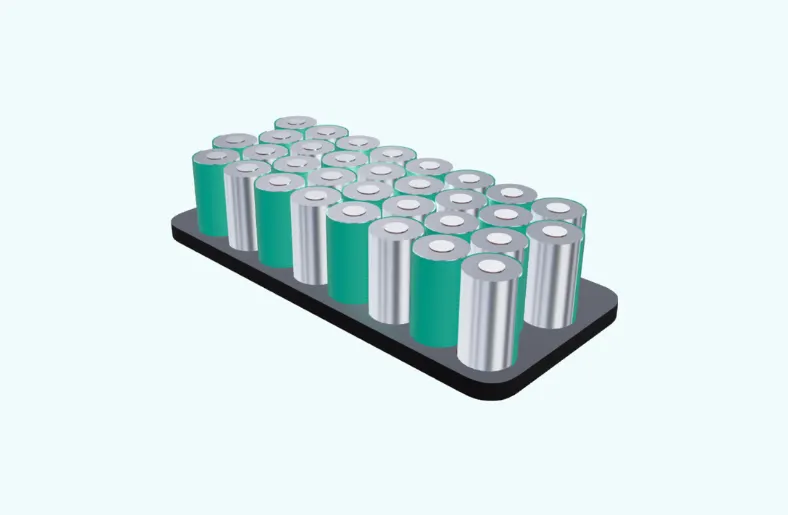
As transportation, renewable energy, and industrial systems become increasingly electrified, maximizing the value of every battery will become a strategic priority. Longer-lasting batteries reduce replacement costs, improve sustainability by lowering material consumption, and increase the economic viability of electric vehicles and energy storage projects. At the same time, richer operational data enables smarter maintenance, more accurate performance forecasting, and improved system reliability.
Gaussion’s approach reflects a broader shift occurring across the energy sector. Innovation is no longer focused solely on inventing better batteries but also on making existing batteries operate more intelligently. By combining hardware with real-time energy intelligence, the company is positioning itself within an emerging category of battery optimization technologies that complement advances in battery chemistry rather than compete with them.
Whether Gaussion’s platform ultimately achieves widespread adoption will depend on its ability to demonstrate measurable improvements across commercial deployments. However, its strategy highlights an important evolution in battery innovation: the future may not belong only to better batteries, but also to smarter ones.
Much of the battery industry’s attention remains focused on discovering the next breakthrough chemistry. Gaussion is pursuing a complementary path by making today’s lithium-ion batteries more intelligent. If its technology can consistently extend battery life while improving operational visibility, it could offer a practical way to enhance existing battery systems without requiring a complete redesign.