

San Francisco-based NetworkOcean Is Building Floating Solar-Powered Data Centers for AI Computing
How NetworkOcean Is Combining Ocean-Based Solar Power and AI Infrastructure?
As artificial intelligence workloads continue to increase demand for computing infrastructure, access to electricity has become a major challenge for data center operators. NetworkOcean, a San Francisco-based technology startup, is developing floating solar-powered data centers that aim to address this challenge by combining offshore renewable energy generation with computing infrastructure.
Founded by Sam Mendel and Eric Kim, NetworkOcean is a Y Combinator-backed startup that focuses on AI infrastructure, hardware, cloud computing and climate technology. The company was part of Y Combinator’s Summer 2024 batch and is listed as an active company. Its team has four members, according to its Y Combinator profile.
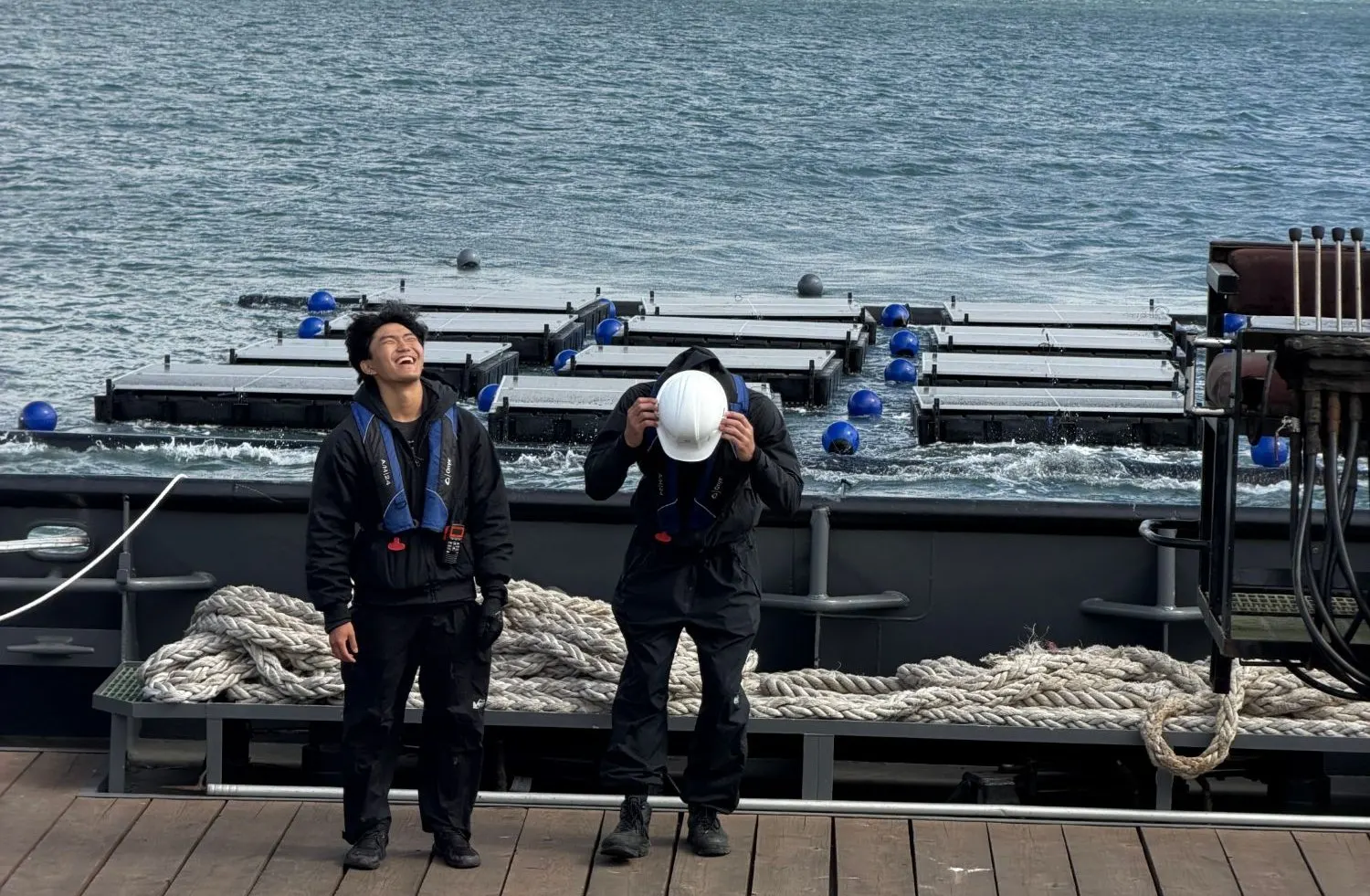
NetworkOcean’s approach involves deploying solar-powered computing infrastructure on the ocean. Its floating platforms are designed to generate electricity through solar panels and supply that power directly to data center equipment. The company aims to reduce dependence on conventional grid connections, land-based infrastructure and lengthy power deployment timelines.
Cooling is another important part of its approach. Conventional data centers require substantial cooling infrastructure to manage the heat generated by servers and GPUs. NetworkOcean proposes using seawater-based cooling to reduce cooling-related energy consumption and freshwater requirements. The company says its offshore data center architecture can achieve a power usage effectiveness (PUE) below 1.1.
The startup initially explored underwater data centers, with the idea of placing computing equipment in subsea capsules and using the surrounding seawater for cooling. Its earlier proposition focused on reducing the power required to operate GPUs through underwater infrastructure. However, the company has since shifted its public focus towards floating solar-powered data centers, combining offshore solar generation with computing equipment deployed above the water.
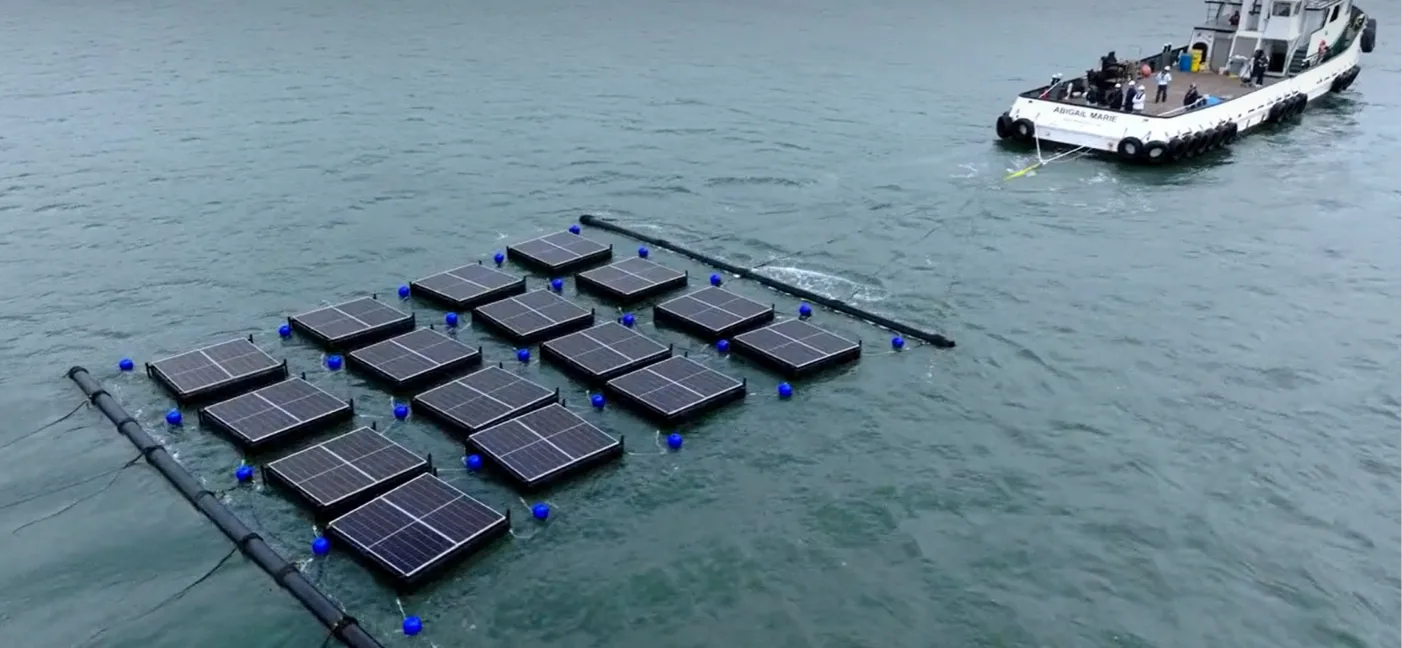
In October 2026, NetworkOcean announced that it had operated an NVIDIA H100 GPU using electricity generated by a 20 kW floating solar array in San Francisco Bay. The company described the deployment as its first customer AI workload powered by solar energy from the ocean. Footage released by the company showed 12 floating solar panels connected to a container carrying the GPU server. The customer using the computing system was not publicly identified.
According to NetworkOcean, the team went from an initial paper sketch to deploying the system on the water in 53 days. The demonstration represents an early deployment of its proposed infrastructure model, although it does not establish the economics or operational capabilities of a commercial-scale offshore data center.

The company has outlined a development roadmap covering three major stages. Its 2026 project, OASIS-00, involves a 20 kW floating solar array serving a customer from the ocean. For 2027, NetworkOcean plans to develop HELIOS-01, a solar deployment vessel designed for 400 MW of annual deployment capacity. The company also plans OASIS-01, its first 1 MW deployment. By 2030, NetworkOcean has set a target of building a fleet capable of deploying 1 GW of capacity per week.
NetworkOcean’s business is aimed at organisations that require substantial computing resources, including AI companies, machine learning startups, cloud computing providers and enterprises running GPU-intensive workloads. Its proposed infrastructure is intended to provide these customers with access to computing capacity supported by offshore renewable energy.
The startup has received backing from Y Combinator, Refactor Capital, Soma Capital and Pioneer Fund, alongside other investors, including Cory Levy. Its early development places it at the intersection of renewable energy, marine engineering and AI computing infrastructure.
NetworkOcean’s current work is still at an early stage, with its disclosed 20 kW deployment serving as a demonstration rather than evidence of commercial-scale operations. Its ability to expand capacity, manage offshore infrastructure and deliver reliable computing services at competitive costs will be important factors in determining the viability of its approach. For now, the company is working towards its stated roadmap for larger floating solar deployments and offshore AI computing capacity.