

Human Resurrection: The Science, Investors and Technology Behind Cryonics
Human Resurrection and Cryonics: From Cryogenic Preservation and Brain Research to Billionaire Investors and the Race to Develop Human Revival Technology
The idea of bringing dead people back to life has long been associated with science fiction. Today, a growing group of scientists, biotechnology companies, wealthy investors and research organisations are exploring technologies that could potentially make some form of biological revival possible in the future. The field is known as cryonics, and while human resurrection remains unproven, research into preserving organs, tissues and brain structures has made measurable progress.
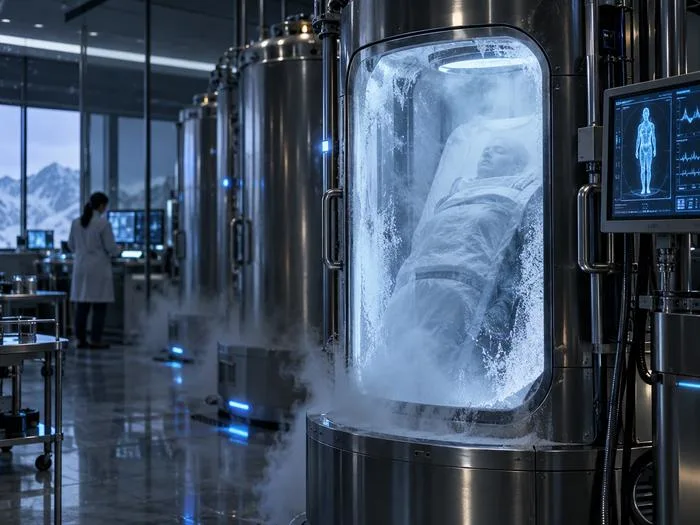
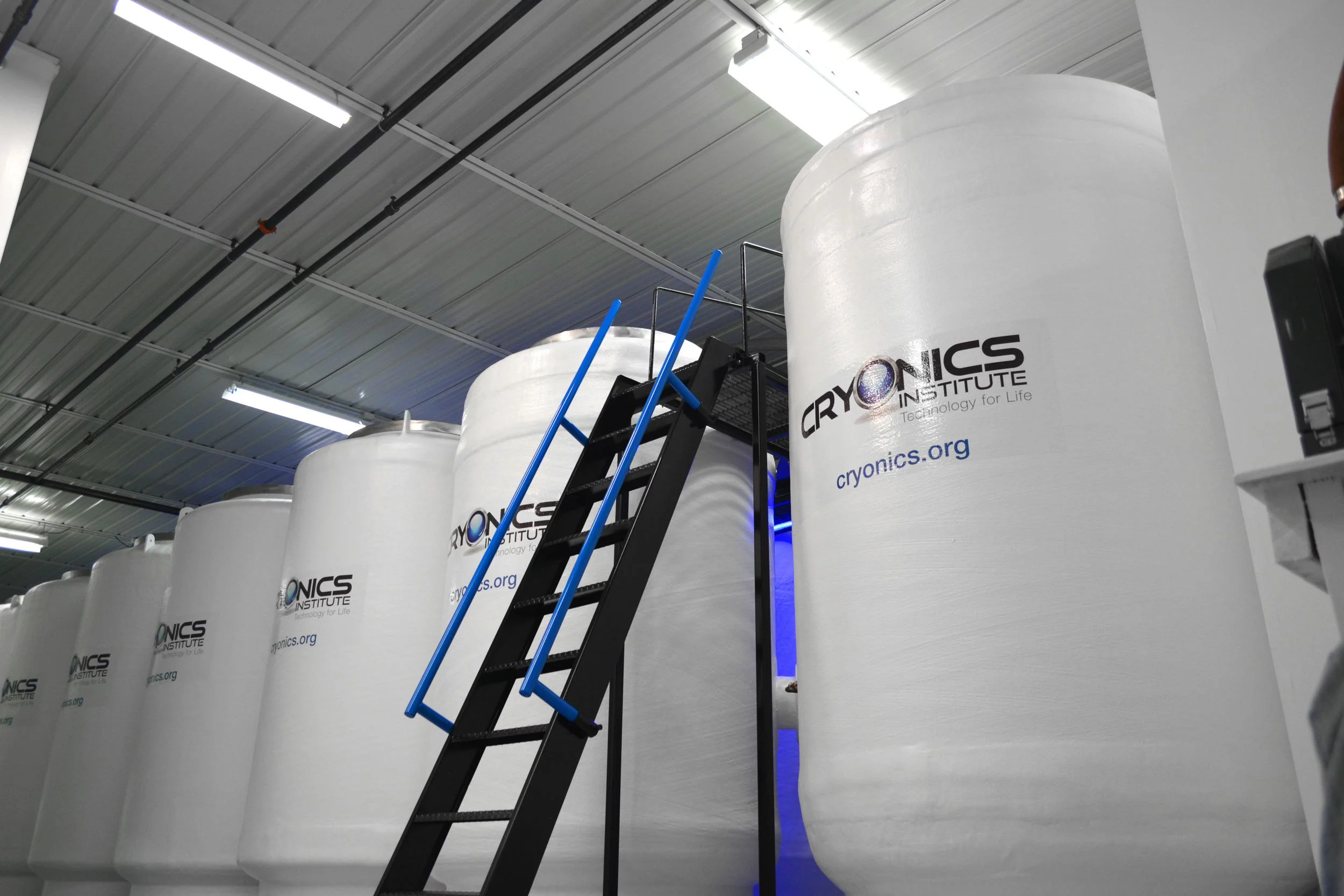
Cryonics involves preserving a legally deceased person’s body or brain at extremely low temperatures, generally around -196°C using liquid nitrogen. The objective is to slow biological and chemical deterioration while maintaining as much cellular and structural information as possible. Organisations such as Alcor Life Extension Foundation, established in 1972, and the Cryonics Institute, founded in 1976, offer long-term preservation services. Some preserve entire bodies, while others offer brain-only preservation, known as neuropreservation.
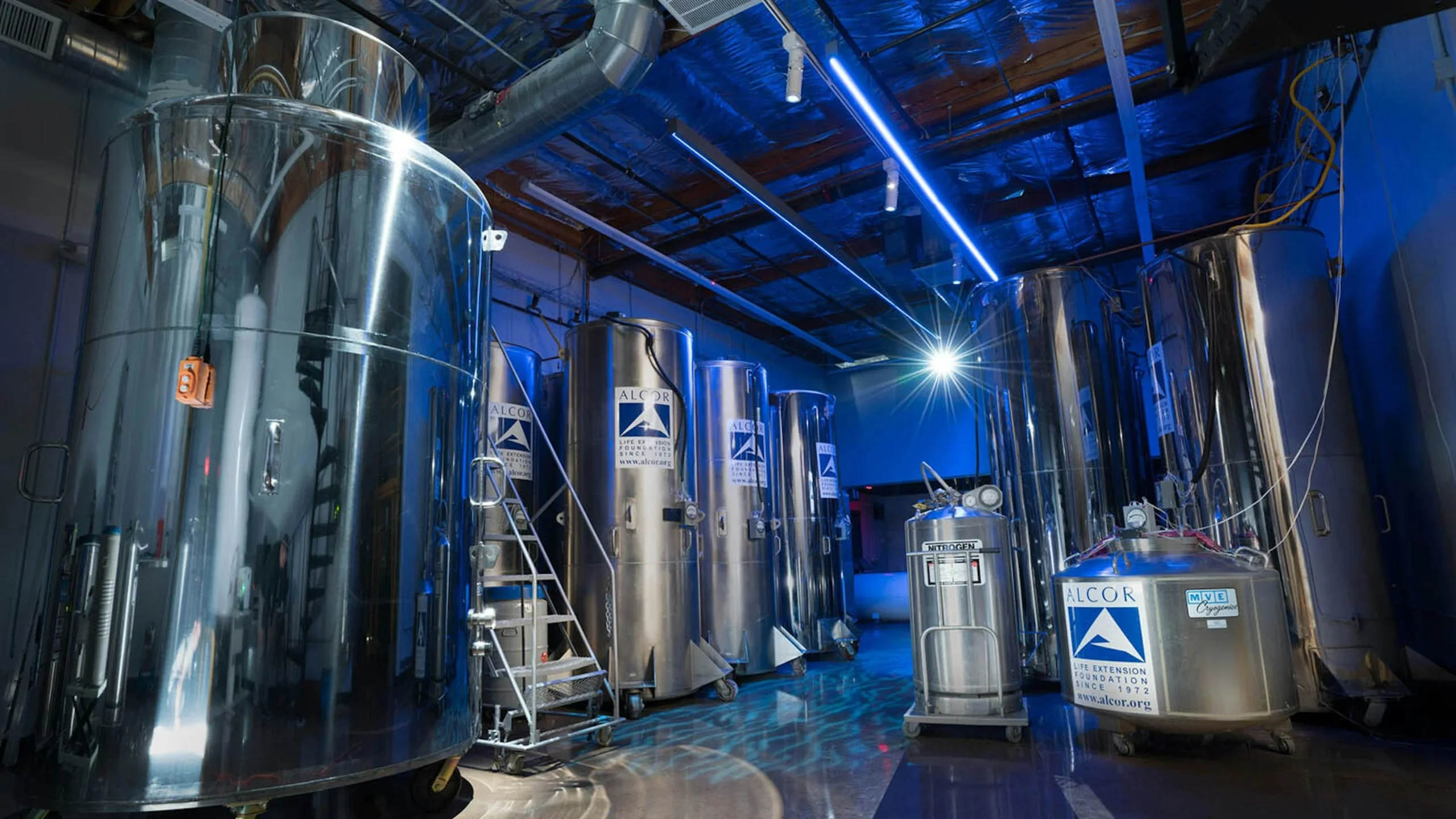
However, there is an important scientific limitation. No human being preserved through cryonics has ever been revived. According to Alcor’s own published FAQ, no person beyond the embryo stage has been brought back after preservation at temperatures far below freezing. The organisations offering these services operate on the expectation that future medical technologies might eventually repair the damage associated with preservation and restore biological function. This remains a hypothesis, not an established medical capability.
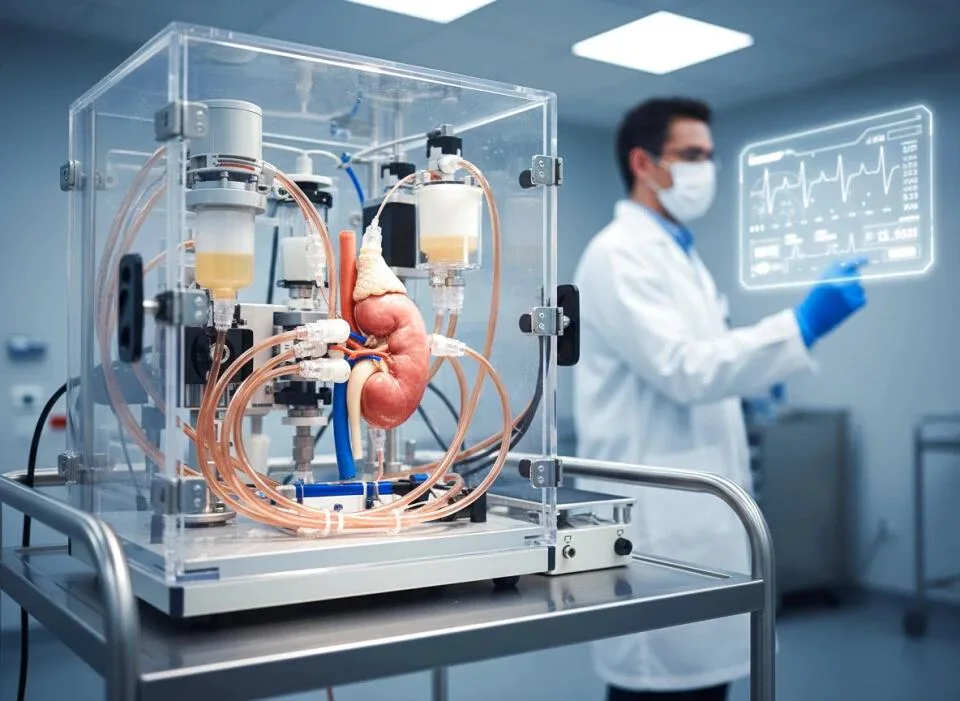
Research into cryopreservation has nevertheless produced important results. Scientists have successfully frozen and revived human sperm, eggs, embryos and certain cells. More recently, researchers have investigated whether entire organs can be preserved without irreversible damage. In 2023, a team at the University of Minnesota demonstrated that a rat kidney could be vitrified, stored at cryogenic temperatures for up to 100 days, rewarmed using a technique called nanowarming and transplanted into a rat. The kidney recovered sufficient function to sustain the animal after its other kidney was removed. The research, published in Nature Communications, represented a significant advance in organ preservation.
Vitrification is a process that converts biological material into a glass-like state, reducing the formation of damaging ice crystals. Nanowarming uses magnetic nanoparticles and radiofrequency energy to heat preserved tissue more uniformly. Researchers are investigating these techniques because uneven warming can cause cracks and structural damage in large organs.
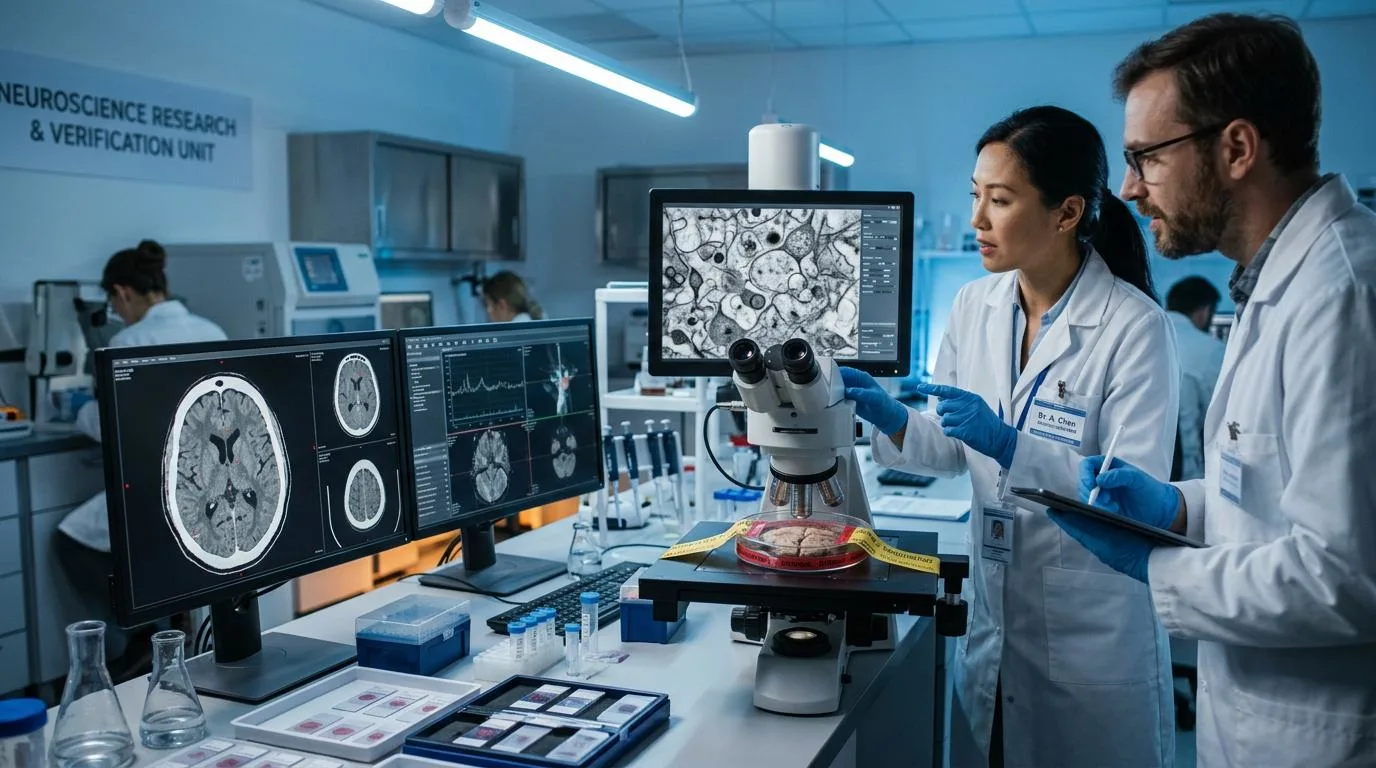
Brain preservation is another important area of research. The human brain contains the neural connections associated with memories, personality and learned information. Scientists are examining whether these structures can be preserved over extended periods. One notable development is Aldehyde-Stabilized Cryopreservation, a technique demonstrated on rabbit and pig brains. Researchers reported excellent preservation of microscopic neural structures and synapses.
The technique, however, involves chemical fixation, which kills the cells. It preserves anatomical information rather than a functioning brain. Consequently, it has not demonstrated that consciousness or memories can be restored.
The research is also attracting substantial private investment. Until Labs announced a $58 million Series A funding round in September 2025, led by Founders Fund, with participation from Lux Capital and Field Ventures. The company reported that its total funding had exceeded $100 million. Its immediate objective is to develop reversible cryopreservation technology for donor organs, using specialised equipment, cryoprotective chemicals and rewarming systems. Its longer-term research roadmap includes medical hibernation.
Another organisation supporting this field is CryoDAO, which funds research into cryopreservation, biostasis and cryobiology. Its publicly listed projects include CRYORAT, a $900,000 research programme investigating high-subzero preservation and revival of a small mammal, and Total Recall, which examines whether complex mammalian memory can be preserved. It is also supporting the development of STASIS, a purpose-built long-term cryopreservation facility and research laboratory in the United States, in partnership with other organisations.
Government funding has also entered the field. In September 2026, the US Advanced Research Projects Agency for Health announced an award of up to $14.2 million to Expanse Bio for its ACCELERATE project. The programme aims to develop functional human brain tissue libraries using reversible cryostasis, with applications in neurological research, including studies of Alzheimer’s and Parkinson’s disease. This is research into brain tissue preservation, not human resurrection.
Several prominent wealthy individuals have also publicly expressed interest in cryonics and life-extension research. Peter Thiel, the billionaire technology investor and PayPal co-founder, confirmed in a 2023 interview that he had signed up for cryonic preservation after death. He also acknowledged that he was not convinced the technology would work, describing his participation as an ideological statement about attempting to overcome the limitations of death.
Electronic music producer Steve Aoki has publicly discussed his interest in preserving his body and brain. British television personality Simon Cowell previously expressed interest in cryonic freezing but later explained that he had reconsidered the idea after learning more about the process. Separately, investors such as Sam Altman and Jeff Bezos have backed longevity and cellular-rejuvenation research, although these investments should not be confused with direct support for cryonics.
Popular entertainment has explored similar ideas for decades. The television series Gotham featured Hugo Strange’s secret Indian Hill laboratory, where experimental procedures brought deceased or severely damaged characters back to life. Victor Fries, better known as Mr. Freeze, was also associated with freezing technology. The science-fiction film Realive, released in 2016, follows a terminally ill man who chooses cryonic preservation and is revived 60 years later. Other productions, including Altered Carbon, The 100, The Lazarus Effect, Demolition Man, Passengers and Flatliners, have explored consciousness transfer, suspended animation, experimental revival or long-term preservation.

Despite these developments, several major scientific challenges remain. Researchers must find ways to prevent cellular damage, reduce cryoprotectant toxicity, preserve complex organs, restore brain function and repair damage caused by the original illness and the preservation process. Most importantly, they must demonstrate that a previously cryopreserved mammal can be successfully revived with its brain function intact. No such demonstration currently exists.
For now, cryonics remains an experimental preservation practice supported by a combination of scientific research and long-term technological expectations. Organ preservation has produced genuine medical advances, while brain preservation research continues to investigate the limits of biological storage. Whether these developments will ever make human revival possible remains an unanswered scientific question. What is clear is that research funding, private investment and specialised preservation infrastructure are giving the field a more substantial scientific and commercial presence than it had in previous decades.