

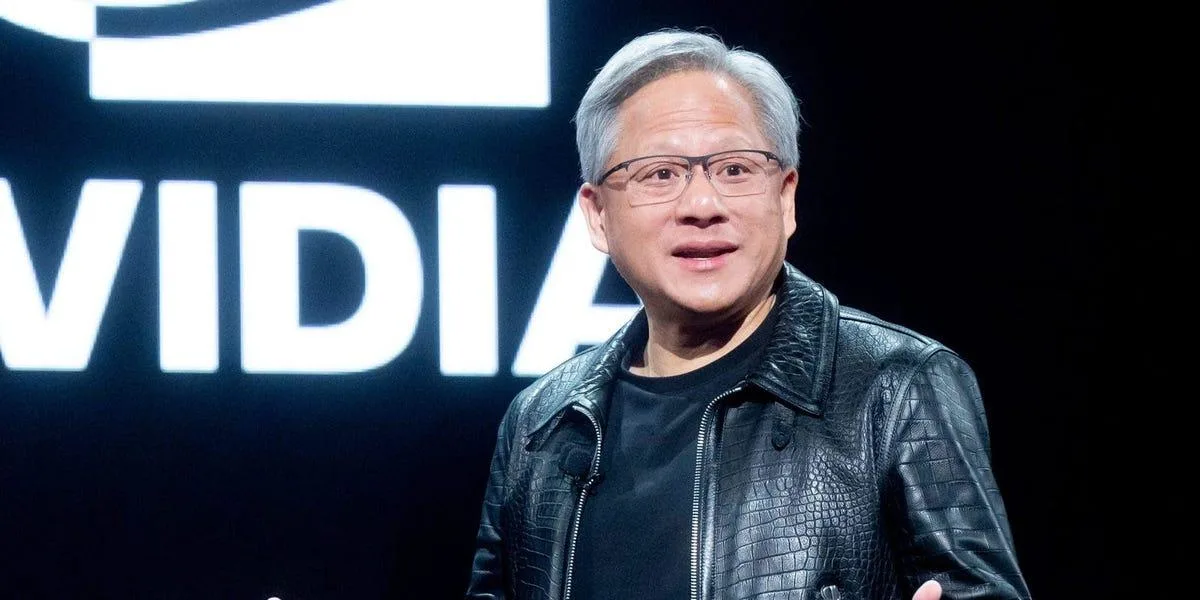
Jensen Huang resigns as NVIDIA CEO
Jensen Huang’s Exit Puts NVIDIA’s Leadership, Market Position and AI Business Under Scrutiny
Jensen Huang’s resignation as NVIDIA’s president and chief executive officer marks a significant leadership change for the company at a time when demand for artificial intelligence infrastructure remains strong. Huang, who co-founded NVIDIA in 1993 and led the company for 33 years, resigned with immediate effect on November 11, 2026. NVIDIA announced the departure on November 12, following the board’s acceptance of his resignation. The company has appointed Chief Financial Officer Colette Kress as interim CEO while it searches for a permanent successor. Harvey C. Jones, a longtime board member, has been appointed chairman of the board.
The resignation followed reports of personal relationships involving Huang, including one with a Chinese businesswoman suspected by US authorities of having links to Chinese intelligence, and another involving an NVIDIA executive. NVIDIA’s board had initiated an investigation into reports that Huang was the target of a foreign intelligence effort. These allegations have also raised questions about the company’s business dealings involving China and the movement of advanced AI chips. However, the espionage allegations have not been established as fact. NVIDIA’s official announcement and regulatory filing did not specify a reason for Huang’s resignation. The circumstances surrounding his departure have therefore attracted considerable attention from investors, policymakers and the technology industry.
The immediate impact was visible in the stock market. NVIDIA shares fell 4.3% on November 12, according to Reuters, while the company’s market value came under substantial pressure. Bloomberg reported that the shares fell as much as 14% during early trading, temporarily erasing approximately $601 billion in market value. The decline reflected investor concerns about the leadership transition, corporate governance and the uncertainty surrounding the company’s future direction. The stock had also been under pressure before the resignation, making it important to distinguish the effects of the leadership crisis from broader market concerns about technology valuations and AI infrastructure spending.
Despite the leadership change, NVIDIA’s existing business operations remain in place. Its graphics processing units, CUDA software ecosystem, networking products and established relationships with major cloud providers continue to support its position in the AI computing market. The company’s board has expressed confidence in Kress and the existing leadership team, stating that operations, customer commitments and the product roadmap are expected to continue without interruption. Kress has served as NVIDIA’s CFO since 2013 and will retain that responsibility while serving as interim CEO. The board is considering both internal and external candidates for the permanent position.

Competition is another important consideration. Advanced Micro Devices and Broadcom recorded gains as NVIDIA shares declined following the announcement. AMD competes in the AI accelerator market, while Broadcom supplies semiconductor and networking technologies, including custom chips designed for large computing operations. Google and Amazon also develop their own AI processors, giving large cloud companies alternatives to NVIDIA hardware for certain workloads. However, NVIDIA retains an established software ecosystem and a substantial installed base, advantages that competitors cannot replace immediately.
The leadership transition also comes amid growing scrutiny of US restrictions on advanced semiconductor exports to China. Reports surrounding the investigation have intensified questions about NVIDIA’s China-related business and the enforcement of export controls. Any further restrictions could affect the company’s access to customers and markets, while also influencing the wider semiconductor industry.
NVIDIA is scheduled to announce its third-quarter fiscal 2027 financial results on November 17, as previously planned. Investors will be watching the company’s revenue performance, management commentary, customer demand and updates on its leadership search. The results will provide an important opportunity for the interim leadership to address concerns about business continuity.
NVIDIA’s technology portfolio and existing customer relationships remain significant strengths. However, the departure of a chief executive who led the company for more than three decades creates questions about long-term strategic continuity, investor confidence and executive succession. The company’s ability to maintain its product development pace, customer partnerships and financial performance under new leadership will be central to how the market assesses its position in the global AI industry.