


Australia-Based Cuttable Empowers E-Commerce Brands With AI-Powered Creative Production
The AI Era Is Changing E-Commerce Creative Production
The economics of e-commerce advertising are increasingly tied to a brand’s ability to produce creative content quickly. A successful campaign may require dozens of variations across formats, audiences, products, platforms, and seasonal events, creating an enormous production burden for marketing teams. Traditional creative workflows can involve photographers, designers, editors, agencies, and multiple rounds of approvals before an advertisement is ready to launch.
Cuttable is attempting to compress much of that process through AI-powered creative production. The Australia-based company is building a platform that brings advertising creation, editing, image and video generation, design, music, and brand strategy into a single workflow. Rather than treating AI as simply another image-generation tool, Cuttable is positioning it as an end-to-end creative engine for e-commerce businesses. The platform is designed around the realities of performance marketing, where brands need to continuously test new concepts and variations rather than rely on a small collection of static advertisements. This is particularly relevant for online retailers because creative fatigue can quickly reduce the effectiveness of an advertisement.
A brand selling fashion, beauty products, home goods, food, jewellery, or other consumer products may need a constant pipeline of new visual assets. Cuttable’s proposition is that AI can dramatically reduce the time and cost required to produce those assets while allowing marketing teams to experiment more frequently. The company’s industry focus spans fashion, beauty and personal care, home and living, food and beverage, baby and kids, jewellery, and health and supplements, giving it a broad target market among consumer brands.
Inside Cuttable’s AI-Powered Creative Engine
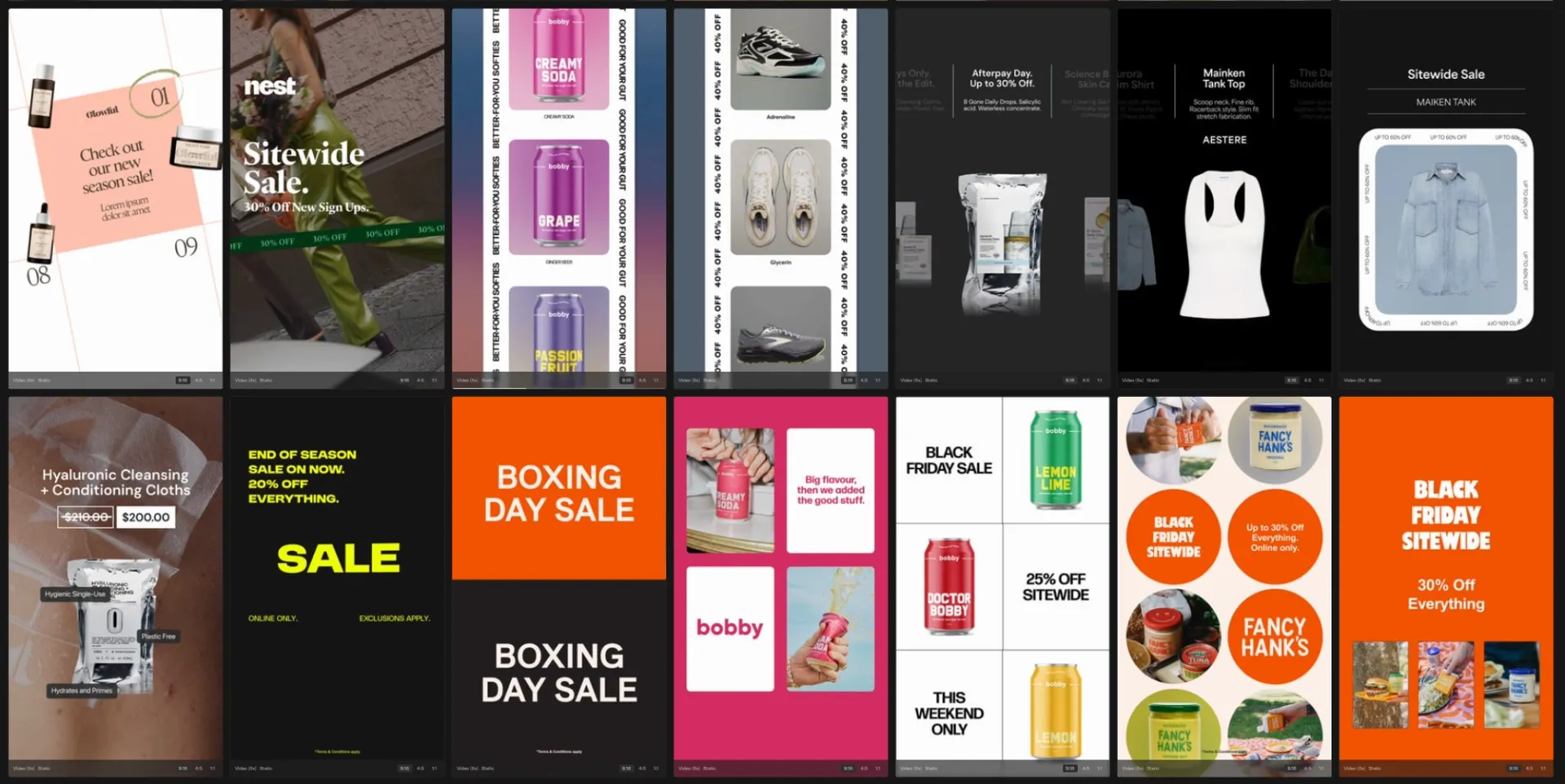
Cuttable’s platform combines multiple creative capabilities rather than focusing on a single generative AI feature. Its advertising tools can help brands create campaign assets, while its AI photo and video creation capabilities are designed to generate visual content without requiring traditional production processes for every asset. The platform also provides ad editing and design capabilities, allowing teams to modify existing creative and produce different versions for different campaigns. Music and audio are included as part of the production workflow, while the company’s brand strategy tools are intended to help ensure generated content remains aligned with a brand’s identity. This combination creates the foundation for what Cuttable describes as a more integrated creative production system.
Instead of moving between separate tools for generating an image, editing a video, creating an advertisement, selecting music, and adapting content for different formats, brands can potentially manage more of the process within one platform. The advantage is not only speed. An integrated workflow can also make it easier to produce large numbers of creative variations and test which concepts perform best. For e-commerce companies, that ability could become particularly valuable during major shopping periods such as Black Friday, when brands need to create large volumes of promotional assets within a limited timeframe.
Cuttable’s platform is designed to support those high-volume campaigns while reducing dependence on traditional production resources. The company’s broader goal is to make creative production more accessible to businesses that may not have large in-house creative teams. AI can handle much of the repetitive production work, while marketers retain control over the strategy, messaging, and final creative direction. This division could allow teams to spend more time deciding what they want to communicate and less time executing every individual asset manually.
Building a Closed-Loop Creative System for E-Commerce
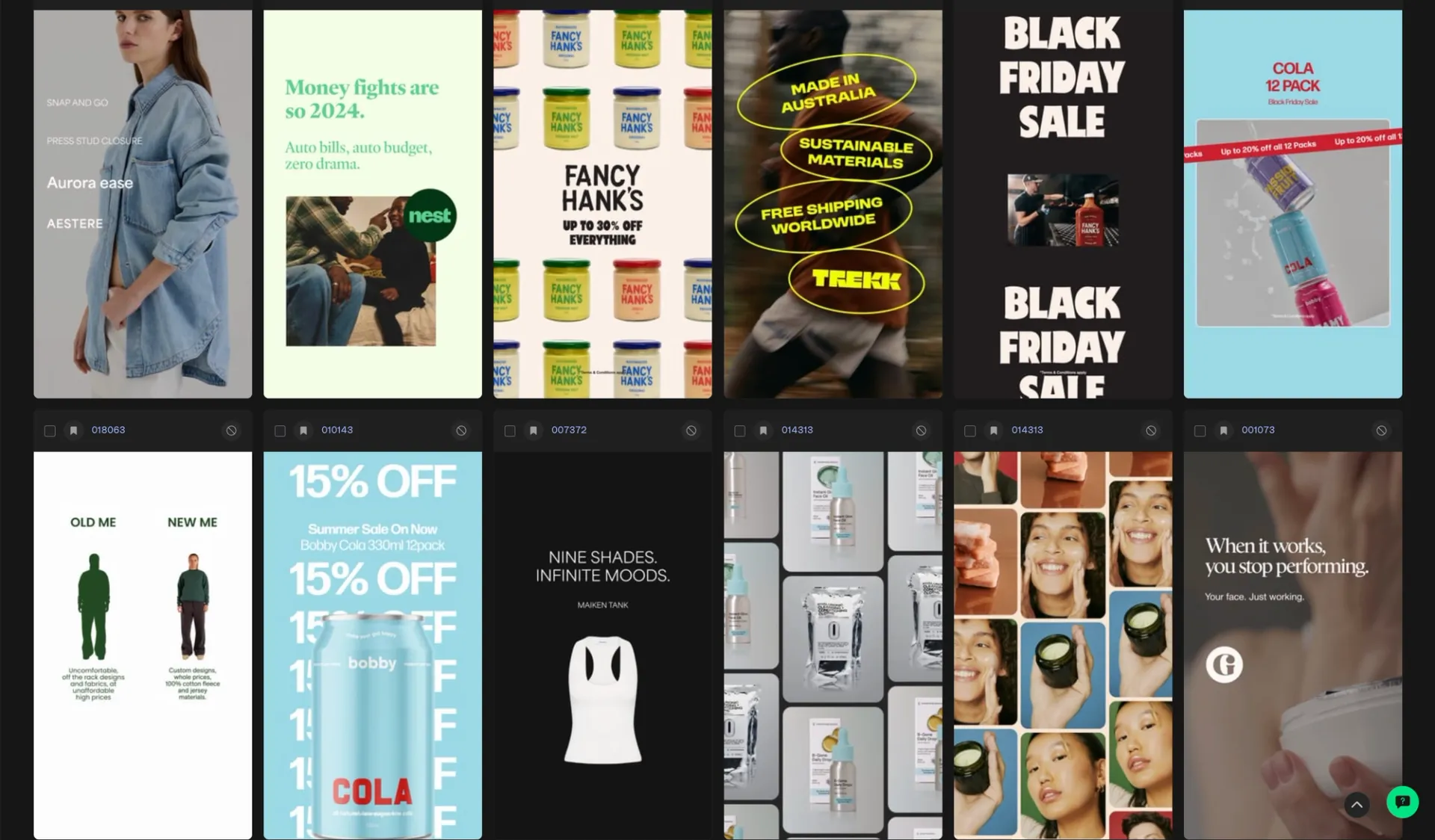
The most interesting opportunity for Cuttable lies beyond simply generating advertisements. The company is attempting to build a closed-loop creative system in which brand strategy, production, experimentation, and iteration become part of one continuous workflow. In traditional e-commerce marketing, these activities are often separated. A brand develops a campaign strategy, a creative team produces advertisements, a marketing team distributes them, and performance data is analyzed later to inform the next campaign. AI could potentially compress these stages into a much faster cycle.
Cuttable’s platform provides the production layer needed to create large numbers of assets, while its brand strategy capabilities can help establish the creative direction from which those assets are generated. The result could be an environment where brands continuously create, test, learn, and produce new variations rather than treating creative campaigns as occasional production projects. This is especially important as advertising platforms become increasingly automated themselves. When targeting and media buying are handled increasingly by algorithms, creative differentiation can become one of the most important areas where brands can compete. The ability to rapidly produce and test high-quality creative could therefore become a strategic advantage. Cuttable’s challenge will be maintaining quality and brand consistency as production scales.
Generating hundreds of advertisements is relatively easy if quality is not the priority. Generating hundreds of advertisements that remain visually compelling, commercially relevant, on-brand, and compliant is much harder. If Cuttable can solve that problem, its platform could become more than an AI design tool. It could become an operating layer for e-commerce creative, allowing brands to turn product information and marketing objectives into a continuous stream of campaign-ready content. As AI reshapes the economics of content production, companies that can connect generation with actual commercial workflows may have the greatest opportunity to transform how e-commerce brands market themselves.